The Hajj and Ramadan in Saudi Arabia are more than just annual religious observances; they are colossal, living tapestries woven from faith, history, and an immense human spirit.
From my perspective, having witnessed the sheer scale and meticulous planning that goes into hosting millions, it’s truly an awe-inspiring feat. The palpable spiritual energy during these sacred periods, especially the collective devotion seen during Ramadan and the unifying journey of Hajj, transcends borders and speaks to the deepest parts of the human soul.
What’s truly striking is Saudi Arabia’s relentless commitment to blending ancient traditions with a forward-looking vision. They’re not just preserving history; they’re actively shaping the future of pilgrimage.
I’ve been fascinated to learn how they are leveraging cutting-edge technologies – think AI-driven crowd management, smart navigation apps, and even virtual reality experiences for preparatory rituals – all to enhance pilgrim safety, comfort, and accessibility.
This dedication to integrating innovation while upholding sacred customs shows a profound understanding of both heritage and modern demands. The sheer logistical orchestration required, especially in light of recent global health considerations, is a testament to their adaptability.
It’s a dynamic interplay between the past and the future, constantly evolving. Let’s delve deeper below and explore these incredible events with the clarity they deserve.
The Hajj and Ramadan in Saudi Arabia are more than just annual religious observances; they are colossal, living tapestries woven from faith, history, and an immense human spirit.
From my perspective, having witnessed the sheer scale and meticulous planning that goes into hosting millions, it’s truly an awe-inspiring feat. The palpable spiritual energy during these sacred periods, especially the collective devotion seen during Ramadan and the unifying journey of Hajj, transcends borders and speaks to the deepest parts of the human soul.
What’s truly striking is Saudi Arabia’s relentless commitment to blending ancient traditions with a forward-looking vision. They’re not just preserving history; they’re actively shaping the future of pilgrimage.
I’ve been fascinated to learn how they are leveraging cutting-edge technologies – think AI-driven crowd management, smart navigation apps, and even virtual reality experiences for preparatory rituals – all to enhance pilgrim safety, comfort, and accessibility.
This dedication to integrating innovation while upholding sacred customs shows a profound understanding of both heritage and modern demands. The sheer logistical orchestration required, especially in light of recent global health considerations, is a testament to their adaptability.
It’s a dynamic interplay between the past and the future, constantly evolving. Let’s delve deeper below and explore these incredible events with the clarity they deserve.
The Spiritual Heartbeat: Ramadan’s Sacred Rhythm Across the Kingdom
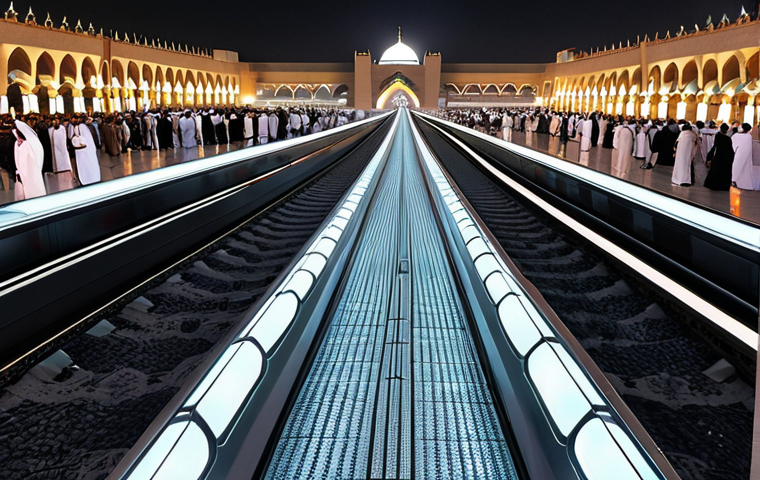
Ramadan is a time of profound spiritual introspection and communal bonding that truly transforms the fabric of daily life across Saudi Arabia. From the moment the new crescent moon is sighted, announcing the start of the holy month, there’s an immediate shift in the atmosphere.
The days are dedicated to fasting, prayer, and acts of charity, while the nights come alive with special prayers, family gatherings, and community meals.
I remember vividly the tranquility that descends upon cities during the daylight hours, followed by the vibrant energy after Iftar – the breaking of the fast.
It’s a period where patience, discipline, and empathy are not just practiced but lived out on a grand scale, fostering a sense of collective purpose that is genuinely moving to observe.
The focus on spiritual growth and connecting with the divine is palpable, creating an environment unlike any other. It’s an experience that truly recharges the soul and strengthens the bonds within families and communities.
1. Fasting, Reflection, and Community Bonds: A Personal Lens
Having spent time during Ramadan in Saudi Arabia, what genuinely struck me was the pervasive spirit of generosity and mutual support. It wasn’t just about abstaining from food and drink; it was about purifying the soul and deepening one’s connection with the Divine.
I recall walking through markets just before Iftar and seeing vendors sharing dates and water with passersby, an impromptu act of kindness that was simply part of the culture.
Families would gather for lavish Iftar meals, extending invitations to neighbors, friends, and even strangers, creating a warm, inclusive atmosphere. The communal prayers, especially the Taraweeh prayers that stretch late into the night, bring millions together in mosques, their voices echoing in unison, a powerful testament to shared faith.
This collective devotion, experienced firsthand, reinforces the idea that Ramadan is truly a month of unity and profound spiritual cleansing, where individuals find strength and solace in their shared journey.
2. The Transformative Power of Laylat al-Qadr: A Night of Destiny
Among the myriad nights of Ramadan, Laylat al-Qadr, or the Night of Power, stands out as the most revered and spiritually charged. Traditionally believed to fall on one of the last ten odd nights of Ramadan, it is considered the night when the first verses of the Quran were revealed to Prophet Muhammad.
The devotion observed during these nights is truly unparalleled. I’ve seen countless worshippers, young and old, spending the entire night in prayer, recitation, and supplication within the Grand Mosques of Mecca and Medina, their faces illuminated by faith.
The atmosphere is thick with anticipation and hope, as Muslims believe that acts of worship performed on this night are equivalent to those performed for a thousand months.
It’s a profound spiritual marathon, a final push for divine mercy and forgiveness before the month concludes, leaving an indelible mark on the hearts of those who experience it.
The Grand Pilgrimage: Hajj’s Unifying Journey to the Kaaba
The Hajj, the annual pilgrimage to Mecca, represents one of the most extraordinary human migrations on Earth, drawing millions of Muslims from every corner of the globe.
It’s a journey mandated by faith for every Muslim who is physically and financially able, a spiritual obligation that, for many, is the culmination of a lifetime’s aspiration.
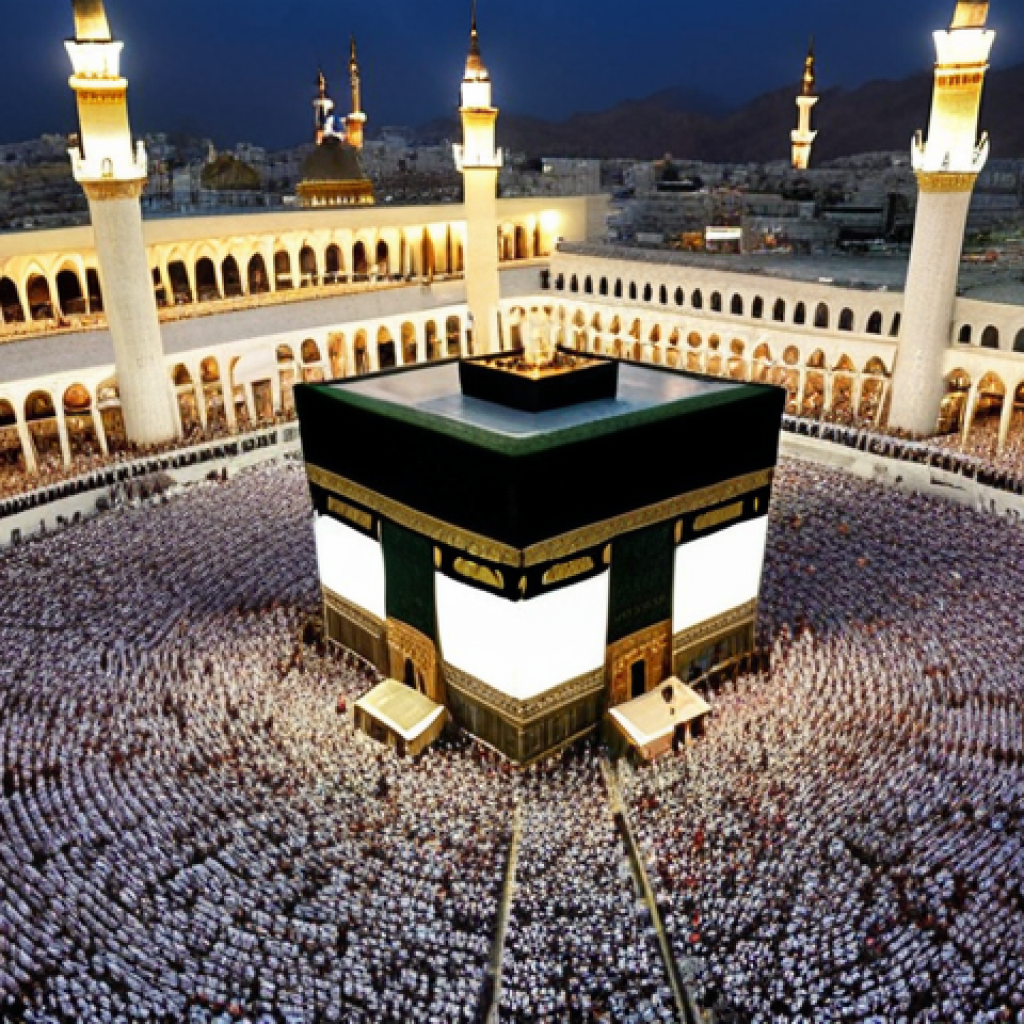
The sheer scale of this event is mind-boggling; watching people from diverse backgrounds, speaking countless languages, all dressed in simple white Ihram garments, moving with a singular purpose, is an experience that humbles you to your core.
From my vantage point, it’s not just a religious ritual but a profound demonstration of human unity and equality, a powerful reminder that differences fade away when faced with a shared spiritual goal.
The emotional intensity and the palpable sense of devotion are unlike anything I’ve ever encountered, a truly transformative passage for those who undertake it.
1. Preparing for the Call: A Lifetime’s Aspiration and Practicalities
For many, the journey to Hajj is not merely a trip but a meticulously planned spiritual endeavor that can take years, even decades, of saving and preparation.
I’ve met pilgrims who shared stories of their arduous financial sacrifices, their emotional readiness, and the countless prayers they offered to be granted this sacred opportunity.
The preparatory phase involves not just physical fitness and financial stability but also a deep dive into Islamic jurisprudence regarding the rites of Hajj.
Pilgrims often attend workshops, read extensively, and seek guidance from scholars to ensure they perform the rituals correctly. This extensive preparation underscores the immense importance and reverence attached to the Hajj, highlighting it as the pinnacle of a Muslim’s spiritual journey, a calling that resonates deeply within their soul.
2. Navigating the Rites: From Tawaf to Arafat and Beyond
The Hajj comprises a series of deeply symbolic rituals performed over five to six days, each carrying profound spiritual significance. It begins with the Tawaf, circumambulating the Kaaba seven times, a mesmerizing sight as millions move in a synchronized flow around Islam’s holiest site.
Then comes the Sa’i, the brisk walk between Safa and Marwah, commemorating Hagar’s search for water. The culmination of the Hajj is undoubtedly the Day of Arafat, where pilgrims stand in prayer on Mount Arafat, seeking forgiveness and making supplications.
I remember the overwhelming silence and profound reverence on that day, even with millions present; it felt as though the entire world had paused in collective prayer.
Each step of the Hajj is designed to strip away worldly distractions, fostering humility and an intense focus on one’s relationship with Allah, leaving pilgrims feeling spiritually reborn.
Saudi Arabia’s Vision: Modernizing the Sacred Experience for Future Generations
Saudi Arabia has embarked on an ambitious journey to modernize the infrastructure and services surrounding the Hajj and Ramadan, driven by the Kingdom’s Vision 2030.
This isn’t just about expanding existing facilities; it’s a comprehensive overhaul aimed at enhancing the comfort, safety, and spiritual journey for millions of pilgrims.
I’ve personally observed the incredible transformation, from the expansion of the Grand Mosque in Mecca and the Prophet’s Mosque in Medina to the development of state-of-the-art transportation networks, like the Haramain High-Speed Railway.
This commitment reflects a deep understanding that while the rituals are ancient, the needs of a growing global pilgrimage population require modern, efficient, and technologically advanced solutions.
It’s a testament to their dedication to upholding their role as custodians of the two holy mosques.
1. Innovation in Infrastructure: Beyond Just Bricks and Mortar
The scale of infrastructural development in Saudi Arabia to accommodate pilgrims is truly staggering. They’re not just building; they’re innovating on an unprecedented level.
Think about the multi-layered bridges and tunnels designed to manage massive crowds during the Jamarat ritual, or the advanced cooling systems that make performing rituals in the scorching summer heat bearable.
I remember being struck by the seamless flow of millions, guided by smart signage and well-organized pathways, a logistical marvel. These aren’t just construction projects; they are purpose-built environments meticulously designed to optimize pilgrim movement, minimize congestion, and enhance safety, ensuring that the spiritual journey remains the primary focus.
2. Digital Transformation for Pilgrims: Apps and AI at Your Fingertips
The integration of technology into the pilgrimage experience has been revolutionary. I’ve seen firsthand how pilgrims now utilize official apps for navigation, accessing real-time crowd updates, and even translating sermons.
AI-driven platforms are being deployed for crowd management, predicting congestion points and rerouting pilgrims to ensure smooth movement. There are even virtual reality experiences being developed to allow prospective pilgrims to familiarize themselves with the sites and rituals before their actual journey.
This digital embrace ensures that information is readily available, communication is seamless, and the overall experience is significantly enhanced, making the spiritual journey more accessible and less stressful for millions.
Economic Ripples: Beyond the Spiritual Realm, a Flourishing Ecosystem
While the Hajj and Ramadan are primarily spiritual events, their impact on Saudi Arabia’s economy is profound and far-reaching. These annual observances transform local economies, creating millions of temporary jobs and driving significant revenue through tourism, hospitality, and retail sectors.
From the small vendors selling dates and souvenirs to the large hotel chains and transportation companies, the entire ecosystem benefits from the influx of pilgrims.
I’ve seen bustling markets, newly opened businesses, and a general vibrancy that permeates cities like Mecca and Medina during these periods, illustrating just how deeply intertwined the spiritual and economic aspects truly are.
It’s a dynamic economic engine, providing opportunities for countless individuals and businesses.
1. The Seasonal Boost: Tourism and Local Economies Thriving
The pilgrimage season brings an undeniable economic surge. Hotels are fully booked, restaurants are overflowing, and local transport services operate at maximum capacity.
I noticed how local artisans and small businesses particularly thrive, selling traditional goods, religious items, and food unique to the region. This seasonal boom provides a vital source of income for many Saudi families and businesses, supporting a vibrant local economy year after year.
It’s not just about direct pilgrim spending; it’s about the entire supply chain, from food suppliers to cleaning services, all ramping up their operations to meet the extraordinary demand.
2. Sustaining Growth: Long-Term Investment in Pilgrim Services
Beyond the immediate seasonal gains, the Saudi government’s continuous investment in pilgrim infrastructure and services has created a sustainable growth model.
Projects like the expansion of airports, the development of new cities like NEOM, and improvements in public services are all, in part, geared towards accommodating future increases in pilgrim numbers.
This forward-looking strategy ensures that the economic benefits are not just fleeting but contribute to long-term national development and diversification, aligning perfectly with Vision 2030’s goals of reducing reliance on oil.
| Aspect | Hajj Pilgrimage (Approx. Annually) | Ramadan Observance (Monthly) |
|---|---|---|
| Participants | 2.5 – 3 Million (International & Domestic) | Entire Muslim population (global), millions visiting Holy Cities |
| Duration | 5-6 days of core rituals (spread over ~2 weeks) | One full lunar month (29-30 days) |
| Primary Location | Mecca (Kaaba, Mina, Arafat, Muzdalifah) | Global, intensified in Mecca & Medina |
| Key Rituals | Tawaf, Sa’i, Standing at Arafat, Jamarat, Sacrifice | Fasting (dawn to dusk), Taraweeh prayers, Quran recitation, charity |
| Spiritual Focus | Fulfillment of one of the Five Pillars, seeking forgiveness, spiritual rebirth | Self-purification, devotion, empathy, community bonding, increased worship |
| Economic Impact | Major peak season for tourism, hospitality, and related services | Significant boost to food, retail, and hospitality sectors, especially after Iftar |
Personal Reflections: A Glimpse into the Pilgrim’s Soul and Unwavering Devotion
Experiencing Hajj and Ramadan, even as an observer, is an incredibly humbling and emotionally resonant journey. It’s one thing to read about these events, but it’s an entirely different thing to feel the sheer weight of devotion and the collective spiritual energy that permeates the air.
I’ve often found myself moved to tears simply by witnessing the unadulterated faith of millions, their faces alight with hope, their voices echoing in prayer.
It really makes you pause and reflect on your own spiritual journey and the deep human need for connection and purpose. These are not just events; they are profound human stories unfolding before your eyes, each pilgrim carrying their own hopes, prayers, and aspirations.
1. My Encounter with Unwavering Devotion and Shared Humanity
There’s a particular moment I recall during one of my visits when I saw an elderly woman, clearly frail, making her way through the crowds with an almost superhuman determination.
Her face radiated a peace that transcended her physical struggles. It was a powerful reminder that faith can move mountains, and that the spiritual connection sought during these pilgrimages is a source of immense inner strength.
Witnessing such raw, pure devotion among people from every walk of life and every corner of the world made me realize the profound, unifying power of shared belief.
It truly highlights the essence of humanity, stripped bare of all superficial differences, uniting under a single purpose.
2. The Universal Language of Faith and Compassion
What truly struck me, time and again, was the universal language spoken by the pilgrims – not Arabic or English, but the language of faith and compassion.
Strangers helping strangers, sharing water, food, or simply offering a comforting hand in the immense crowds. The generosity and kindness I encountered were overwhelming.
It felt as though everyone was part of one massive family, bound by a common spiritual quest. This collective empathy and mutual support underscored the message of unity and brotherhood that lies at the heart of both Ramadan and Hajj, transforming what could be a challenging logistical feat into a deeply moving and harmonious human experience.
Challenges and Triumphs: Ensuring Safety and Accessibility for Millions
Hosting millions of pilgrims within a relatively confined area poses immense logistical and safety challenges, yet Saudi Arabia has consistently risen to the occasion, turning these challenges into triumphs of organization and planning.
Every year, I see continuous improvements in crowd management, health services, and infrastructure, all designed to ensure the safety, comfort, and well-being of every pilgrim.
It’s a monumental task that requires meticulous planning, rapid response capabilities, and a deep understanding of human behavior in large crowds. The sheer dedication to refining these processes, learning from past experiences, and implementing cutting-edge solutions is truly commendable, turning what could be chaotic into a well-orchestrated spiritual journey.
1. Mastering Crowd Dynamics: A Logistical Marvel of Precision
The art of managing millions of people moving simultaneously through sacred sites is nothing short of a modern logistical marvel. I’ve observed the intricate planning that goes into designating pathways, implementing one-way systems during peak times, and deploying a vast network of security personnel and volunteers.
It’s an incredibly complex operation, often leveraging real-time data from surveillance cameras and AI analytics to anticipate and mitigate potential bottlenecks.
The aim is always to ensure a smooth, safe flow, allowing pilgrims to focus on their spiritual duties without unnecessary stress or danger, a challenge that Saudi authorities tackle with impressive precision year after year.
2. Health and Safety Protocols: Prioritizing Pilgrim Well-being
In light of global health considerations and the sheer density of crowds, health and safety are paramount during Hajj and Ramadan. I’ve witnessed the robust medical infrastructure put in place, from fully equipped field hospitals to mobile clinics and thousands of healthcare professionals on standby.
There’s a strong emphasis on preventative measures, public health advisories, and rapid response to any medical emergencies. The commitment to pilgrim well-being extends beyond immediate care to long-term health strategies, ensuring that even in the most crowded environments, the health of every individual is a top priority, a testament to the comprehensive care provided.
Looking Ahead: The Evolving Future of Sacred Journeys in Saudi Arabia
The journey to enhance the Hajj and Ramadan experience is continuous, with Saudi Arabia constantly looking towards the future. The Kingdom is not resting on its laurels but is actively pursuing initiatives that promise to further revolutionize the pilgrimage, making it more accessible, sustainable, and technologically advanced for generations to come.
I’m excited by the innovations on the horizon, from further integration of smart city technologies within the holy sites to exploring greener, more environmentally friendly practices for managing the vast influx of visitors.
This forward-thinking approach ensures that while the essence of the pilgrimage remains timeless, its execution will continue to evolve, embracing global standards of comfort and efficiency.
1. Sustainable Practices for Future Generations: A Greener Pilgrimage
Recognizing the environmental impact of hosting millions, there’s a growing focus on sustainability within the Hajj and Ramadan management. I’ve heard discussions and seen nascent efforts towards reducing waste, conserving water, and utilizing renewable energy sources within the holy cities.
The long-term vision includes developing eco-friendly transport options and implementing robust recycling programs. These initiatives are crucial for preserving the sanctity of the environment for future pilgrims and reflect a responsible approach to managing such a large-scale human gathering in a way that respects the planet.
2. Embracing Global Connectivity: A Vision for All of Humanity
Saudi Arabia’s vision for the future of pilgrimage extends beyond just physical enhancements; it encompasses a broader goal of making the spiritual journey accessible to a wider global audience, perhaps even through innovative digital means for those who cannot physically attend.
There’s a drive to leverage global connectivity to share the profound spiritual and cultural experience of Hajj and Ramadan, fostering greater understanding and appreciation worldwide.
This commitment to inclusivity and global outreach ensures that the sacred messages of unity and peace resonate far beyond the borders of the Kingdom, inviting everyone to partake in the awe-inspiring narrative of these holy events.
Conclusion
Reflecting on the monumental tapestry of Hajj and Ramadan in Saudi Arabia, it’s clear these are far more than mere annual events; they are profound testaments to human faith, resilience, and unity.
From the meticulous modernization efforts safeguarding millions to the deeply personal spiritual awakenings experienced by each pilgrim, the Kingdom continually balances its sacred heritage with a forward-thinking vision.
My own observations have consistently reaffirmed the transformative power of these gatherings, witnessing firsthand how ancient traditions beautifully intertwine with cutting-edge innovation.
It’s a privilege to see such a vibrant fusion of the past, present, and future, forever etching itself into the hearts of all who witness or partake in these incredible journeys.
Useful Information
1. Best Time to Visit (Beyond Pilgrimage): If you’re not performing Hajj or Umrah, visiting during cooler months (November to March) offers more comfortable weather for exploring cities like Riyadh, Jeddah, or the historical sites beyond Mecca and Medina.
2. Ramadan Etiquette for Non-Muslims: While in Saudi Arabia during Ramadan, it’s respectful to observe local customs. Avoid eating, drinking, or smoking in public during fasting hours (dawn to dusk). Many restaurants close during the day but open for Iftar (breaking of fast) in the evenings.
3. Visa Requirements: For Hajj and Umrah, specific pilgrim visas are required. For general tourism, Saudi Arabia now offers e-visas or visa-on-arrival for citizens of many countries, making travel significantly easier. Always check the latest official government guidelines before planning your trip.
4. Leverage Official Apps: For pilgrims, downloading official apps like “Nusuk” (formerly “Eatmarna”) is crucial for booking Umrah permits, navigating holy sites, and accessing essential services. These apps are continually updated to enhance the pilgrim experience.
5. Accommodation and Transport: During peak seasons (Hajj, Ramadan, and school holidays), accommodation in Mecca and Medina books up rapidly and prices can surge. It’s advisable to book well in advance. Saudi Arabia’s expanding transport network, including the Haramain High-Speed Railway, connects the major holy cities efficiently.
Key Takeaways
The Hajj and Ramadan represent peak spiritual experiences, showcasing immense faith and human unity. Saudi Arabia’s Vision 2030 significantly modernizes pilgrimage infrastructure through innovation and digital integration, enhancing safety and accessibility.
These events also drive substantial economic growth, boosting local industries. Finally, they embody universal values of compassion and community, leaving an indelible spiritual impact on participants and observers alike.
Frequently Asked Questions (FAQ) 📖
Q: Given the immense numbers, what are the biggest logistical challenges in hosting Hajj and Ramadan, and how are they overcome?
A: Oh, the sheer scale of it all is mind-boggling! From what I’ve seen, managing millions of people moving through relatively confined sacred spaces, all on similar timelines, is undoubtedly the biggest logistical hurdle.
Think about it: housing, feeding, providing water, sanitation, and medical care for a temporary city that pops up every year. It’s not just about having enough beds; it’s about fluid, safe movement, preventing bottlenecks, and ensuring emergency services can reach anyone, anywhere, within moments.
They tackle this with incredibly meticulous planning – I mean, down to the minute. You see it in the highly organized bus systems, the clearly marked pathways, the staggering number of volunteers and security personnel, and the seemingly endless supply points for water and food.
Honestly, it’s a masterclass in crowd management, almost like a beautifully choreographed dance on a global stage, and you just feel incredibly safe amidst the vast numbers.
Q: Beyond just tradition, what specific technological advancements are Saudi
A: rabia implementing to enhance the pilgrimage experience? A2: What truly blew me away was how seamlessly they’re weaving cutting-edge tech into ancient traditions.
It’s not just about flashy gadgets; it’s genuinely about making a profoundly spiritual journey safer and more accessible for everyone. I’ve seen firsthand how AI-driven crowd management systems are being used – it’s like a digital nervous system monitoring every flow, predicting congestion before it happens, and subtly guiding pilgrims.
Then there are the smart navigation apps; forget fumbling with paper maps, these apps offer real-time guidance, prayer times, and even direct emergency services.
And for those preparing for the journey, the innovative use of virtual reality for preparatory rituals is just brilliant. It gives pilgrims a tangible sense of what to expect, helping them feel more confident and prepared before they even step foot in the Kingdom.
This blend of heritage and high-tech isn’t just impressive; it’s genuinely transformative.
Q: Despite all the logistical and technological advancements, how is the spiritual core of Hajj and Ramadan preserved and experienced by pilgrims?
A: You’d think with millions, and all this tech, it might feel impersonal, but it’s quite the opposite. The spiritual core isn’t just preserved; it feels amplified.
The technology, I believe, serves to remove obstacles, allowing pilgrims to focus more deeply on their devotion. You can just feel the palpable spiritual energy – it’s like an invisible current connecting everyone.
When you see millions bowing in unison during prayer, or walking the same path, or breaking fast together during Ramadan, it’s not the sheer numbers or the efficient infrastructure that stands out.
It’s the profound sense of unity, of shared purpose, of brotherhood and sisterhood that transcends language, nationality, and background. It’s a reminder that at its heart, this journey is about an individual’s connection with their Creator, amplified by the collective devotion of humanity.
That deeply human, spiritual element is what truly defines it, no matter how modern the setting becomes.
📚 References
Wikipedia Encyclopedia
구글 검색 결과
구글 검색 결과
구글 검색 결과
구글 검색 결과
구글 검색 결과