7 Surprising Ways Saudi Arabia and the UAE Are More Different Than You Think

webmaster

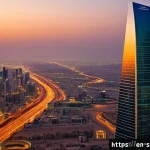
사우디아라비아와 UAE의 차이점 - Visionary Urban Oasis: A Glimpse into Future Economies**
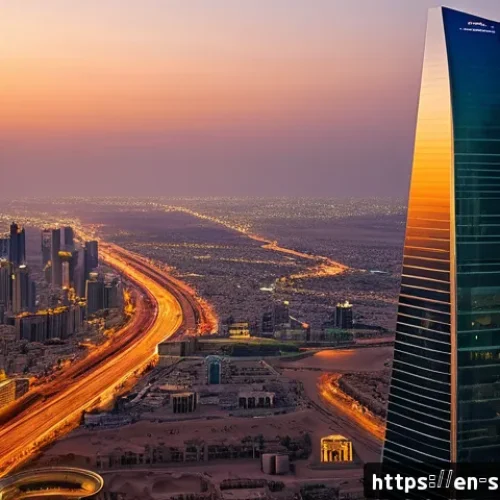
Prompt: A futuristic, sprawling cityscape a...

Ever found yourself lumping Saudi Arabia and the UAE into the same ‘Middle East’ bucket? I know I used to, before truly diving into the region. It’s so easy to picture sand dunes, oil wealth, and dazzling skylines and think they’re two sides of the same coin.

But let me tell you, as someone who’s personally navigated their vibrant streets and soaked in their unique atmospheres, these two Gulf powerhouses are fascinatingly distinct, each carving out its own remarkable path on the global stage.

While both are undergoing incredible transformations and embracing ambitious future visions, their cultural tapestries, economic engines, and social landscapes couldn’t be more different.

From the bustling, cosmopolitan energy of Dubai to the deep-rooted traditions and monumental projects springing up in Riyadh, understanding these nuances isn’t just interesting – it’s crucial for anyone looking to truly grasp the dynamism of this part of the world.

My experience tells me that while the UAE has long championed a globalized, diversified economy, Saudi Arabia is now rapidly accelerating its own Vision 2030, introducing a whole new level of excitement and competition, making the region more vibrant than ever.

It’s a tale of two nations, both pushing boundaries, yet in their own uniquely captivating ways. Let’s unravel their differences together.

Economic Evolution: Beyond Oil’s Horizon

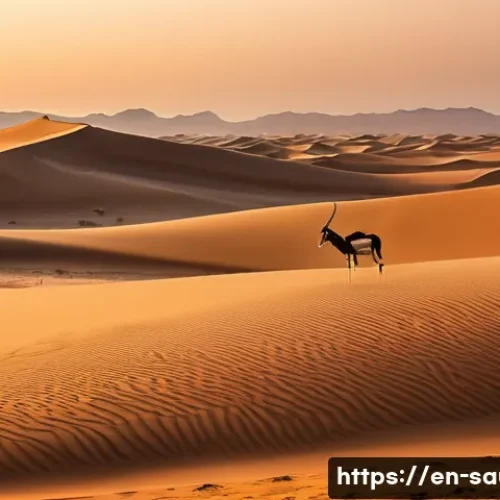
사우디아라비아와 UAE의 차이점 - Visionary Urban Oasis: A Glimpse into Future Economies**
Prompt: A futuristic, sprawling cityscape a...

Diversifying the Investment Landscape

For years, the Middle East was synonymous with oil, and rightly so. Both Saudi Arabia and the UAE built their immense wealth on the back of black gold.

However, as someone who’s been watching this region closely, and even invested in a few ventures there, I can tell you the narrative has shifted dramatically.

While the UAE, particularly Dubai, began its aggressive diversification journey decades ago, establishing itself as a global trade and tourism hub, Saudi Arabia is now playing catch-up with an intensity that’s genuinely breathtaking.

I recall visiting Dubai years ago and being struck by its sheer audacity – a desert city transformed into a dazzling international metropolis, driven by free zones, world-class logistics, and a vibrant real estate market.

They really leaned into making it easy for global businesses to set up shop, and it paid off massively. Their commitment to sectors like finance, logistics, and renewable energy wasn’t just talk; it was backed by tangible infrastructure and policies that drew in talent and capital from every corner of the globe.

Future-Proofing Through Visionary Projects

On the other hand, Saudi Arabia’s Vision 2030 isn’t just a plan; it’s a complete re-imagining of an entire nation’s economic future. When I first heard about NEOM, The Red Sea Project, and Qiddiya, my initial thought was, “Can they really pull this off?” But witnessing the progress firsthand, and speaking with people involved, you start to understand the sheer scale of ambition and the unwavering commitment behind it.

The Kingdom is investing trillions into these giga-projects, aiming to create entirely new economic sectors from scratch, from advanced manufacturing and tourism to cutting-edge technology and entertainment.

It’s not just about building cities; it’s about fostering an entirely new way of life and attracting a diverse global workforce and tourist base. This isn’t a gradual shift; it’s a high-speed transformation, and it feels like every other week there’s a new announcement that makes you sit up and take notice.

The sheer potential for new businesses and opportunities there is incredible, and frankly, quite exhilarating for anyone looking to be part of the next big thing.

Cultural Canvas: Traditions Meet Modernity

Embracing Global Influences and Local Heritage

Stepping into Saudi Arabia versus the UAE, I immediately felt a distinct difference in their cultural atmospheres, despite their shared Islamic heritage.

The UAE, especially cities like Dubai and Abu Dhabi, has long cultivated an incredibly diverse, cosmopolitan vibe. When I lived there for a bit, it was common to hear a dozen different languages spoken on a single metro ride, and the culinary scene was a testament to its global population.

This openness has allowed for a fascinating blend of local Emirati traditions with influences from all over the world. You’d see traditional dress alongside high fashion, and ancient souks bustling next to ultra-modern shopping malls.

It really struck me how seamlessly they integrated global citizens into their social fabric, while still holding onto their rich Bedouin roots and Islamic values.

The cultural calendar is packed with international events, from film festivals to art expos, making it a truly global crossroads. It’s a place where you can feel connected to the world while still experiencing a strong sense of local identity.

Navigating Social Reforms and Identity

Saudi Arabia, traditionally more conservative, is currently undergoing a profound cultural evolution that I find incredibly compelling to observe. For years, it was a closed society, but Vision 2030 has ushered in a remarkable era of social reforms.

When I first visited Riyadh a few years ago, I was captivated by the deep-seated traditions, the vibrant prayer calls echoing through the streets, and the palpable sense of history.

Now, seeing women drive, the introduction of cinemas, and the flourishing entertainment scene, it feels like a nation rediscovering parts of itself that were dormant.

The challenge, and what makes it so interesting, is how Saudi Arabia is meticulously balancing its rich cultural identity and Islamic values with this rapid push towards modernity and openness.

They are crafting a unique path, inviting the world in, but on their own terms, rooted deeply in their heritage. This isn’t just about adopting Western trends; it’s about innovating within their own cultural context, creating something distinctly Saudi yet globally appealing.

It’s a delicate dance, but one they seem determined to master.

Advertisement

Tourism’s Grand Ambition: Crafting Unique Destinations

The Allure of Cosmopolitan Gateways

When you think of tourism in the Middle East, the UAE often comes to mind first, right? And for good reason. Dubai, in particular, has mastered the art of attracting global visitors with its iconic skyline, luxury shopping, incredible dining experiences, and theme parks.

I remember my first trip there, marveling at the Burj Khalifa, the Palm Jumeirah, and feeling like I was in a futuristic playground. Abu Dhabi, too, has carved out its niche with cultural gems like the Louvre Abu Dhabi and the stunning Sheikh Zayed Grand Mosque, balancing glitz with profound cultural experiences.

Their strategy has been clear: build world-class infrastructure, create unique attractions, and market themselves as accessible, safe, and luxurious destinations.

It’s a tried-and-true formula that has consistently drawn millions of tourists year after year, establishing the UAE as a premier global leisure and business travel hub.

They truly understand what modern travelers are looking for, and they deliver it with unparalleled efficiency and glamour.

Venturing into Untapped Wonders

Saudi Arabia, on the other hand, is approaching tourism with a fresh slate, aiming to unveil entirely new facets of the Middle East to the world. Their ambition isn’t just to compete; it’s to create entirely new categories of tourism.

Projects like The Red Sea Project promise ultra-luxury, regenerative tourism along pristine coastlines, while AlUla offers an unparalleled journey into ancient history and breathtaking natural landscapes.

I had the privilege of exploring AlUla recently, and it felt like stepping back in time, wandering through ancient Nabataean tombs and stunning rock formations – an experience truly unlike anywhere else.

The Kingdom is leveraging its vast, untouched natural beauty and deep historical roots, rather than just building from scratch. This focus on authenticity, eco-tourism, and cultural immersion offers a distinct alternative to the UAE’s established cosmopolitan appeal.

They’re inviting travelers to discover a different kind of luxury and adventure, one steeped in heritage and awe-inspiring natural beauty, and I’m genuinely excited to see how these ambitious projects unfold and captivate global audiences.

Innovation Hubs: Nurturing Future Industries

Pioneering a Digital Future

The UAE has long been a frontrunner in fostering innovation, particularly in the tech and digital sectors. Dubai, with its numerous free zones and business-friendly regulations, has attracted countless startups and global tech giants over the past two decades.

I’ve personally seen the vibrant entrepreneurial ecosystem thrive there, driven by government initiatives that support AI, blockchain, and smart city technologies.

It’s not just about welcoming established companies; it’s about nurturing local talent and creating an environment where new ideas can flourish. The government’s proactive approach to adopting cutting-edge technologies, from self-driving vehicles to advanced healthcare solutions, has made it a living laboratory for future urban development.

Their focus on creating a digital economy and a knowledge-based society has been relentless, positioning them as a truly progressive nation that is always looking ahead to the next big technological leap.

Accelerating Towards a Tech Renaissance

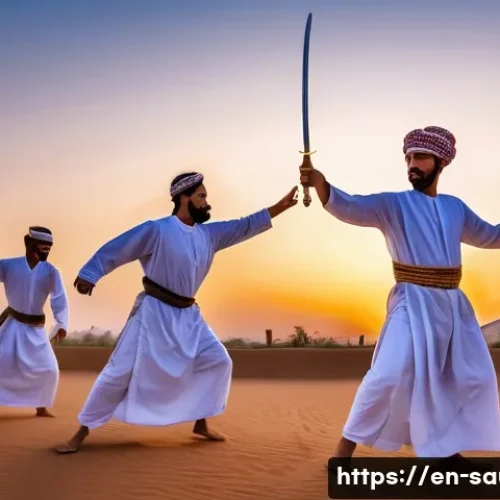
사우디아라비아와 UAE의 차이점 - Cultural Crossroads: Tradition Meets Modernity**
Prompt: A dynamic street scene in a modern Middle E...

Saudi Arabia, while a newer entrant to the global tech scene, is making monumental strides with an incredible pace and scale. Vision 2030 places a massive emphasis on building a robust innovation ecosystem, attracting foreign direct investment in technology, and cultivating local talent.

Projects like NEOM are designed to be living laboratories for future technologies, from AI and robotics to sustainable energy and urban design. I’ve heard fascinating discussions about how they’re integrating advanced analytics into urban planning and deploying cutting-edge sustainable solutions on a scale previously unimaginable.

The Kingdom isn’t just adopting existing technologies; it’s aiming to be a global leader in developing and deploying them, especially in areas like green tech and smart infrastructure.

There’s a palpable sense of urgency and ambition to not just catch up, but to leapfrog, creating entirely new industries and job opportunities for its young and digitally savvy population.

Category United Arab Emirates (UAE) Saudi Arabia
Primary Diversification Focus Tourism, Trade, Finance, Logistics, Real Estate, Renewables Giga-projects (NEOM, Red Sea), Tourism, Entertainment, Advanced Industries
Cultural Openness (Historical) Early adopter of diverse, expatriate-friendly policies More conservative, now undergoing rapid social liberalization
Tourism Strategy Established luxury, cosmopolitan, and business travel destination Developing new segments: heritage, eco-tourism, mega-resorts, adventure
Innovation Ecosystem Mature startup scene, strong in fintech, AI, smart cities Rapidly emerging, focus on giga-project integration, future tech, green energy
Advertisement

Societal Shifts: Empowering a New Generation

Championing Inclusivity and Modern Lifestyles

The UAE has long been recognized for its progressive social policies, particularly in fostering a multicultural environment. As someone who has spent a considerable amount of time living and working there, I’ve always been impressed by the level of inclusivity and tolerance among its diverse population.

The government has made significant strides in ensuring expatriate rights and promoting a modern lifestyle that caters to global citizens. Women have been actively encouraged to participate in the workforce and hold leadership positions across various sectors, from government to business.

This focus on individual empowerment and quality of life has created a dynamic society where traditions gracefully coexist with contemporary global trends.

It’s a place where you can feel incredibly safe and comfortable, regardless of your background, and where the emphasis is often on shared progress and innovation.

Redefining Norms and Expanding Freedoms

Saudi Arabia’s social landscape is arguably undergoing the most significant transformation in its modern history, a journey I’ve been incredibly fascinated to witness.

The reforms under Vision 2030 have been nothing short of revolutionary, particularly for women. I vividly recall the excitement among my female Saudi friends when they were finally allowed to drive; it wasn’t just about convenience, it was a huge symbolic step towards greater independence and personal agency.

The opening of cinemas, concerts, and public entertainment venues has also dramatically changed the social fabric, offering new avenues for leisure and expression, especially for the youth.

This isn’t just about superficial changes; it’s about a deep re-evaluation of societal norms, an expansion of personal freedoms, and an empowerment of its vibrant, young population to participate more fully in the nation’s future.

It feels like a country truly finding its voice and defining its own version of modernity while still honoring its rich cultural and religious foundations.

Global Footprint: Diplomacy and Influence

A Beacon of Soft Power and Connectivity

When we talk about global influence, the UAE has, for years, masterfully carved out a niche as a dynamic hub for international diplomacy, trade, and culture.

My experiences traveling through the region have shown me how adept they are at playing a connecting role, fostering dialogue, and building bridges between East and West.

They’ve invested heavily in soft power, from hosting major global events like Expo 2020 Dubai (which I thoroughly enjoyed!) to establishing world-class educational and cultural institutions.

Their foreign policy is often characterized by pragmatism and a focus on economic cooperation, making them a reliable partner on the international stage.

This proactive engagement, coupled with their open economy and multicultural society, has cemented their reputation as a forward-thinking nation that punches well above its weight in global affairs.

They truly leverage their unique geographical position to be a meeting point for ideas and opportunities, projecting an image of stability and progress.

Asserting a New Regional and Global Role

Saudi Arabia, on the other hand, is increasingly asserting its influence with a renewed sense of purpose and ambition on both regional and global fronts.

While historically a key player in OPEC and Islamic affairs, its diplomatic engagement is broadening significantly. I’ve observed a marked shift towards more proactive foreign policy initiatives, focusing on regional stability, economic partnerships, and advocating for its Vision 2030 on the world stage.

They are hosting major international summits, actively participating in global climate discussions, and forging new alliances that reflect their evolving economic and strategic interests.

This isn’t just about oil anymore; it’s about becoming a central pillar of the global economy and a key voice in addressing international challenges. The Kingdom is keen to demonstrate its commitment to peace and prosperity, repositioning itself from a traditional energy supplier to a multifaceted global actor, capable of shaping future dialogues and outcomes.

It’s a fascinating, energetic assertion of power that’s reshaping dynamics across the Middle East and beyond.

Advertisement

Wrapping Up

Wow, what a journey we’ve taken through the evolving landscapes of the UAE and Saudi Arabia! It’s truly fascinating to see how these two powerhouse nations, while sharing a region and some cultural roots, are charting incredibly distinct and ambitious paths for their futures.

From the UAE’s long-standing success in building cosmopolitan hubs to Saudi Arabia’s breathtaking pace of transformation through giga-projects and social reforms, the Middle East is anything but static.

As someone who’s witnessed this evolution firsthand, I can tell you it’s an exciting time to watch, and perhaps even participate in, the monumental shifts happening here.

Useful Information to Know

1. Diverse Investment Opportunities: If you’re looking to invest, remember the UAE offers established sectors like finance, logistics, and tourism, providing a relatively stable, mature market. Saudi Arabia, conversely, presents high-growth, frontier-market opportunities in new sectors driven by Vision 2030, but with potentially higher risk and reward. It’s a dynamic duo, each offering something unique for different investor profiles.

2. Cultural Nuances for Travelers: While both nations are becoming increasingly open, be mindful of local customs. The UAE is generally more liberal and accustomed to international visitors, but modesty is still appreciated. Saudi Arabia is undergoing rapid changes, but respecting Islamic traditions, especially in public spaces and dress code, goes a long way. A little research on local etiquette can significantly enhance your travel experience.

3. Visa and Entry Requirements are Evolving: Both countries have made significant strides in simplifying visa processes for tourists and business travelers. The UAE offers visa-on-arrival or easy e-visas for many nationalities, while Saudi Arabia has introduced its own e-visa system to attract more visitors. Always check the latest requirements well in advance of your trip as policies can change.

4. Beyond the Major Cities: While Dubai, Abu Dhabi, and Riyadh are often the main draws, don’t miss the chance to explore the hidden gems. Consider the historical wonders of AlUla in Saudi Arabia or the stunning Hatta mountains in the UAE for a different kind of adventure. These offer a deeper dive into the region’s natural beauty and rich heritage.

5. Connectivity and Infrastructure: Both nations boast world-class infrastructure, from airports and roads to digital networks. This makes traveling between them, and within each country, incredibly efficient. Expect seamless connectivity, high-speed internet, and modern amenities, making your visit comfortable whether for business or leisure.

Advertisement

Key Takeaways

What I truly want you to take away from this is that the Middle East is in the midst of an unprecedented period of growth and reinvention. The UAE and Saudi Arabia are not just adapting to a post-oil world; they are actively shaping it, each with a distinctive vision.

It’s a compelling blend of tradition and modernity, ambition and pragmatism, creating a vibrant tapestry of opportunities for anyone interested in global economics, culture, or simply experiencing something truly new.

This isn’t just about economic diversification; it’s about societal evolution, forging new identities, and asserting a powerful presence on the world stage.

Keep your eyes on this region – the best, I believe, is yet to come!

Frequently Asked Questions (FAQ) 📖

Q: What are the main differences in how Saudi

A: rabia and the UAE are diversifying their economies beyond oil? A1: This is a fantastic question, and honestly, it’s where you really start to see their distinct personalities shine!
For years, the UAE, particularly Dubai and Abu Dhabi, has been a trailblazer in diversification. They started early, really focusing on becoming global hubs for tourism, finance, trade, and logistics.
Think dazzling skyscrapers, world-class events, massive shopping festivals, and those luxurious resorts – they’ve built an entire ecosystem around attracting international visitors and businesses.
I’ve seen firsthand how seamlessly they’ve woven these elements into their national identity, making it a go-to for luxury, leisure, and business. Saudi Arabia, on the other hand, is a bit newer to this game, but let me tell you, their ambition is on a whole different level with Vision 2030.
It’s a massive, rapid transformation aimed at completely reshaping their economy and society. While the UAE diversified organically over decades, Saudi Arabia is pushing for a monumental shift at an incredible pace.
They’re investing hundreds of billions into mega-projects like NEOM, the Red Sea Project, and Qiddiya, focusing not just on tourism, but also on entertainment, culture, and technology.
It’s less about gradual evolution and more about a dramatic, fast-forward transformation. From what I’ve experienced, the sheer scale and speed of their initiatives are truly breathtaking, creating an entirely new competitive dynamic in the region.

Q: How do the cultural and social atmospheres differ between the U

A: E and Saudi Arabia for visitors and residents? A2: Oh, this is such a key point, and it’s where many people get it wrong by lumping them together! My personal takeaway is that while both are rooted in Islamic culture and warm Arabian hospitality, the expression of that culture and the social environment for visitors are noticeably different.
The UAE, especially cities like Dubai and Abu Dhabi, has cultivated a much more multicultural and cosmopolitan vibe over the years. It’s a melting pot where expats make up the majority of the population, leading to a relatively more liberal and relaxed social atmosphere.
You’ll find a wide array of international dining, entertainment, and a more diverse range of social interactions. Things like dress codes, while still respectful, are generally more flexible, and public spaces often have mixed-gender settings.
Saudi Arabia, however, has traditionally been more conservative, with its culture deeply intertwined with a stricter interpretation of Islamic traditions and Bedouin heritage.
When I first visited, I immediately noticed a deeper adherence to traditional customs. That said, under Vision 2030, Saudi Arabia is undergoing significant social reforms and is rapidly opening up.
They’ve eased some restrictions, like allowing women to drive and introducing tourist visas, and I’ve witnessed a palpable sense of change and a growing entertainment scene.
While it’s becoming more welcoming to international visitors, the underlying cultural framework remains more traditional than the UAE, offering a truly immersive experience into a society in transition.
You’ll still find more formal interactions and traditional dress is more prevalent. It’s less about being “better” or “worse,” and more about what kind of cultural immersion you’re seeking.

Q: If I’m looking to plan a trip, what kind of unique experiences can I expect from each country?

A: That’s the fun part, isn’t it? Deciding what adventure suits your style! Based on my travels, the UAE offers a polished, world-class luxury experience with a futuristic twist.
If you’re into breathtaking skylines, high-end shopping, celebrity chef restaurants, and glitzy entertainment, Dubai and Abu Dhabi are your playground.
Think iconic landmarks like the Burj Khalifa, sprawling malls, desert safaris, and a constant calendar of international events. It’s fantastic for family holidays, glamorous getaways, or even a quick stopover filled with modern marvels.
I always tell people it’s where you go to see what’s possible when innovation meets ambition, all wrapped up in a highly convenient and visitor-friendly package.
Saudi Arabia, on the other hand, is for the traveler seeking something more profound, something truly authentic and on the cusp of discovery. While they’re building incredible new attractions, its unique appeal lies in its rich history, untouched natural beauty, and the chance to witness a nation undergoing a monumental awakening.
Imagine exploring ancient UNESCO World Heritage sites like AlUla, hiking through stunning mountain ranges, or experiencing the vastness of the Empty Quarter desert.
Religious tourism to Mecca and Medina is also foundational for Muslim visitors. It’s a journey into a deep cultural heritage, punctuated by the excitement of new entertainment zones and artistic scenes rapidly emerging.
For me, Saudi Arabia offers that incredible sense of being one of the first to truly explore a hidden gem, soaking in traditions while seeing a new future unfold before your eyes.
It’s a completely different flavor of adventure!