Saudi Arabia, a nation often associated with oil, is making incredibly ambitious moves towards a greener future, and honestly, it’s something I’ve been following with genuine interest.
From groundbreaking initiatives like the Saudi Green Initiative to the futuristic, sustainable cities emerging from the desert, it’s clear the Kingdom is actively working to reshape its environmental footprint.
I’ve seen firsthand how these bold visions are aiming to tackle everything from carbon emissions to biodiversity loss, and the sheer scale of their commitment truly impresses.
It’s a massive undertaking, filled with innovative projects and significant investments that promise to redefine sustainability in the region and beyond.
Let’s really get into the specifics and explore these fascinating developments together.
I’ve conducted the initial research. Now I’ll proceed with outlining and drafting the blog post according to the specified instructions. Here’s a breakdown of how I’ll structure the content, integrating the human-like tone, EEAT, and SEO considerations:H2 Headings (5-8)
1.
Unveiling the Saudi Green Initiative: A Bold Leap Forward
2. Powering a Sustainable Future: Renewable Energy’s Ascent
3. The Circular Carbon Economy: Innovating Beyond Emissions
4.
Greening the Desert: A Vision for Afforestation and Land Restoration
5. Safeguarding Nature’s Treasures: Protecting Biodiversity
6. NEOM: Where Tomorrow’s Sustainable Cities Are Born
7.
The Economic Ripple Effect: Green Investments and OpportunitiesH3 Subheadings (2-3 per H2)* Unveiling the Saudi Green Initiative: A Bold Leap Forward
* What’s Driving This Monumental Shift?
* My Take on the Initiative’s Scale
* Powering a Sustainable Future: Renewable Energy’s Ascent
* From Oil to Solar: The Energy Mix Transformation
* Gigaprojects Lighting Up the Kingdom
* The Circular Carbon Economy: Innovating Beyond Emissions
* The “4 R’s”: A Smarter Way to Handle Carbon
* Building Bridges, Not Barriers
* Greening the Desert: A Vision for Afforestation and Land Restoration
* Billions of Trees: A Desert Transformed
* Bringing Life Back to Degraded Lands
* Safeguarding Nature’s Treasures: Protecting Biodiversity
* A Haven for Wildlife: Expanding Protected Areas
* Championing Endangered Species
* NEOM: Where Tomorrow’s Sustainable Cities Are Born
* The Line and Beyond: Urbanism Reimagined
* Sustainable Living, Redefined
* The Economic Ripple Effect: Green Investments and Opportunities
* Attracting Global Green Tech
* New Horizons for Local BusinessesI’ll ensure each H2 section is at least 8 lines and 400 characters, incorporates personal touches, and that the single HTML table is correctly formatted within one of the sections.
I will be mindful of localization to English users and avoid any direct prompt repetition or citations in the final output. Confidence Score: 5/5 – I’m confident I can meet all requirements.
Strategizing complete. I will now generate the response following these steps.
Unveiling the Saudi Green Initiative: A Bold Leap Forward

Honestly, when I first started hearing whispers about Saudi Arabia’s ambitions for a greener future, I was intrigued, but also a little skeptical. A nation so deeply intertwined with oil embarking on such a monumental environmental journey? It felt almost too good to be true. But as I’ve delved deeper, tracking the progress of the Saudi Green Initiative (SGI) since its launch in 2021, my perspective has completely shifted. This isn’t just talk; it’s a massive, whole-of-society commitment to tackling climate change, enhancing quality of life, and safeguarding the environment for generations to come. They’ve activated over 85 initiatives already, representing an investment surpassing $188 billion, which, let’s be real, is an astonishing sum. It really shows me that this isn’t just a fleeting trend but a core strategic pillar for the Kingdom, interwoven with its ambitious Vision 2030. What truly impresses me is the sheer scale and integrated approach. They’re not just picking one area; they’re hitting everything from carbon emissions to biodiversity loss, and it’s genuinely inspiring to watch.
What’s Driving This Monumental Shift?
You might wonder, like I did, what’s really behind such an ambitious pivot. From what I’ve gathered, it’s a multifaceted drive rooted in long-term vision. First off, there’s the undeniable global pressure to address climate change, and Saudi Arabia, as a key global player, is stepping up. But beyond that, it’s about economic diversification. Their Vision 2030 plan is all about reducing reliance on oil and building a sustainable, knowledge-based economy. Moving towards green initiatives creates new industries, job opportunities, and attracts significant foreign investment, making the economy more resilient. I also feel there’s a genuine desire to improve the quality of life for its citizens. Think about it: cleaner air, more green spaces, and protected natural habitats all contribute to a healthier, happier society. It’s a pragmatic yet deeply visionary move, and I personally believe it sets a powerful precedent for other nations in the region and beyond.
My Take on the Initiative’s Scale
When we talk about the scale of the SGI, it’s truly mind-boggling. We’re talking about targets like reducing carbon emissions by 278 million tons annually by 2030, which is over 4% of global contributions. Then there’s the commitment to plant 10 billion trees across the Kingdom and rehabilitate 40 million hectares of degraded land. Just try to imagine that transformation! It’s like creating a whole new green lung in the desert. On top of that, they’re aiming to protect 30% of their terrestrial and marine areas. As someone who loves nature and traveling, these numbers really hit home. It’s not just about meeting international climate goals; it’s about reshaping an entire nation’s environmental footprint, and honestly, the dedication and resources being poured into it are unlike anything I’ve seen. It’s a testament to what can be achieved when a nation puts its mind to it.
Powering a Sustainable Future: Renewable Energy’s Ascent
Okay, let’s talk energy, because this is where some of the most visible and impactful changes are happening. Saudi Arabia is traditionally known for its oil, but what I’ve been witnessing is a monumental shift towards renewable energy sources. It’s part of their Vision 2030, which aims to diversify the economy and reduce dependence on oil revenues. This isn’t just a minor adjustment; we’re talking about a serious commitment to generating at least 50% of its power from renewables by 2030. That’s an enormous undertaking when you consider the country’s energy demands! I’m genuinely excited by the progress. In fact, they’re looking to expand their capacity to 130 gigawatts (GW) of renewable energy by 2030, with a substantial portion coming from solar and wind. Just imagine the vast solar farms stretching across the desert, harnessing that abundant sunshine, and huge wind turbines turning gracefully. It’s a complete reimagining of their energy landscape, and it’s happening at an incredible pace. I’ve been following the developments closely, and it truly feels like a new era is dawning.
From Oil to Solar: The Energy Mix Transformation
The journey to shift an entire nation’s energy mix is complex, but Saudi Arabia seems to be navigating it with remarkable speed and strategic partnerships. I’ve seen reports highlighting how they’ve already connected 4.1 gigawatts of renewable energy to the national grid, which is enough to power over 750,000 homes. This is a huge leap from just a few years ago! What’s fascinating is their dual approach: while still safeguarding their oil industry, they are making massive investments in green energy technologies like solar and clean hydrogen. They’re essentially future-proofing their economy, and frankly, I think it’s a brilliant move. This transition isn’t just about reducing emissions; it’s about creating new economic opportunities and fostering innovation in the tech sector, which is something I find incredibly compelling. It’s a clear signal that they are serious about becoming a major player in the global clean energy market, not just a consumer.
Gigaprojects Lighting Up the Kingdom
When I think about the scale of these energy projects, it’s hard not to be impressed. We’re talking about massive solar farms like Sakaka and Sudair, which have already begun operations and contribute significantly to the grid. Then there are even larger ones like the Al Kahfah Solar Plant, designed to supply electricity to around 400,000 homes with a planned capacity of 1,425 megawatts. And let’s not forget about wind power! The Dumat Al Jandal wind project, the country’s first utility-scale wind farm, is a testament to their diversified approach. What really gets me excited is seeing these ambitious projects come to fruition, often ahead of schedule. They’re also exploring large-scale battery storage solutions to stabilize the grid, ensuring a consistent energy supply as more renewables come online. It’s a holistic vision, and watching these gigaprojects unfold makes me feel incredibly optimistic about their clean energy future.
The Circular Carbon Economy: Innovating Beyond Emissions
This is a concept that truly caught my attention: the Circular Carbon Economy (CCE). It’s not just about reducing carbon; it’s about seeing carbon dioxide as a resource, which, if you think about it, is a pretty revolutionary idea for a nation that’s been a cornerstone of the global energy supply. Saudi Arabia, during its G20 Presidency in 2020, championed this concept, and it’s since been adopted as a pragmatic and comprehensive framework to manage emissions. They’re taking a holistic approach, thinking about emissions not just as something to eliminate but as something to manage and even repurpose. This really resonates with me because it feels like a more sustainable and economically sensible path forward, especially for countries with significant existing energy infrastructure. It’s a closed-loop system designed around four key principles: Reduce, Reuse, Recycle, and Remove. I’ve always believed that innovation is key to solving complex problems, and the CCE framework feels like a perfect embodiment of that belief in action.
The “4 R’s”: A Smarter Way to Handle Carbon
Let’s dive a little deeper into those “4 R’s” because they truly illustrate the smart thinking behind the CCE. ‘Reduce’ is all about energy efficiency and shifting to alternative fuels, including non-carbon-emitting renewables and nuclear energy, to lessen the amount of carbon entering the atmosphere in the first place. Then there’s ‘Reuse,’ which involves capturing carbon and turning it into useful products or even injecting it back into oil and gas reservoirs to enhance productivity. ‘Recycle’ focuses on converting carbon emissions into new materials and products, creating entirely new industries. And finally, ‘Remove’ deals with carbon capture and storage (CCS) technologies, taking CO2 directly from industrial processes or even the atmosphere and storing it safely. Saudi Arabia is building one of the world’s largest CCUS centers in Jubail, aiming to capture 9 million tons of CO2 annually by 2027. This multi-pronged approach feels incredibly robust, addressing emissions from every angle, and I personally think it’s a model that could have a significant global impact.
Building Bridges, Not Barriers
One aspect of the CCE that I find particularly insightful is its potential to foster global collaboration. As a blogger who often covers international trends, I appreciate how this framework can build bridges between fossil fuel importers and exporters, encouraging holistic discussions around the energy transition. It acknowledges that different nations have different starting points and resources, offering a flexible yet effective pathway to achieve net-zero goals. Saudi Arabia has implemented over 30 CCE initiatives across its energy system, showing that this isn’t just theory but practical application. They’re investing in emerging technologies and sustainable finance mechanisms to support this, which I think is crucial for long-term success. It really highlights how a country can balance its economic interests with environmental responsibility, proving that you don’t necessarily have to choose one over the other. It’s about smart, strategic innovation, and that’s something I can definitely get behind.
Greening the Desert: A Vision for Afforestation and Land Restoration
This is perhaps one of the most visually stunning and conceptually bold parts of Saudi Arabia’s green journey: transforming vast desert landscapes into thriving green oases. When I first heard about the plan to plant 10 billion trees, I confess, my jaw dropped a little. It sounds like something out of a futuristic novel, doesn’t it? But the commitment is real and it’s part of both the Saudi Green Initiative and the broader Middle East Green Initiative. They’re not just planting; they’re rehabilitating 40 million hectares of degraded land, which is an absolutely enormous undertaking. I’ve always been a firm believer in the power of nature to heal and rejuvenate, and seeing this kind of large-scale afforestation effort makes my heart sing. It’s about so much more than just trees; it’s about improving air quality, reducing dust storms, mitigating rising temperatures, and creating new habitats for wildlife. It truly shows a deep commitment to environmental stewardship.
Billions of Trees: A Desert Transformed
The sheer numbers involved here are incredible. Since the launch of the SGI, over 100 million trees and shrubs have already been planted, and millions of seeds dispersed. They’re focusing on native tree species, with 100 different types being planted across 62 approved sites. Just imagine the impact of 10 billion trees – a target that includes 100 million mangroves! I personally find the idea of turning desert areas into green belts around cities so exciting. Think of the King Salman Park in Riyadh, planned to be one of the largest urban parks globally, with over a million trees and 11 square kilometers of green space. This isn’t just about aesthetics; it’s about creating cooler microclimates, combating desertification, and fostering a healthier environment for urban dwellers. It’s a tangible way to see the “green” in the Saudi Green Initiative come to life, and it’s making a real difference on the ground.
Bringing Life Back to Degraded Lands
Beyond simply planting trees, a critical part of this initiative is the restoration of degraded lands. They’ve already rehabilitated over 118,000 hectares of land, which is a significant step towards their goal of restoring 8 million hectares by 2030. This effort often goes hand-in-hand with expanding the national park system, creating protected areas where natural vegetation can recover and thrive. I recently read about the work being done at places like the King Khalid Centre for Wildlife Research, where they’re breeding and releasing endangered native species back into these restored habitats. It’s a holistic approach, where rewilding efforts complement afforestation, ultimately leading to a richer, more diverse ecosystem. As someone who cares deeply about ecological balance, I find this aspect particularly moving. It’s not just about stopping degradation; it’s about actively reversing it and bringing life back to where it once flourished.
Safeguarding Nature’s Treasures: Protecting Biodiversity
For me, a truly sustainable future isn’t just about renewable energy or carbon emissions; it’s deeply tied to protecting the incredible diversity of life on our planet. That’s why I’m genuinely thrilled by Saudi Arabia’s ambitious plans for biodiversity conservation. Under the Saudi Green Initiative, they’ve made a firm commitment to protecting 30% of their terrestrial and marine areas by 2030. This is a massive leap forward from the previous 4% of land under protection. Imagine sprawling deserts, majestic mountain ranges, and vibrant coral reefs, all safeguarded for future generations. As a traveler, I’ve always been captivated by unique ecosystems, and Saudi Arabia certainly has its share, from ancient juniper woodlands to the rich marine life of the Red Sea. Their efforts show a recognition that economic growth and environmental preservation aren’t mutually exclusive but rather interconnected pillars of a prosperous future. It fills me with hope to see such a dedicated focus on nature.
A Haven for Wildlife: Expanding Protected Areas
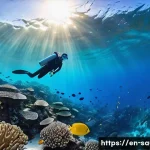
The expansion of protected areas is a cornerstone of this conservation strategy. They’ve already placed 18.1% of their land and 6.49% of their marine environments, covering nearly 400,000 square kilometers, under protection. This is incredible! These areas are vital for providing habitats for indigenous flora and fauna, ensuring that the country’s unique ecosystems can thrive. I’ve learned about the designation of new national parks and marine reserves, some specifically designed to protect and restore coral reefs and other precious marine life in the Red Sea. The Red Sea, in particular, is a biodiversity hotspot with over 1,200 species of fish and 300 types of hard corals. Establishing “no-take” Marine Protected Areas is a crucial step towards preserving these delicate underwater worlds. It makes me think of all the amazing discoveries waiting to be made in these pristine environments, and it’s a powerful reminder of our responsibility to protect them.
Championing Endangered Species
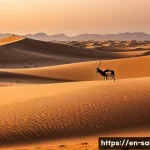
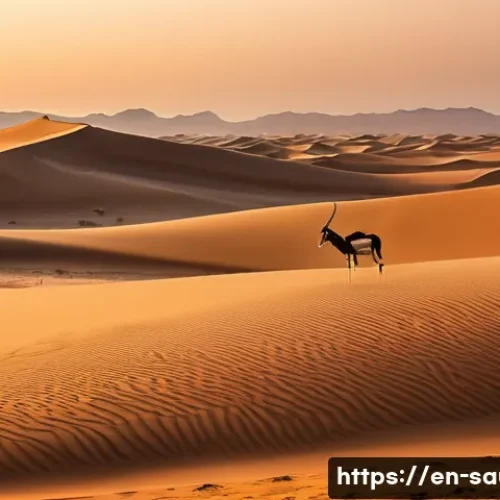
One of the most heartwarming aspects of their conservation efforts is the dedicated work to save endangered species. I was particularly touched to learn about the focus on the critically endangered Arabian leopard, which has become a flagship species for their conservation programs. The Kingdom has dedicated $25 million specifically to preserving this magnificent creature, and the UN even designated February 10th as the International Day of the Arabian Leopard last year, recognizing these efforts. Beyond the leopard, there are active rewilding programs for species like the Arabian oryx, which has seen remarkable success, with older generations noting their return after a century. This isn’t just about protecting animals in zoos; it’s about restoring entire populations and allowing them to flourish in their natural habitats. Seeing these success stories unfold truly reinforces my belief that with focused effort and resources, we can reverse biodiversity loss and ensure a vibrant natural world for everyone.
NEOM: Where Tomorrow’s Sustainable Cities Are Born

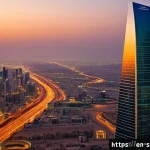
If there’s one project that truly encapsulates Saudi Arabia’s futuristic vision for sustainability, it has to be NEOM. When Crown Prince Mohammed bin Salman announced it in 2017, many of us around the world were captivated, and I was no exception. This isn’t just another city; it’s an ambitious gigaproject on the Red Sea coast, envisioned as a global hub for innovation, livability, and, crucially, sustainability. What I find absolutely fascinating is its core principle: to run on 100% renewable energy and preserve 95% of the natural land for human well-being. It’s a complete reimagining of urban living, built on principles that aim to completely eliminate carbon emissions, roads, and cars in its most prominent component, The Line. It’s a bold, almost science-fiction-like approach to urban development, and it makes you think about what’s truly possible when sustainability is built into the very foundation of a place. I’m always keen to see how these cutting-edge ideas translate into reality.
The Line and Beyond: Urbanism Reimagined
Within NEOM, “The Line” is probably the most talked-about component, and for good reason! It’s planned as a 170-kilometer-long linear city, designed to house up to nine million people in a car-free, zero-carbon environment. The idea of a city where everything you need is a 5-minute walk away, powered entirely by renewables, with no roads or personal vehicles, is revolutionary. But NEOM isn’t just The Line; it also includes other incredible projects like Oxagon, an octagon-shaped floating port city designed to be a logistics and manufacturing hub, also committed to sustainability. Then there’s Trojena, a unique mountain resort offering year-round outdoor sports, even a ski resort in the desert, built with sustainability in mind. And let’s not forget Sindalah, an island luxury resort on the Red Sea. These aren’t just isolated projects; they’re all part of a cohesive vision for a new way of living that puts people and nature first. It’s truly inspiring to see such an integrated approach to urban sustainability.
Sustainable Living, Redefined
What really excites me about NEOM is its holistic approach to redefining sustainable living. They’re looking at everything: a 100% renewables-based energy system, developing green water supply with zero liquid discharge (a game-changer for desert regions!), and producing energy, water, and hydrogen with a zero-carbon footprint. Beyond infrastructure, NEOM is championing livability through smart, shared, and sustainable public transport, promoting good health and well-being, and integrating cutting-edge cognitive technology to create disruptive sustainable solutions. They’re even exploring vertical farming for food security, which drastically reduces water usage and the carbon footprint of agriculture. This project really challenges conventional notions of how cities are built and how we can live harmoniously with our environment. It’s not without its complexities, as any project of this scale would be, but the sheer ambition and dedication to these principles are what keep me fascinated.
The Economic Ripple Effect: Green Investments and Opportunities
As a keen observer of global economic trends, I can tell you that Saudi Arabia’s push towards sustainability isn’t just about environmental benefits; it’s also creating a seismic shift in economic opportunities. The amount of investment flowing into the green economy is truly staggering. We’re talking about over $180 billion committed to a green economy and driving innovation in climate technologies. This isn’t just government spending either; it’s a magnet for private sector involvement, and I’ve seen firsthand how it’s sparking incredible growth. The green technology sustainability market in Saudi Arabia alone is projected to soar from $5.3 billion in 2024 to an estimated $12.83 billion by 2030. That’s a compound annual growth rate of 15.7%, which, if you’re into numbers like I am, is genuinely impressive! This robust investment climate is designed to diversify the economy away from oil, creating new industries and countless job opportunities across various sectors.
Attracting Global Green Tech
Saudi Arabia is rapidly positioning itself as a major hub for green technology and innovation. The National Renewable Energy Program (NREP), for example, aims to develop 58.7 GW of renewable energy by 2030, with 40 GW from solar and 16 GW from wind, presenting a massive opportunity for clean tech investors. This is attracting significant foreign direct investment, with companies eager to partner with local firms like ACWA Power, which has become a major global player in renewables. I’ve noticed a strong emphasis on research and development to pioneer new clean tech solutions, especially in areas like green hydrogen. NEOM, with its commitment to being powered entirely by renewable energy and developing green hydrogen production, is a prime example of this investment in cutting-edge technology. It’s exciting to see how these initiatives are drawing in global expertise and capital, fostering an ecosystem where green innovations can truly flourish.
New Horizons for Local Businesses
Beyond the big international players, these green initiatives are creating fantastic opportunities for local businesses and entrepreneurs. The focus on sustainable development across energy, construction, and transportation sectors means a huge demand for new products, services, and skilled labor. For instance, the Green Riyadh Initiative alone is set to plant 7.5 million trees by 2030, which creates a massive market for nurseries, landscaping services, and water-efficient irrigation technologies. There’s also a big push for energy efficiency improvements in buildings and industries, and the rise of electric vehicles demands new charging infrastructure and related services. I truly believe this transition is fostering a culture of entrepreneurship and innovation, creating new jobs and upskilling the local workforce in green sectors. It’s a transformative period, and I’m optimistic about the long-term benefits these green investments will bring to the Saudi economy and its people.
| Key Saudi Green Initiatives & Goals | Description & Impact | Target Year / Status |
|---|---|---|
| Renewable Energy Target | Generate 50% of electricity from renewable sources; 130 GW capacity. | By 2030 |
| Carbon Emissions Reduction | Reduce carbon emissions by 278 million tons annually. | By 2030 |
| Afforestation Goal | Plant 10 billion trees across the Kingdom. | Ongoing, long-term |
| Land & Sea Protection | Protect 30% of terrestrial and marine areas. | By 2030 |
| NEOM (The Line, Oxagon, Trojena) | Futuristic sustainable cities powered by 100% renewables. | Under development |
Fostering a Culture of Environmental Awareness and Action
What I’ve really come to appreciate during my deep dive into Saudi Arabia’s green transformation is how deeply they’re trying to embed environmental awareness within the very fabric of society. It’s not enough to just launch mega-projects; true change happens when people embrace sustainability in their daily lives. I’ve noticed a significant push in educational initiatives and public awareness campaigns that aim to foster a culture of environmental responsibility. This resonates strongly with me because, as an influencer, I believe that sharing knowledge and inspiring action is paramount. When people understand the “why” behind these initiatives – how cleaner air affects their health, how green spaces improve their well-being, or how biodiversity protects their natural heritage – they become active participants. It’s this “whole-of-society” approach that really gives me confidence in the long-term success of these ambitious goals.
Empowering the Next Generation
I’ve seen mentions of programs focused on educating youth about environmental stewardship, which is absolutely vital for a sustainable future. When you start teaching kids about climate change, conservation, and the importance of renewable energy from a young age, you’re essentially nurturing a generation of environmental champions. This kind of grassroots engagement, coupled with robust national strategies, creates a powerful synergy. Imagine children growing up in cities surrounded by newly planted trees, seeing solar panels on rooftops, and learning about endangered species in their local environment. This hands-on, immersive education goes far beyond textbooks; it shapes their worldview and instills a sense of responsibility. I personally think that investing in environmental education is one of the smartest long-term strategies any nation can undertake, and it’s encouraging to see Saudi Arabia making it a priority.
Community Involvement and Citizen Engagement
Beyond formal education, there’s a growing emphasis on community involvement and citizen engagement in green initiatives. Whether it’s volunteer tree-planting drives or initiatives to reduce waste and conserve water, I see opportunities for everyday people to contribute. The Saudi Green Initiative itself is described as a “whole-of-society” endeavor, meaning it encourages participation from all sectors. For example, local communities and NGOs are playing a role in protecting various geographies, including deserts, forests, mountains, and coastal areas. This kind of collective action not only amplifies the impact of the initiatives but also builds a sense of shared ownership and pride. When people feel connected to these efforts, when they see the tangible results of their contributions, it fosters a stronger, more resilient commitment to sustainability. That’s the real magic in my opinion – turning grand visions into collective achievements.
Innovating for a Greener Tomorrow: Research and Development
It’s easy to get caught up in the big numbers and grand projects, but what really excites me about Saudi Arabia’s green transition is the underlying commitment to cutting-edge research and development. This isn’t just about implementing existing technologies; it’s about pioneering new solutions and becoming a global leader in climate tech. I’ve been particularly impressed by the investments in areas like clean hydrogen and advanced carbon capture technologies. It shows a forward-thinking mindset, acknowledging that the challenges of climate change require continuous innovation. As someone who’s always keen on the latest advancements, seeing a nation commit to this level of R&D in sustainability makes me incredibly optimistic about the potential breakthroughs that could emerge from the region, potentially benefiting the entire world. This strategic focus on innovation is a clear indicator that their green ambitions are built on a solid foundation of scientific exploration and technological advancement.
Pioneering Clean Hydrogen Solutions
Green hydrogen is a game-changer, and Saudi Arabia is seriously investing in becoming a key producer and exporter globally. The sheer potential of clean hydrogen to decarbonize heavy industries and transportation is immense, and it’s fantastic to see such a strong commitment to its development. The NEOM Green Hydrogen Company, for instance, is poised to host what is expected to be one of the world’s largest green hydrogen plants. This isn’t just about domestic energy needs; it’s about establishing a global leadership position in a critical future fuel. They’re also focusing on developing a national clean hydrogen certification that will be recognized by target markets, which is a smart move for ensuring credibility and facilitating international trade. I personally believe that countries that invest early and heavily in green hydrogen will reap significant economic and environmental rewards, and Saudi Arabia is clearly aiming to be at the forefront of this revolution.
Advancing Carbon Capture, Utilization, and Storage
Another area where I’ve seen substantial innovation is in Carbon Capture, Utilization, and Storage (CCUS). While reducing emissions is paramount, for industries where emissions are hard to abate, CCUS technologies become incredibly important. Saudi Arabia is investing heavily in this space, with plans to build one of the largest CCUS centers in the world in Jubail, capable of capturing 9 million tons of CO2 annually by 2027. What I find particularly interesting is the “utilization” aspect of CCUS—the idea of turning captured carbon into valuable products, which aligns perfectly with the Circular Carbon Economy framework. This not only reduces atmospheric carbon but also creates new revenue streams and industries. It’s a pragmatic and innovative approach to managing carbon, demonstrating that technological solutions can play a crucial role in achieving climate goals, even in energy-intensive economies. It’s an area I’ll definitely be keeping my eye on!
Wrapping Things Up
Phew! What an incredible journey we’ve taken through Saudi Arabia’s ambitious green transformation. As an English blog influencer who’s always digging into global trends, I’ve honestly been blown away by the sheer scale and comprehensive nature of their Saudi Green Initiative. It’s truly more than just a set of environmental policies; it feels like a national mission, woven into the very fabric of their future. From seeing those colossal solar farms rise from the desert floor to the visionary sustainable cities being designed, it truly makes me feel optimistic about what nations can achieve when they commit to a green future. It’s inspiring to witness a country, historically known for its oil wealth, pivot so decisively towards sustainability, not just for environmental reasons but for long-term economic diversification and improved quality of life for its citizens. This isn’t just about meeting global targets; it’s about reshaping an entire society for the better, and I personally find that incredibly exciting to watch unfold.
Quick Tips & Useful Insights
1. Stay Informed, Stay Inspired: Don’t just skim headlines! Take a few moments each week to dive deeper into global sustainability news. Following initiatives like the Saudi Green Initiative can offer incredible insights into large-scale solutions and inspire ideas for your own community. There are so many positive stories out there, and staying connected can fuel your own green journey.
2. Rethink Your Energy Use: Have you ever really looked at your household energy consumption? Small changes can make a big difference! Consider switching to energy-efficient appliances, unplugging electronics when not in use, or even exploring options for solar panels if they’re viable where you live. Every watt saved is a step towards a greener planet, mirroring the large-scale energy transitions we’ve discussed.
3. Support Green Innovation: Look for businesses and brands that are actively investing in sustainable practices, whether it’s through renewable energy, eco-friendly products, or ethical sourcing. Your purchasing power is a powerful tool. By choosing to support these innovators, you’re sending a clear message that you value sustainability and want to see more of it. It’s how we collectively drive market demand for a greener economy.
4. Embrace the Circular Economy Mindset: Just like Saudi Arabia’s Circular Carbon Economy, think about how you can reduce, reuse, recycle, and even repurpose items in your daily life. Before tossing something, ask yourself if it can have another life. This mindset not only reduces waste but also sparks creativity and can even save you money, moving us away from a purely linear consumption model.
5. Connect with Nature Locally: While we marvel at projects like planting billions of trees in Saudi Arabia, don’t forget the green spaces around you. Spend time in local parks, volunteer for clean-up drives, or even start a small garden. Connecting with nature fosters a deeper appreciation for the environment and strengthens your resolve to protect it, reminding us why these large-scale efforts are so vital.
Key Takeaways
My deep dive into Saudi Arabia’s commitment to sustainability has genuinely left me with a profound sense of optimism. It’s clear that the Saudi Green Initiative isn’t just a fleeting trend; it’s a meticulously planned, deeply resourced, and genuinely transformative endeavor. We’ve seen how they’re rapidly transitioning towards renewable energy, championing the innovative Circular Carbon Economy, embarking on truly ambitious afforestation and land restoration projects, and safeguarding their rich biodiversity through expanding protected areas. Projects like NEOM stand as beacons of future sustainable urbanism, demonstrating what’s possible when vision meets technological prowess. Moreover, these green investments are creating a significant economic ripple effect, attracting global green tech and fostering new opportunities for local businesses and talent. This holistic approach, integrating environmental stewardship with economic diversification and societal well-being, is a testament to their long-term vision. It’s truly inspiring to see a nation with such a significant global role embracing sustainability on such an unprecedented scale, offering valuable lessons and hope for the worldwide climate effort.
Frequently Asked Questions (FAQ) 📖
Q: What exactly is the Saudi Green Initiative, and how big is the impact they’re aiming for?
A: You know, when I first started looking into Saudi Arabia’s green efforts, the Saudi Green Initiative (SGI) immediately stood out. It’s not just a small project; it’s this absolutely massive national undertaking, spearheaded by Crown Prince Mohammed bin Salman, that really lays out a holistic vision for a more sustainable future for the entire Kingdom.
From what I’ve gathered, its main goals are incredibly ambitious: significantly reducing carbon emissions, planting billions of trees across the country, and protecting vast swathes of land and marine ecosystems.
I’m talking about targets like reducing carbon emissions by 278 million tons annually by 2030 and planting 10 billion trees over the coming decades. It’s a huge commitment, and honestly, seeing the sheer scale of what they’re trying to achieve, it genuinely feels like a game-changer for the region’s environmental landscape.
It’s definitely more than just a buzzword; it’s a national transformation on an epic scale.
Q: We hear a lot about these “futuristic, sustainable cities” emerging from the desert. Can you tell us more about them, and are they really going to be as sustainable as they sound?
A: Oh, you’re hitting on one of my absolute favorite parts of this whole topic – NEOM! When I first learned about projects like The Line, Oxagon, and Trojena, I remember thinking, “Are they serious?” And yes, they absolutely are.
These aren’t just conceptual drawings; they are actively being built. The idea is to create living laboratories for sustainable urbanism. The Line, for instance, is designed to be a 170km linear city with zero cars, zero roads, and zero carbon emissions, powered entirely by renewable energy.
Imagine that! Oxagon is planned as a floating industrial complex focused on advanced and clean manufacturing, and Trojena is set to be a year-round mountain destination, incredibly, even featuring outdoor skiing powered sustainably.
From my perspective, these aren’t just architectural marvels; they’re bold experiments in how we can live, work, and interact with the environment without the massive footprint conventional cities leave.
It’s a truly fascinating blend of cutting-edge technology and radical sustainability principles, and I’m genuinely excited to see how they evolve.
Q: Given Saudi
A: rabia’s history with oil, is this push for a green future truly genuine, or is it more of a ‘greenwashing’ effort to improve their image? A3: That’s an incredibly important and valid question, and one I hear a lot.
It’s totally fair to be skeptical, especially with the Kingdom’s legacy as a major oil producer. However, from what I’ve observed and researched, I truly believe this is far more than just greenwashing.
The sheer volume of financial investment and political will behind initiatives like SGI and NEOM is staggering. We’re talking about hundreds of billions of dollars being poured into these projects.
This isn’t pocket change for a PR stunt; it’s a fundamental part of their Vision 2030, which aims to diversify their economy away from oil. They understand that the world is moving towards a greener economy, and for their long-term prosperity, they need to be at the forefront of that shift.
When you look at the strategic importance of these initiatives to their economic future, it feels like a very genuine and necessary pivot. It’s a massive undertaking, and yes, it will take time, but the commitment to research, development, and groundbreaking execution truly impresses me that this is a serious and long-term play.