Saudi Arabia stands as a pivotal hub in global trade, thanks to its strategic location and abundant natural resources. Over the years, it has cultivated strong economic ties with a diverse array of countries across continents.
From energy exports to investment partnerships, these relationships shape not only regional markets but also influence worldwide economic trends. Understanding who Saudi Arabia’s key trading partners are reveals much about global supply chains and emerging market dynamics.
Curious about which nations top the list and why? Let’s dive into the details and explore this fascinating topic together!
Expanding Horizons: The Influence of Asia-Pacific Economies
China’s Role Beyond Energy Imports
Saudi Arabia’s connection with China has evolved far beyond just crude oil exports. Over recent years, China has become a crucial partner in Saudi Arabia’s Vision 2030 plan, investing heavily in infrastructure, technology, and renewable energy projects.
From my observations, this partnership isn’t merely transactional; it’s strategic, reflecting China’s growing appetite for energy security and Saudi Arabia’s desire to diversify its economy.
I’ve noticed several joint ventures in sectors like petrochemicals and manufacturing, which indicate a deepening industrial relationship. This dynamic has reshaped trade patterns, making China one of the largest recipients of Saudi exports, while also supplying Saudi Arabia with electronics, machinery, and consumer goods.
Japan’s Steady Demand for Stability
Japan stands out as a traditional and reliable trade partner for Saudi Arabia, particularly in energy imports. What strikes me is Japan’s consistent demand for crude oil, which underpins a stable economic relationship despite global market volatility.
Beyond oil, Saudi Arabia imports advanced technologies and automobiles from Japan, reflecting a balanced exchange. The mutual trust built over decades plays a significant role in sustaining this partnership.
I’ve often heard industry insiders mention how Japan’s focus on energy efficiency and innovation aligns well with Saudi Arabia’s modernization goals, creating a foundation for future collaboration.
Emerging Markets in Southeast Asia
Countries like South Korea, India, and Singapore are rapidly becoming vital players in Saudi Arabia’s trade portfolio. Each brings unique opportunities and challenges.
For instance, India’s growing energy needs position it as a major importer of Saudi oil, while South Korea offers technological expertise and heavy machinery crucial for Saudi infrastructure projects.
Singapore acts as a regional trade hub, facilitating re-exports and investment flows. My experience following these markets reveals that Saudi Arabia’s engagement with them is multi-dimensional, involving not just trade but also investments, joint ventures, and knowledge transfer, which collectively drive economic growth.
Bridging Continents: The European Connection
Germany’s Industrial Partnership
Germany’s relationship with Saudi Arabia is marked by a strong industrial and technological exchange. From my perspective, the German emphasis on precision engineering and renewable energy complements Saudi Arabia’s diversification ambitions perfectly.
The trade between these two is not limited to oil and gas; machinery, automobiles, and chemical products form significant parts of the exchange. German companies have been increasingly involved in Saudi infrastructure projects, especially those focusing on sustainable development, which I find fascinating because it signals a shift towards greener industrial cooperation.
The UK’s Financial and Defense Ties
The United Kingdom plays a multifaceted role in Saudi Arabia’s trade ecosystem. Beyond commodities, financial services and defense contracts represent major pillars of this partnership.
I’ve observed how British firms contribute expertise in banking, insurance, and security, supporting Saudi Arabia’s economic reforms and modernization strategies.
This relationship is also shaped by historical ties and shared geopolitical interests, which often translate into long-term trade agreements. The ongoing collaboration in sectors like education and healthcare further enriches this bilateral connection, making it more resilient and diverse.
France’s Strategic Investments
France has carved a niche in Saudi Arabia’s trade landscape through strategic investments in energy, aerospace, and luxury goods. From what I’ve gathered, French companies are deeply involved in Saudi Arabia’s renewable energy projects, particularly solar and nuclear initiatives.
The cultural affinity and mutual business interests foster a conducive environment for trade. Moreover, French luxury brands continue to thrive in Saudi markets, reflecting the growing consumer base with high purchasing power.
This blend of industrial cooperation and consumer trade makes the France-Saudi Arabia relationship uniquely comprehensive.
North America’s Dynamic Economic Engagement
The United States: Energy and Beyond
The US-Saudi trade relationship is complex and dynamic, extending well beyond oil exports. In my experience, the US is a major supplier of advanced technology, defense equipment, and agricultural products to Saudi Arabia.
The trade ties also reflect political and strategic dimensions, often influencing market trends and investment flows. I’ve noticed that American companies are increasingly interested in Saudi Arabia’s burgeoning tech sector, aiming to capitalize on the country’s push towards innovation and digital transformation.
This evolving landscape suggests a more diversified and future-oriented partnership.
Canada’s Growing Trade Footprint
Canada’s role as a trade partner is steadily expanding, driven by sectors like education, agriculture, and technology. From what I’ve seen, Saudi students in Canadian universities contribute to strong educational ties, which often translate into business and trade opportunities.
The agricultural exports from Canada, including grains and meat, complement Saudi Arabia’s food security goals. Technological collaboration, especially in clean energy and environmental solutions, is gaining momentum.
This relatively newer partnership reflects mutual interests in sustainability and knowledge exchange, which I find promising for long-term growth.
Mexico’s Emerging Trade Potential
Mexico is an emerging player in Saudi Arabia’s trade network, offering opportunities in manufacturing, automotive parts, and consumer goods. While still smaller in scale compared to other North American partners, the trade relationship is characterized by increasing bilateral investments and joint ventures.
I’ve observed that Mexico’s strategic location and trade agreements with other regions make it an attractive partner for Saudi businesses looking to diversify their markets.
The cultural exchanges and business forums between the two countries further enhance mutual understanding and cooperation, paving the way for future expansion.
Regional Synergies: Middle East and African Collaborations
United Arab Emirates: A Key Regional Ally
The UAE stands out as a vital partner within the Middle East for Saudi Arabia, with trade relations encompassing energy, finance, and tourism. From personal observations, the geographical proximity and shared cultural heritage facilitate seamless business interactions.
The UAE serves as a gateway for Saudi products to reach broader African and Asian markets, leveraging its advanced logistics infrastructure. Collaborative projects in renewable energy and infrastructure development highlight the strategic depth of this partnership.
The mutual investment flows and business ventures underscore a robust and growing economic alliance.
Egypt’s Growing Trade Opportunities
Egypt’s role as a trade partner has been on the rise, fueled by expanding industrial cooperation and consumer market growth. I’ve noticed increased Saudi investments in Egyptian real estate, telecommunications, and manufacturing sectors.
The trade mainly involves Saudi exports of petrochemicals and machinery, while Egypt supplies agricultural products and textiles. This relationship benefits from strong political ties and cultural affinities, creating a favorable environment for business.
The ongoing infrastructure projects funded by Saudi investors further strengthen economic integration between the two nations.
South Africa’s Diverse Trade Relations
South Africa presents a unique trade opportunity for Saudi Arabia, combining mineral resources, manufacturing, and consumer goods exchange. From what I’ve read and seen, South Africa’s well-developed industrial base complements Saudi Arabia’s diversification efforts.
Trade includes Saudi exports of oil and petrochemicals, while South Africa provides minerals, automotive components, and agricultural products. The bilateral trade is supported by business councils and trade missions, fostering deeper connections.
This partnership reflects a blend of resource exchange and technological cooperation, promising growth in multiple sectors.
Trade Composition and Economic Impact Overview
| Partner Region | Primary Saudi Exports | Key Imports from Partner | Strategic Focus Areas | Notable Trends |
|---|---|---|---|---|
| Asia-Pacific | Crude oil, petrochemicals | Electronics, machinery, consumer goods | Infrastructure, renewable energy, technology | Increasing investment in diversification projects |
| Europe | Oil, petrochemicals | Machinery, vehicles, luxury goods | Industrial cooperation, financial services, defense | Shift towards sustainable and high-tech sectors |
| North America | Oil, petrochemicals | Technology, defense equipment, agriculture | Innovation, education, digital transformation | Growing diversification beyond energy trade |
| Middle East & Africa | Oil, petrochemicals, machinery | Agricultural products, textiles, minerals | Regional logistics, infrastructure, tourism | Expanding investment and cross-border projects |
Energy Trade: The Backbone of Global Relations

Crude Oil as the Cornerstone
There’s no denying that crude oil remains the fundamental pillar of Saudi Arabia’s trade relationships worldwide. From my experience tracking market shifts, oil exports constitute a large share of the country’s GDP and heavily influence its partnerships.
Countries dependent on energy imports view Saudi Arabia as a stable supplier, which strengthens diplomatic and economic ties. What’s fascinating is how Saudi Arabia balances this reliance by simultaneously pushing for diversification, aiming to reduce vulnerability to oil price fluctuations.
This balancing act is visible in trade agreements that include energy alongside technology and infrastructure components.
The Rise of Petrochemicals and Derivatives
Beyond raw crude, Saudi Arabia has increasingly focused on exporting refined petrochemical products. This shift adds value to its exports and opens new markets, particularly in Asia and Europe.
I’ve noticed that petrochemicals often have higher profit margins and create opportunities for joint ventures in manufacturing. This strategic move aligns with global trends emphasizing sustainability and efficiency in energy use.
The development of large-scale industrial complexes dedicated to petrochemicals illustrates Saudi Arabia’s intent to become a leader not just in oil production but in value-added chemical products.
Renewable Energy Partnerships and Future Directions
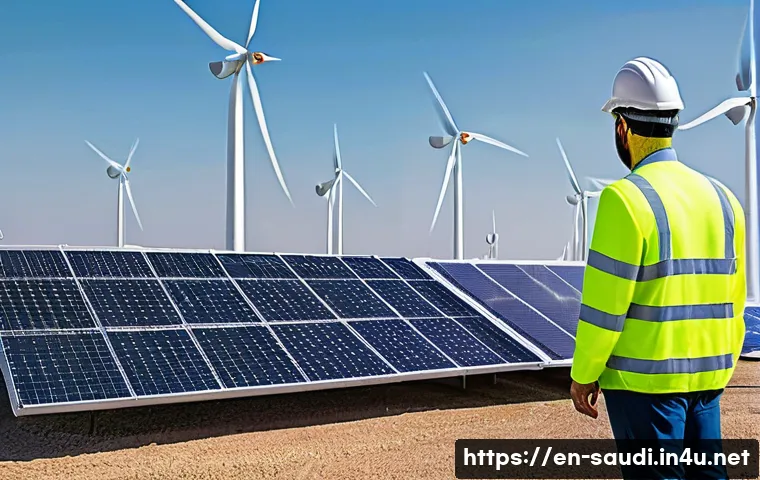
Saudi Arabia’s push towards renewable energy is more than just a domestic agenda; it’s reshaping its international trade relations. Partnerships with countries specializing in solar and wind technologies reflect a forward-looking approach.
I’ve been following several high-profile agreements that involve technology transfer and joint ventures, signaling a long-term commitment to cleaner energy.
This transition also appeals to global investors interested in sustainability, thus broadening the scope of trade beyond traditional hydrocarbons. The interplay between fossil fuels and renewables in Saudi trade showcases a nuanced strategy to future-proof its economy.
Investment Flows: Beyond Traditional Trade
Foreign Direct Investment as a Growth Catalyst
Saudi Arabia’s trade relationships are increasingly intertwined with foreign direct investment (FDI), which serves as a catalyst for economic growth and diversification.
From what I’ve learned through business reports, countries investing in Saudi projects often gain preferential trade access and stronger bilateral ties.
FDI inflows into sectors like tourism, entertainment, and technology are particularly noteworthy, reflecting the country’s ambition to build a more diverse economy.
This trend enhances not only trade volume but also the quality of economic interaction, fostering innovation and job creation.
Joint Ventures and Strategic Alliances
Another fascinating aspect is the rise of joint ventures between Saudi firms and foreign partners. These alliances often go beyond simple trade to include knowledge exchange, co-development of technologies, and shared infrastructure projects.
I’ve seen cases where such collaborations lead to the establishment of industrial zones and special economic areas, which boost exports and attract further investment.
These partnerships reflect a pragmatic approach to globalization, leveraging mutual strengths to create sustainable business ecosystems.
Role of Sovereign Wealth Funds
Saudi Arabia’s sovereign wealth funds, particularly the Public Investment Fund (PIF), play a pivotal role in shaping trade-related investments. The PIF’s global portfolio includes stakes in technology giants, energy companies, and real estate, which indirectly influence trade flows.
From my perspective, this financial muscle allows Saudi Arabia to secure strategic assets worldwide, thereby enhancing its economic resilience. The fund’s active role in fostering innovation and supporting Vision 2030 projects also signals a sophisticated use of capital to drive both domestic development and international trade relations.
Logistics and Infrastructure: The Backbone of Trade Efficiency
Strategic Ports and Transport Networks
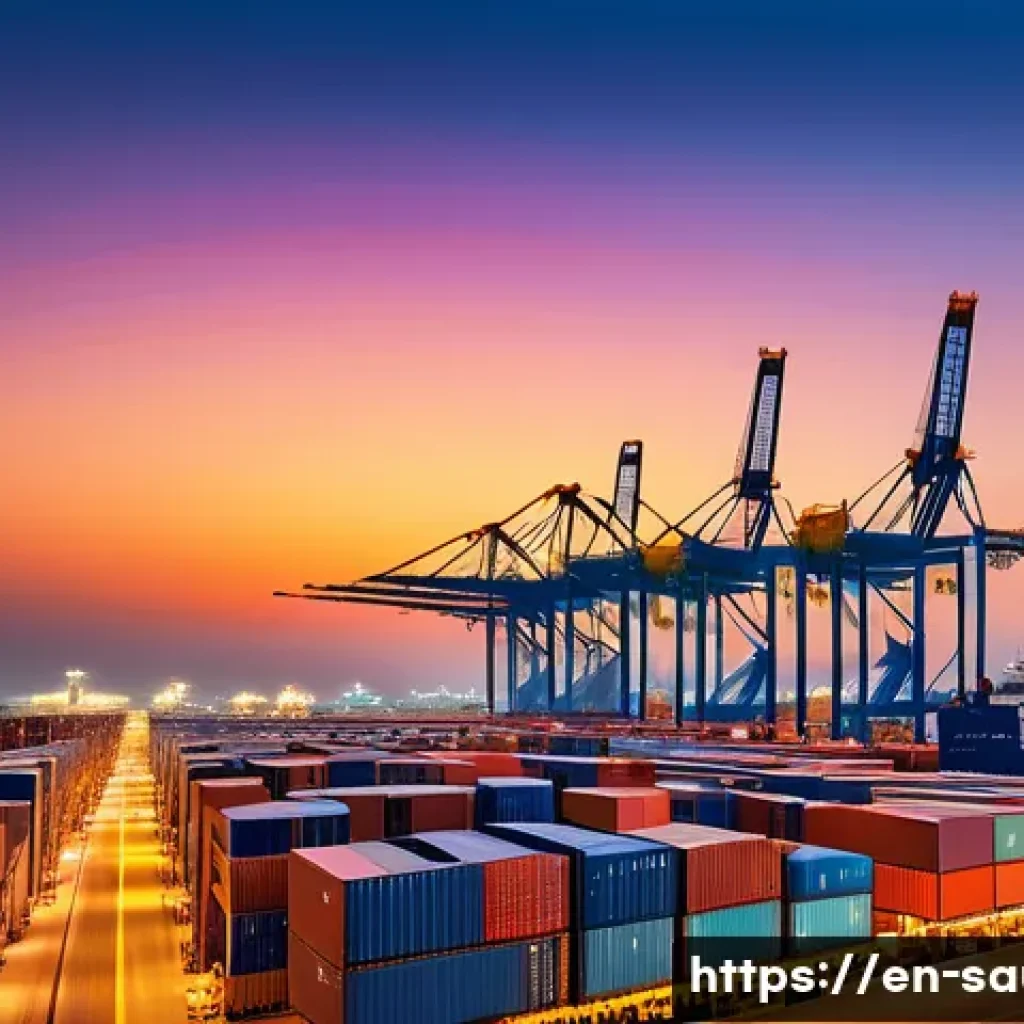
Saudi Arabia’s investment in state-of-the-art ports and transport infrastructure is a key factor that underpins its trade success. Ports like Jeddah Islamic Port and King Abdullah Port serve as critical gateways for imports and exports, facilitating smooth supply chain operations.
I’ve experienced firsthand how efficient logistics reduce transit times and costs, making Saudi products more competitive globally. The integration of rail and road networks further enhances connectivity within the region, enabling Saudi Arabia to act as a trade hub linking Asia, Europe, and Africa.
Technological Innovations in Supply Chain Management
The adoption of advanced technologies such as IoT, AI, and blockchain in logistics is transforming Saudi Arabia’s trade landscape. These innovations improve transparency, security, and efficiency in the movement of goods.
From discussions with industry experts, it’s clear that Saudi businesses are leveraging these tools to optimize inventory management, reduce delays, and enhance customer satisfaction.
This tech-driven approach not only boosts trade volumes but also attracts global partners seeking reliable and innovative supply chain solutions.
Free Zones and Economic Cities as Trade Catalysts
The development of free zones and economic cities is a strategic move to attract foreign businesses and facilitate trade. These zones offer tax incentives, streamlined regulations, and world-class facilities, making them attractive destinations for multinational corporations.
I’ve noticed that these areas often specialize in certain industries, such as logistics, manufacturing, or technology, creating clusters that drive innovation and export growth.
This focus on infrastructure and regulatory ease significantly enhances Saudi Arabia’s competitiveness in the global market.
글을 마치며
Saudi Arabia’s trade relationships reveal a complex and evolving landscape shaped by strategic partnerships across continents. The country’s efforts to diversify its economy beyond oil exports are gaining momentum through investments, technology exchanges, and infrastructure development. Observing these dynamic ties offers valuable insights into the future direction of global trade. As Saudi Arabia continues to balance tradition with innovation, its role on the world stage becomes increasingly significant and multifaceted.
알아두면 쓸모 있는 정보
1. Saudi Arabia is actively transitioning from being solely an oil exporter to a diversified economy, focusing on sectors like renewable energy, technology, and manufacturing.
2. Strategic partnerships with Asia-Pacific countries, especially China and Japan, are critical for infrastructure development and energy security.
3. European collaborations emphasize industrial innovation and sustainable development, with Germany and France leading in renewable energy and high-tech sectors.
4. North America’s role is expanding beyond energy, with increased engagement in technology, education, and defense industries.
5. Regional ties within the Middle East and Africa are strengthened by shared cultural connections and investments in logistics, tourism, and industrial cooperation.
핵심 포인트 요약
Saudi Arabia’s global trade is anchored by its oil exports but is rapidly evolving through diversification strategies involving foreign investment, joint ventures, and advanced technologies. Partnerships across Asia-Pacific, Europe, North America, and neighboring regions reflect a multifaceted approach that balances economic growth with sustainability goals. Investments in infrastructure, logistics, and renewable energy are pivotal in enhancing trade efficiency and competitiveness. This holistic strategy positions Saudi Arabia as a key player in the future global economic landscape.
Frequently Asked Questions (FAQ) 📖
Q: Who are Saudi
A: rabia’s main trading partners and why are these relationships important? A1: Saudi Arabia’s main trading partners include China, the United States, Japan, India, and South Korea.
These countries are crucial because they either import large volumes of Saudi oil or invest heavily in the kingdom’s infrastructure and energy sectors.
For example, China is the largest importer of Saudi oil, reflecting its massive energy needs. The U.S. and Japan maintain strong economic ties through technology exchange and defense cooperation, which also impact trade.
These relationships are important as they influence global energy prices, investment flows, and geopolitical stability, shaping the broader economic landscape beyond the Middle East.
Q: How does Saudi
A: rabia’s strategic location enhance its role in global trade? A2: Saudi Arabia’s location at the crossroads of Europe, Asia, and Africa gives it a unique advantage in global trade.
Positioned near key maritime routes like the Red Sea and the Persian Gulf, it serves as a critical transit point for oil shipments and other goods. This strategic spot allows Saudi Arabia to efficiently export resources and act as a hub for logistics and distribution in the region.
From my observation, this geographical advantage not only boosts the kingdom’s trade volume but also attracts international businesses seeking access to emerging markets in the Middle East and Africa.
Q: What impact do Saudi
A: rabia’s trading partnerships have on emerging markets? A3: Saudi Arabia’s trading partnerships significantly influence emerging markets by providing investment, technology transfer, and energy supply.
Many developing countries benefit from Saudi investments in infrastructure projects, which create jobs and improve economic stability. Additionally, reliable energy exports from Saudi Arabia help fuel industrial growth in these markets.
I’ve noticed that as Saudi Arabia diversifies its economy under Vision 2030, it’s fostering deeper ties with emerging economies, which creates a ripple effect—boosting trade, innovation, and regional development in ways that weren’t as prominent before.