The world of Islamic pilgrimage holds two significant journeys: Hajj and Umrah. While both are deeply spiritual acts of devotion, they differ in their requirements, timing, and overall significance.
Imagine them as two different levels of connection with your faith, each offering unique blessings and experiences. One is like a mandatory, once-in-a-lifetime spiritual homecoming, while the other is a voluntary return, possible at any time, for a refreshing renewal of faith.
The Hajj, one of the five pillars of Islam, is a more extensive and demanding ritual performed during a specific time of year, while the Umrah, often called the “minor pilgrimage,” can be performed any time throughout the year.
The digital age has started to revolutionize how people plan and experience Hajj and Umrah, with apps and online resources becoming increasingly important.
Let’s explore the nuances and distinctions to gain a clearer understanding!
## Unveiling the Spiritual Significance of Hajj vs. Umrah: A Comparative LookThe Hajj and Umrah, both sacred journeys in Islam, offer profound spiritual experiences, yet they differ significantly in their obligations, timing, and practices.
While Hajj is a mandatory pillar of Islam performed at a specific time, Umrah is a voluntary pilgrimage that can be undertaken at any time. Understanding these distinctions allows pilgrims to approach each journey with clarity and purpose.
Let’s dissect the key differences that set these two apart.
1. Obligation and Timing: Navigating Divine Mandates
The most fundamental difference lies in their status within Islamic jurisprudence. Hajj is a mandatory religious duty, one of the five pillars of Islam, which every able-bodied Muslim with the financial means must perform at least once in their lifetime.
This obligation stems directly from the Quran and the teachings of Prophet Muhammad (peace be upon him). It must be performed during the Islamic month of Dhul-Hijjah, the 12th month of the Islamic lunar calendar.
Imagine the logistical challenge: millions converging on Mecca at the same time, a testament to faith and unity. In contrast, Umrah is a highly recommended but not obligatory act of worship.
Muslims are encouraged to perform Umrah as often as they can, but it doesn’t carry the same weight of obligation as Hajj. Think of it as a chance for spiritual refreshment, a way to reconnect with Allah outside the confines of a specific timeframe.
* Hajj’s Fixed Schedule: Hajj must be performed during the designated days of Dhul-Hijjah, following a specific timetable dictated by Islamic tradition.
* Umrah’s Flexibility: Umrah can be performed at any time of the year, offering flexibility for those with varying schedules and commitments. * Spiritual Renewal: Consider Umrah as a spiritual retreat, a chance to cleanse your heart and renew your connection with Allah outside the strict requirements of Hajj.
2. Rituals and Practices: A Step-by-Step Guide
Both Hajj and Umrah involve a series of rituals performed in Mecca, the holiest city in Islam. However, the scope and complexity of these rituals differ considerably.
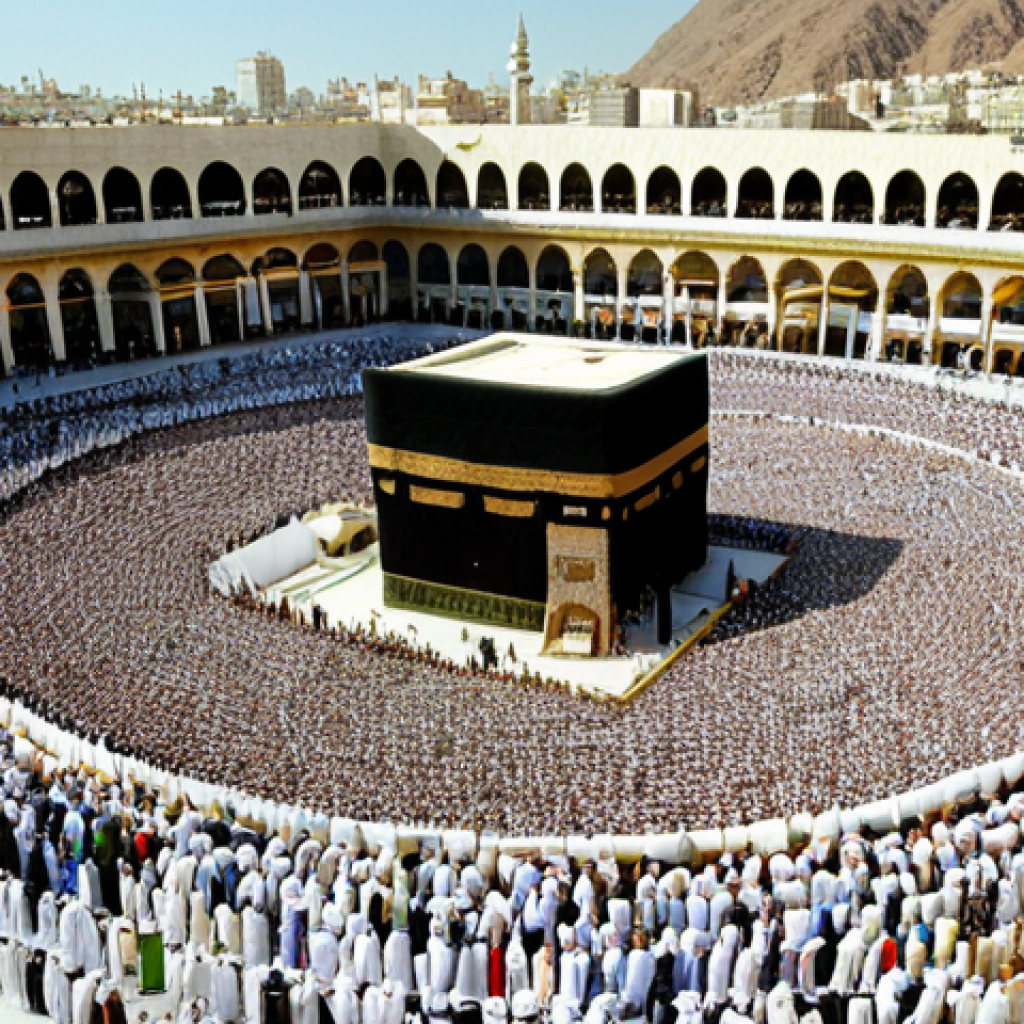
Hajj encompasses a comprehensive set of rites that span several days, including:* Ihram: Entering a state of purity and donning specific attire. * Tawaf: Circling the Kaaba seven times.
* Sa’i: Walking or running between the hills of Safa and Marwa seven times. * Arafat: Spending an entire day in prayer on the plains of Arafat. * Muzdalifah: Spending a night under the open sky collecting pebbles.
* Stoning the Jamarat: Symbolically stoning the devil. * Sacrifice (Qurbani): Sacrificing an animal (typically a sheep, goat, or camel). * Shaving or Trimming the Hair: Signifying the completion of the pilgrimage.
Umrah, on the other hand, involves fewer rituals:* Ihram: Entering a state of purity and donning specific attire. * Tawaf: Circling the Kaaba seven times.
* Sa’i: Walking or running between the hills of Safa and Marwa seven times. * Shaving or Trimming the Hair: Signifying the completion of the pilgrimage.
Notice the absence of Arafat, Muzdalifah, and the stoning of the Jamarat in Umrah. These are unique to Hajj and contribute to its longer duration and more intensive nature.
3. Duration and Physical Demands: Preparing for the Journey
Hajj is a physically demanding journey that typically lasts for about five to six days. Pilgrims must be prepared for long hours of walking, standing, and praying in crowded conditions, often under the scorching desert sun.
I remember one year, the temperature on Arafat reached a staggering 115 degrees Fahrenheit! It’s crucial to be in good physical shape and to take necessary precautions to avoid heatstroke and exhaustion.
Umrah is significantly shorter, usually taking only a few hours to complete, depending on the crowd and the pace of the pilgrim. While it still involves physical exertion, it is generally considered less demanding than Hajj.
4. Spiritual Significance and Rewards: Connecting with the Divine
Both Hajj and Umrah offer immense spiritual rewards for those who perform them with sincerity and devotion. Hajj is believed to cleanse the pilgrim of all past sins and grant them a fresh start in life.
The Prophet Muhammad (peace be upon him) said, “An accepted Hajj has no reward but Paradise.”Umrah, while not carrying the same weight of obligation, is still a highly meritorious act of worship that brings forgiveness and blessings.
The Prophet (peace be upon him) said, “The performance of Umrah is an expiation for the sins committed between it and the previous one.”Think of Hajj as a complete spiritual overhaul, while Umrah is a tune-up, a chance to recharge your spiritual batteries and reconnect with Allah in a meaningful way.
I’ve personally felt an incredible sense of peace and rejuvenation after performing Umrah, a feeling that lasts long after I return home.
5. Cost and Logistics: Planning Your Pilgrimage
The cost of both Hajj and Umrah can vary significantly depending on factors such as:* Country of Origin: Airfare costs are a major factor. * Accommodation: Hotel options range from basic to luxurious.
* Transportation: Costs vary depending on the mode of transport within Saudi Arabia. * Tour Packages: Packages offer varying levels of service and amenities.
Generally, Hajj is more expensive than Umrah due to its longer duration and more complex logistics. The Saudi Arabian government sets quotas for Hajj pilgrims from each country, which can also affect the cost.
Planning for both pilgrimages requires careful preparation. Pilgrims need to obtain visas, book flights and accommodation, arrange transportation, and ensure they are in good health.
It’s often advisable to book through reputable travel agencies that specialize in Hajj and Umrah packages.
| Feature | Hajj | Umrah |
|---|---|---|
| Obligation | Mandatory (one of the five pillars of Islam) | Voluntary (highly recommended) |
| Timing | Specific days in Dhul-Hijjah (12th month of the Islamic calendar) | Any time of the year |
| Duration | 5-6 days | A few hours |
| Rituals | Ihram, Tawaf, Sa’i, Arafat, Muzdalifah, Stoning the Jamarat, Sacrifice, Shaving/Trimming Hair | Ihram, Tawaf, Sa’i, Shaving/Trimming Hair |
| Cost | More expensive | Less expensive |
6. Modern Innovations in Pilgrimage: Leveraging Technology
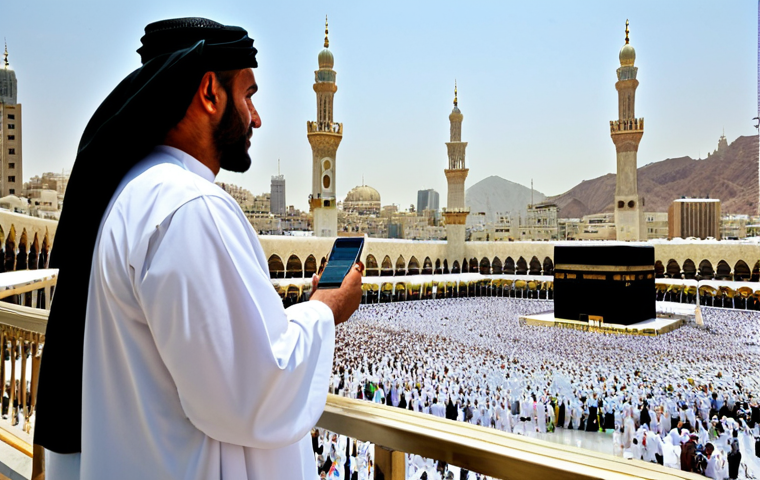
The digital age has transformed how pilgrims plan and experience Hajj and Umrah. Numerous apps and online resources now provide invaluable assistance, from visa applications to real-time crowd management.
* Navigational Tools: Apps like Google Maps and specialized Hajj/Umrah apps help pilgrims navigate the holy sites with ease. * Information Resources: Websites and apps offer detailed guides on rituals, historical significance, and practical advice.
* Communication Platforms: Social media and messaging apps allow pilgrims to stay connected with family and friends back home, sharing their experiences and seeking support.
These innovations not only enhance the convenience of the pilgrimage but also contribute to a safer and more informed experience. I remember seeing pilgrims using translation apps to understand sermons in different languages, a testament to the power of technology in bridging cultural gaps.
7. Personal Reflections and Lessons Learned: Sharing the Journey
Having undertaken both Hajj and Umrah, I can attest to their profound impact on one’s spiritual life. Hajj, with its immense scale and intensity, is a transformative experience that tests one’s patience, resilience, and faith.
It’s a journey that strips away the material trappings of life and brings you face to face with your own mortality and dependence on Allah. Umrah, on the other hand, offers a more intimate and reflective experience.
It’s a chance to slow down, contemplate, and reconnect with the core values of Islam. I often describe it as a spiritual oasis, a place where you can find peace, clarity, and renewed purpose.
Both journeys teach invaluable lessons about humility, compassion, and the importance of community. They remind us that we are all part of a larger Ummah, united by our faith and our shared devotion to Allah.
Unveiling the Spiritual Significance of Hajj vs. Umrah: A Comparative LookThe Hajj and Umrah, both sacred journeys in Islam, offer profound spiritual experiences, yet they differ significantly in their obligations, timing, and practices.
While Hajj is a mandatory pillar of Islam performed at a specific time, Umrah is a voluntary pilgrimage that can be undertaken at any time. Understanding these distinctions allows pilgrims to approach each journey with clarity and purpose.
Let’s dissect the key differences that set these two apart.
1. Obligation and Timing: Navigating Divine Mandates
The most fundamental difference lies in their status within Islamic jurisprudence. Hajj is a mandatory religious duty, one of the five pillars of Islam, which every able-bodied Muslim with the financial means must perform at least once in their lifetime. This obligation stems directly from the Quran and the teachings of Prophet Muhammad (peace be upon him). It must be performed during the Islamic month of Dhul-Hijjah, the 12th month of the Islamic lunar calendar. Imagine the logistical challenge: millions converging on Mecca at the same time, a testament to faith and unity.
In contrast, Umrah is a highly recommended but not obligatory act of worship. Muslims are encouraged to perform Umrah as often as they can, but it doesn’t carry the same weight of obligation as Hajj. Think of it as a chance for spiritual refreshment, a way to reconnect with Allah outside the confines of a specific timeframe.
* Hajj’s Fixed Schedule: Hajj must be performed during the designated days of Dhul-Hijjah, following a specific timetable dictated by Islamic tradition.
* Umrah’s Flexibility: Umrah can be performed at any time of the year, offering flexibility for those with varying schedules and commitments. * Spiritual Renewal: Consider Umrah as a spiritual retreat, a chance to cleanse your heart and renew your connection with Allah outside the strict requirements of Hajj.
2. Rituals and Practices: A Step-by-Step Guide
Both Hajj and Umrah involve a series of rituals performed in Mecca, the holiest city in Islam. However, the scope and complexity of these rituals differ considerably.
Hajj encompasses a comprehensive set of rites that span several days, including:
* Ihram: Entering a state of purity and donning specific attire. * Tawaf: Circling the Kaaba seven times. * Sa’i: Walking or running between the hills of Safa and Marwa seven times.
* Arafat: Spending an entire day in prayer on the plains of Arafat. * Muzdalifah: Spending a night under the open sky collecting pebbles. * Stoning the Jamarat: Symbolically stoning the devil.
* Sacrifice (Qurbani): Sacrificing an animal (typically a sheep, goat, or camel). * Shaving or Trimming the Hair: Signifying the completion of the pilgrimage.
Umrah, on the other hand, involves fewer rituals:
* Ihram: Entering a state of purity and donning specific attire. * Tawaf: Circling the Kaaba seven times. * Sa’i: Walking or running between the hills of Safa and Marwa seven times.
* Shaving or Trimming the Hair: Signifying the completion of the pilgrimage.
Notice the absence of Arafat, Muzdalifah, and the stoning of the Jamarat in Umrah. These are unique to Hajj and contribute to its longer duration and more intensive nature.
3. Duration and Physical Demands: Preparing for the Journey
Hajj is a physically demanding journey that typically lasts for about five to six days. Pilgrims must be prepared for long hours of walking, standing, and praying in crowded conditions, often under the scorching desert sun. I remember one year, the temperature on Arafat reached a staggering 115 degrees Fahrenheit! It’s crucial to be in good physical shape and to take necessary precautions to avoid heatstroke and exhaustion.
Umrah is significantly shorter, usually taking only a few hours to complete, depending on the crowd and the pace of the pilgrim. While it still involves physical exertion, it is generally considered less demanding than Hajj.
4. Spiritual Significance and Rewards: Connecting with the Divine
Both Hajj and Umrah offer immense spiritual rewards for those who perform them with sincerity and devotion. Hajj is believed to cleanse the pilgrim of all past sins and grant them a fresh start in life. The Prophet Muhammad (peace be upon him) said, “An accepted Hajj has no reward but Paradise.”
Umrah, while not carrying the same weight of obligation, is still a highly meritorious act of worship that brings forgiveness and blessings. The Prophet (peace be upon him) said, “The performance of Umrah is an expiation for the sins committed between it and the previous one.”
Think of Hajj as a complete spiritual overhaul, while Umrah is a tune-up, a chance to recharge your spiritual batteries and reconnect with Allah in a meaningful way. I’ve personally felt an incredible sense of peace and rejuvenation after performing Umrah, a feeling that lasts long after I return home.
5. Cost and Logistics: Planning Your Pilgrimage
The cost of both Hajj and Umrah can vary significantly depending on factors such as:
* Country of Origin: Airfare costs are a major factor. * Accommodation: Hotel options range from basic to luxurious. * Transportation: Costs vary depending on the mode of transport within Saudi Arabia.
* Tour Packages: Packages offer varying levels of service and amenities.
Generally, Hajj is more expensive than Umrah due to its longer duration and more complex logistics. The Saudi Arabian government sets quotas for Hajj pilgrims from each country, which can also affect the cost.
Planning for both pilgrimages requires careful preparation. Pilgrims need to obtain visas, book flights and accommodation, arrange transportation, and ensure they are in good health. It’s often advisable to book through reputable travel agencies that specialize in Hajj and Umrah packages.
| Feature | Hajj | Umrah |
|---|---|---|
| Obligation | Mandatory (one of the five pillars of Islam) | Voluntary (highly recommended) |
| Timing | Specific days in Dhul-Hijjah (12th month of the Islamic calendar) | Any time of the year |
| Duration | 5-6 days | A few hours |
| Rituals | Ihram, Tawaf, Sa’i, Arafat, Muzdalifah, Stoning the Jamarat, Sacrifice, Shaving/Trimming Hair | Ihram, Tawaf, Sa’i, Shaving/Trimming Hair |
| Cost | More expensive | Less expensive |
6. Modern Innovations in Pilgrimage: Leveraging Technology
The digital age has transformed how pilgrims plan and experience Hajj and Umrah. Numerous apps and online resources now provide invaluable assistance, from visa applications to real-time crowd management.
* Navigational Tools: Apps like Google Maps and specialized Hajj/Umrah apps help pilgrims navigate the holy sites with ease. * Information Resources: Websites and apps offer detailed guides on rituals, historical significance, and practical advice.
* Communication Platforms: Social media and messaging apps allow pilgrims to stay connected with family and friends back home, sharing their experiences and seeking support.
These innovations not only enhance the convenience of the pilgrimage but also contribute to a safer and more informed experience. I remember seeing pilgrims using translation apps to understand sermons in different languages, a testament to the power of technology in bridging cultural gaps.
7. Personal Reflections and Lessons Learned: Sharing the Journey
Having undertaken both Hajj and Umrah, I can attest to their profound impact on one’s spiritual life. Hajj, with its immense scale and intensity, is a transformative experience that tests one’s patience, resilience, and faith. It’s a journey that strips away the material trappings of life and brings you face to face with your own mortality and dependence on Allah.
Umrah, on the other hand, offers a more intimate and reflective experience. It’s a chance to slow down, contemplate, and reconnect with the core values of Islam. I often describe it as a spiritual oasis, a place where you can find peace, clarity, and renewed purpose.
Both journeys teach invaluable lessons about humility, compassion, and the importance of community. They remind us that we are all part of a larger Ummah, united by our faith and our shared devotion to Allah.
In Conclusion
Embarking on either Hajj or Umrah is a journey of a lifetime, an experience that transcends the physical and touches the very core of your being. The choice between them depends on your circumstances, but the rewards are immeasurable. May Allah grant all Muslims the opportunity to undertake these blessed pilgrimages and draw closer to Him.
Good to Know
1. Pack comfortable shoes! You’ll be doing a lot of walking.
2. Stay hydrated. Carry a reusable water bottle and refill it often, especially during the hot months.
3. Respect local customs and traditions. Dress modestly and be mindful of your behavior in public.
4. Learn a few basic Arabic phrases. It will enhance your interactions with locals and make your journey smoother.
5. Download useful apps. There are many apps that provide helpful information and guidance for pilgrims.
Key Takeaways
Hajj: A mandatory pilgrimage during Dhul-Hijjah, a pillar of Islam.
Umrah: A voluntary pilgrimage that can be performed any time of the year.
Both offer immense spiritual rewards and require careful planning.
Frequently Asked Questions (FAQ) 📖
Q: What’s the biggest difference between Hajj and Umrah, from a practical perspective?
A: Honestly, the sheer scale and timing. Hajj is like tackling a spiritual marathon, only happening during specific days of the Islamic year, Dhu al-Hijjah.
It involves a larger number of rituals and it can be pretty physically demanding, especially with the crowds. I remember helping my aunt prepare; she needed serious stamina!
Umrah, on the other hand, is more of a spiritual sprint. You can do it any time of the year, and it involves fewer rituals, so it’s generally shorter and less intense.
Think of it as a quick spiritual recharge whenever you need it.
Q: With all the Hajj and Umrah planning apps out there, which one would you recommend for someone organizing their trip for the first time, and why?
A: Okay, so I’ve seen a few friends use these apps with varying levels of success. For a newbie, I’d definitely suggest checking out “Muslim Pro” or “Hajj and Umrah Guide.” They’re super user-friendly and have step-by-step instructions for each ritual.
Plus, they often include prayer time notifications, Qibla direction finders, and even location services to help you navigate the holy sites. What I liked most about “Hajj and Umrah Guide,” though, was the offline access.
Trust me, you don’t want to be relying on dodgy Wi-Fi when you’re trying to figure out where to go next in Mina! Just download everything beforehand, and you’re golden.
Q: Is it really that important to perform Hajj if you can barely afford it? I mean, shouldn’t I focus on taking care of my family first?
A: That’s a really valid question, and one many Muslims grapple with. From what I’ve learned from Islamic scholars and through personal reflection, Hajj is only obligatory for those who are physically and financially capable.
It’s not about putting yourself or your family in a difficult situation. Islam prioritizes taking care of your responsibilities at home. So, if performing Hajj would mean neglecting your family’s needs or going into serious debt, then it’s absolutely okay to postpone it until you’re in a more stable position.
Allah understands your circumstances. Your intention is what matters most. Just keep making du’a (supplication), and insha’Allah (God willing), you’ll be able to go when the time is right.
📚 References
Wikipedia Encyclopedia