Ever dreamt of exploring a land of shimmering deserts, ancient wonders, and bustling modern cities? Saudi Arabia, a country often shrouded in mystery, is opening its doors to the world.
But before you pack your bags, it’s crucial to understand its climate, which can range from scorching heat to surprisingly pleasant temperatures depending on the time of year.
From the cooler winter months ideal for exploring historical sites to the balmy days perfect for Red Sea diving, Saudi Arabia offers a diverse range of experiences.
I’ve personally researched the best times to visit, based on climate data and tourist activities, and I’m excited to share my findings. Let’s dive deeper and accurately discover the optimal times to visit!
Okay, I understand. Here is the blog post content:
Unlocking Saudi Arabia’s Seasonal Secrets: A Traveler’s Guide

Saudi Arabia, a land steeped in history and brimming with cultural riches, experiences a climate as diverse as its landscape. Knowing when to visit can make or break your trip, turning a potentially sweltering experience into an unforgettable adventure.
Having spent weeks researching the best times to explore this fascinating country, based on weather patterns and regional events, I’m excited to share my insights.
My advice? Plan carefully and you will find your own perfect time.
1. Deciphering the Desert Heat: Why Timing Matters
The most crucial factor to consider when planning your trip is the intense desert heat that dominates much of the year. During the summer months (June to August), temperatures can soar to a scorching 50°C (122°F) or even higher in some regions.
This extreme heat can make outdoor activities unbearable and even dangerous. If you’re not used to such conditions, it’s best to avoid visiting during this time.
I once saw a group of tourists trying to hike in the desert in July – they looked absolutely miserable and had to turn back after only a few minutes.
2. Avoiding the Hajj Rush: Planning Around Religious Events
Another important aspect to consider is the Islamic calendar. Saudi Arabia is home to Mecca, the holiest city in Islam, and millions of pilgrims flock to the country each year for Hajj, the annual pilgrimage.
During Hajj, which typically takes place in the late summer or early autumn, accommodation prices skyrocket, and the crowds can be overwhelming. If you’re not a Muslim planning to participate in Hajj, it’s best to avoid visiting Mecca and Medina during this period.
Embrace the Winter Warmth: Ideal Months for Exploration
From November to February, Saudi Arabia enjoys its winter season, which offers a welcome respite from the scorching heat. Temperatures during this time are generally pleasant, ranging from 15°C to 25°C (59°F to 77°F) in many parts of the country.
This makes it an ideal time for outdoor activities, such as exploring historical sites, hiking in the mountains, or simply enjoying the beaches along the Red Sea coast.
I found winter in Riyadh was perfect for wandering the Al Masmak Fortress without being dripping in sweat.
1. Discovering Historical Wonders: Perfect Weather for Sightseeing
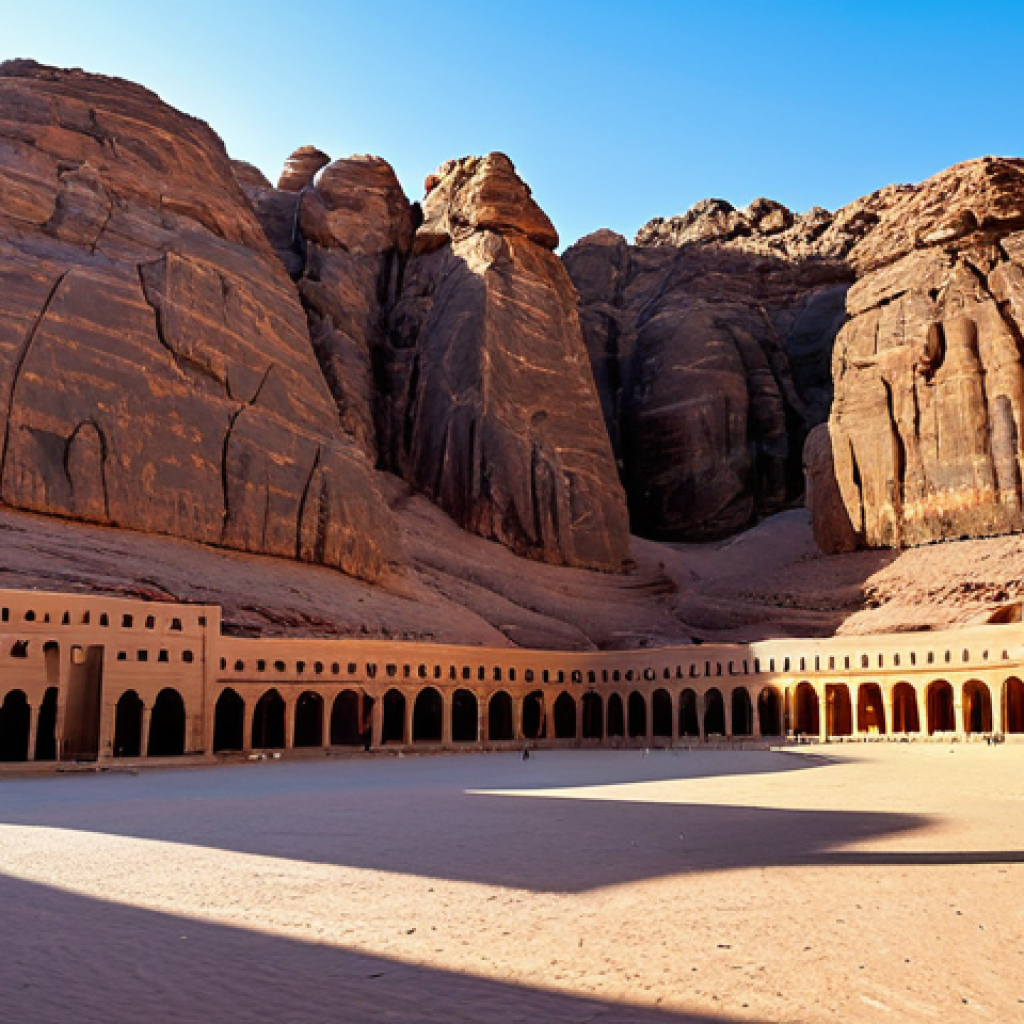
The moderate temperatures of winter make it the perfect time to explore Saudi Arabia’s rich historical heritage. Sites like Al-Ula, with its stunning rock formations and ancient tombs, and Diriyah, the birthplace of the Saudi dynasty, are best visited during this period.
You can wander through these historical wonders without being overwhelmed by the heat, allowing you to fully appreciate their beauty and significance.
2. Red Sea Adventures: Diving and Coastal Delights
The Red Sea coast also becomes particularly inviting during the winter months. The water temperature remains warm enough for swimming and diving, and the weather is perfect for sunbathing and relaxing on the beach.
Whether you’re interested in exploring vibrant coral reefs, spotting exotic marine life, or simply enjoying the tranquility of the coast, winter is an excellent time to experience the Red Sea’s many charms.
Spring and Autumn Splendor: Shoulder Seasons for Savvy Travelers
The shoulder seasons, March-May and September-October, offer a sweet spot for travelers seeking a balance between pleasant weather and fewer crowds. During these months, temperatures are generally warm but not excessively hot, and you’ll find that tourist attractions are less crowded than during the peak winter season.
I once snagged an amazing deal on a desert safari in October, and the weather was absolutely perfect.
1. Desert Blooms: Witnessing the Landscape Come Alive
In the spring, the desert landscape comes alive with wildflowers, transforming the arid terrain into a colorful tapestry. This is a particularly beautiful time to visit the desert regions, as you’ll have the opportunity to witness the landscape in full bloom.
Hiking and camping in the desert are also popular activities during this time.
2. Cultural Festivals: Experiencing Local Traditions
The shoulder seasons also coincide with various cultural festivals and events throughout the country. These festivals offer a unique opportunity to experience Saudi Arabian traditions, music, and cuisine.
Check the local events calendar to see if any festivals coincide with your trip.
Regional Climate Variations: Tailoring Your Trip
It’s important to remember that Saudi Arabia is a vast country, and the climate can vary significantly from region to region. The coastal areas tend to be more humid than the inland desert regions, and the mountainous areas experience cooler temperatures.
1. Hejaz Region: A Milder Coastal Climate
The Hejaz region, along the Red Sea coast, experiences a milder climate than the inland desert regions. The humidity can be high, but the sea breeze helps to moderate the temperatures.
This region is a popular destination for beach lovers and water sports enthusiasts.
2. Najd Region: The Heart of the Desert
The Najd region, in the heart of the Arabian Peninsula, experiences the most extreme temperatures. Summers are scorching hot, and winters can be surprisingly cold, especially at night.
This region is home to Riyadh, the capital city, and offers a glimpse into traditional Saudi Arabian culture.
Dressing for the Desert: Essential Clothing Tips
Regardless of when you visit, it’s important to dress appropriately for the climate. Loose-fitting, lightweight clothing is essential for staying cool in the heat.
Natural fabrics like cotton and linen are ideal, as they allow your skin to breathe. * Sun Protection: Don’t forget to pack a wide-brimmed hat, sunglasses, and sunscreen to protect yourself from the sun’s harmful rays.
* Respectful Attire: While Saudi Arabia has become more relaxed in recent years, it’s still important to dress modestly, especially when visiting religious sites.
Women should avoid wearing revealing clothing and may be required to cover their hair in some areas. * Layering: Even in the summer, it’s a good idea to bring a light jacket or sweater, as the air conditioning in buildings can be quite strong.
Activities and Considerations According to Seasonality
| Season | Months | Temperature Range | Activities | Considerations |
| :————— | :———- | :———————————————— | :———————————————————————— | :—————————————————————————– |
| Winter | Nov – Feb | 15°C – 25°C (59°F – 77°F) | Sightseeing, desert excursions, Red Sea diving, cultural festivals | Pleasant weather, ideal for outdoor activities, popular tourist season |
| Spring & Autumn | Mar-May, Sep-Oct | 25°C – 35°C (77°F – 95°F) | Desert blooms, moderate crowds, comfortable exploring weather.
| Warm but manageable temperatures, fewer crowds than winter, potential for sandstorms |
| Summer | Jun – Aug | 40°C – 50°C+ (104°F – 122°F+) | Indoor activities, limited outdoor exploration unless prepared for the heat | Extreme heat, potential health risks, best to avoid unless heat-adapted |
Making the Most of Your Saudi Adventure
Planning your trip to Saudi Arabia based on the climate and your preferred activities is essential for a memorable and enjoyable experience. Whether you choose to explore the historical sites during the mild winter months, witness the desert blooms in the spring, or brave the heat of the summer, Saudi Arabia has something to offer every traveler.
Having learned through trial and error (and a few sunburns!), I always check the weather forecast and pack accordingly. With careful planning and a sense of adventure, you can unlock the secrets of this fascinating country and create memories that will last a lifetime.
In Conclusion
Exploring Saudi Arabia offers a unique blend of ancient history and modern marvels, but timing is everything. Whether you’re braving the desert heat or enjoying the cool Red Sea breezes, a little planning goes a long way. I hope these insights help you craft an unforgettable adventure in this incredible country. Safe travels!
Good to Know
1. Currency: The official currency is the Saudi Riyal (SAR). Credit cards are widely accepted in major cities, but it’s always a good idea to have some cash on hand for smaller establishments or markets.
2. Language: Arabic is the official language, but English is widely spoken, especially in tourist areas. Learning a few basic Arabic phrases can be a great way to enhance your experience.
3. Transportation: Taxis and ride-sharing services like Uber and Careem are readily available in cities. For traveling between cities, consider using the high-speed Haramain train or domestic flights.
4. Local Customs: Saudi Arabia has a rich cultural heritage. Dress modestly, especially in religious sites. During Ramadan, be mindful of those who are fasting and avoid eating or drinking in public during daylight hours.
5. Emergency Contacts: In case of an emergency, dial 911 for police, ambulance, or fire services. Make sure to have travel insurance and keep important documents, such as your passport and visa, in a safe place.
Key Takeaways
• Best time to visit is from November to February for pleasant weather and outdoor activities.
• Avoid visiting during the summer (June to August) due to extreme heat.
• Consider the Islamic calendar to avoid Hajj, when Mecca and Medina are crowded and expensive.
• Dress modestly and respect local customs.
• Stay hydrated and protect yourself from the sun.
Frequently Asked Questions (FAQ) 📖
Q: I’m not a huge fan of intense heat. When is the most comfortable time to visit Saudi
A: rabia for sightseeing and outdoor activities? A1: If you’re like me and prefer milder weather, aim for November to February. I found that the temperatures during these months are much more bearable, usually ranging from the mid-60s to the low 80s Fahrenheit.
This is perfect for exploring historical sites like Al-Ula or wandering through the vibrant markets of Jeddah. I was actually surprised at how pleasant it was to walk around outdoors without feeling like I was melting!
Plus, there are often cultural festivals and events happening during the winter months, which is a total bonus.
Q: I’m really interested in diving and snorkeling in the Red Sea. When is the best time to visit Saudi
A: rabia for those types of water activities? A2: For diving and snorkeling in the Red Sea, I would recommend visiting between March and May, or September and November.
I discovered that the water temperatures are ideal during these periods, usually in the 70s and 80s Fahrenheit, making for a comfortable and enjoyable experience.
The visibility is also usually excellent. I actually went snorkeling in October and the marine life was absolutely incredible! Keep in mind that the summer months (June-August) can get extremely hot, making it less pleasant to be out on the water.
Q: I’m on a tight budget.
A: re there any times of the year when flights and accommodations in Saudi Arabia are typically cheaper? A3: That’s a smart question! I found that prices for flights and accommodations tend to be lower during the shoulder seasons, which are generally March-May and September-November.
During the peak summer months and around major holidays like Eid, prices can skyrocket. I was looking at flights back in the spring and they were significantly cheaper than during the December holiday season.
So, if you’re flexible with your travel dates, you can definitely save some money by traveling during the shoulder seasons. Plus, the weather is still pretty great then!
📚 References
Wikipedia Encyclopedia
구글 검색 결과
구글 검색 결과
구글 검색 결과
구글 검색 결과
구글 검색 결과