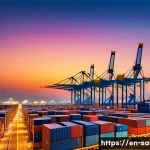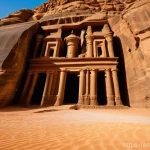
Wow, when we talk about game-changers, few things have reshaped a nation quite like oil has in Saudi Arabia. This isn’t just about a resource; it’s about a complete societal and economic transformation that, in my honest opinion, is one of the most fascinating stories of modern history.
I’ve spent a lot of time looking into how this “black gold” fundamentally altered everything, from towering cityscapes to daily life and global politics.
It’s truly mind-boggling how a liquid pulled from beneath the desert could build an entire kingdom, creating immense wealth and opportunities that were unimaginable just a few decades ago.
But here’s the thing: the world is changing, and so is Saudi Arabia. While oil still forms the backbone of its economy, contributing significantly to government revenue and exports, the country is intensely focused on its ambitious Vision 2030.
This isn’t just a buzzword; it’s a strategic pivot aiming to diversify beyond hydrocarbons, investing trillions into new sectors like tourism, entertainment, technology, and renewable energy.
It’s a huge undertaking, especially when you consider how deeply entrenched the oil industry is, and the journey isn’t without its challenges, including fluctuating oil prices and the global push for decarbonization.
I’ve been following these developments closely, and it’s clear that Saudi Arabia is trying to leverage its oil wealth to secure a sustainable future, even exploring carbon capture technologies and green hydrogen.
They’re building mega-projects like NEOM, aiming to attract global talent and investment, and they’ve even seen impressive growth in their non-oil GDP and women’s workforce participation.
It’s a dynamic period for the Kingdom, full of both immense potential and significant hurdles as they navigate away from almost singular oil dependence.
The question isn’t just what oil has done, but what the future holds as they try to redefine their identity in a post-oil world, all while still being a major global energy player.
Ready to uncover the intricate details of this monumental shift and what it truly means for Saudi Arabia’s future? Let’s dive deeper!
The Black Gold Rush: Unlocking a Kingdom’s Destiny
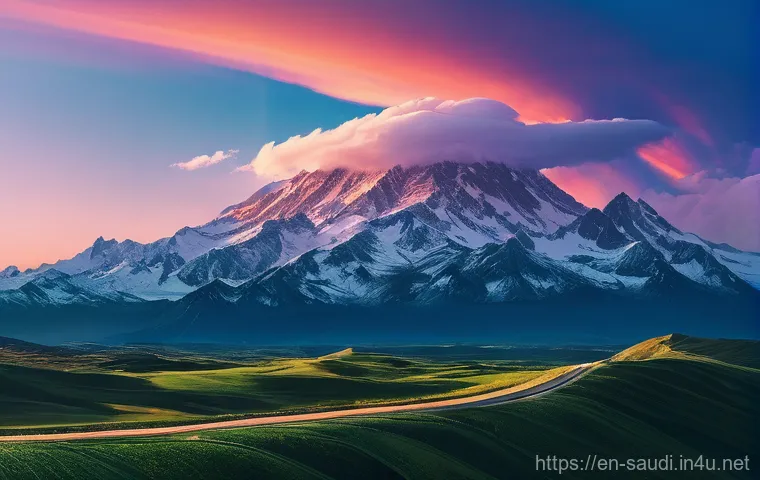
When Oil Became King: A Nation Transformed
It’s truly incredible to look back and see how a single discovery can fundamentally alter the trajectory of an entire nation. Before the vast oil reserves were tapped into, Saudi Arabia was, by and large, a traditional desert society, rich in history and culture, but economically far removed from the global stage.
Then, the discovery of what we now affectionately call “black gold” completely changed the game. It wasn’t just about finding a resource; it was about unearthing an unprecedented level of wealth that allowed the Kingdom to leapfrog decades of development in a remarkably short period.
I remember reading stories about the early days, how the influx of oil revenues paved the way for modern infrastructure – roads, hospitals, schools, and entire cities that seemed to sprout from the desert floor overnight.
It’s hard to imagine the scale of this transformation, where nomadic lifestyles gradually gave way to bustling urban centers, all fueled by the incredible power of petroleum.
The wealth generated from oil allowed for massive investments in education and healthcare, fundamentally improving the quality of life for millions. This wasn’t merely an economic shift; it was a profound societal metamorphosis that redefined what it meant to be Saudi, connecting the Kingdom to the global economy and positioning it as a key player on the world stage.
For generations, oil has been the very heartbeat of Saudi Arabia, shaping its identity and driving its remarkable growth.
A Global Player Emerges: Influence Beyond Borders
The impact of Saudi Arabia’s oil wealth wasn’t confined to its borders; it rapidly elevated the nation to a position of immense geopolitical influence.
As one of the largest oil producers and exporters globally, Saudi Arabia naturally became a central figure in international energy markets. I’ve always been fascinated by how this economic power translated directly into diplomatic leverage and a significant voice in global affairs.
The Kingdom’s role in OPEC, for instance, has been crucial in influencing global oil prices and supply, demonstrating its ability to impact economies worldwide.
This newfound prominence also fostered significant international partnerships and investments, solidifying Saudi Arabia’s standing as an indispensable actor in the global economy.
From supporting regional stability to engaging in major international dialogues, the strategic importance of Saudi oil made Saudi Arabia an undeniable force.
This wasn’t just about selling oil; it was about building a network of relationships and a reservoir of influence that very few nations could rival, ensuring its seat at the table on almost any major global issue.
The sheer scale of its energy reserves provided a foundation for decades of growth and international engagement, shaping not just its own destiny, but also influencing the economic currents across continents.
Vision 2030: A Bold Leap into the Future
The Grand Strategy: Diversifying Away from Oil
Anyone paying attention knows that the world is moving, and Saudi Arabia is moving with it, perhaps even leading the charge in some respects. The concept of Vision 2030 isn’t just a government initiative; it feels like a national rallying cry for a future beyond oil.
Honestly, when I first heard about the ambitious targets, I was both skeptical and incredibly intrigued. How do you fundamentally transform an economy that has been so reliant on a single commodity for so long?
But after diving deeper, I realized this isn’t just a plan; it’s an entire ecosystem of transformation designed to diversify the economy, empower its people, and carve out new global roles for the Kingdom.
It’s a strategic roadmap that aims to reduce reliance on oil by investing trillions into brand-new sectors like tourism, entertainment, technology, manufacturing, and renewable energy.
The goal is to build a vibrant society, a thriving economy, and an ambitious nation. This involves creating millions of new jobs, attracting foreign investment, and fostering a robust private sector.
It’s a massive undertaking, but the clarity of purpose and the sheer scale of the investment are truly staggering. The idea is to leverage the existing oil wealth as a springboard, transforming it into a diverse and sustainable economic engine that can thrive long after the world moves away from fossil fuels.
Igniting New Industries: From Sands to Silicon
One of the most exciting aspects of Vision 2030, in my opinion, is the intense focus on developing entirely new industries. We’re talking about a dramatic shift from oil rigs to tech hubs, from desert landscapes to world-class tourist destinations.
I’ve seen how they’re pouring resources into developing their digital infrastructure, fostering a burgeoning startup scene, and attracting international tech giants.
The emphasis on technology and innovation is palpable, aiming to transform Saudi Arabia into a regional, if not global, leader in various cutting-edge fields.
Think about the potential for smart cities, artificial intelligence, and advanced manufacturing – it’s all part of this grand vision. Furthermore, the tourism and entertainment sectors are experiencing a true renaissance.
From massive theme parks to historical sites being meticulously restored and opened to the world, the aim is to attract millions of visitors annually, injecting billions into the economy.
This isn’t just about economics; it’s about cultural exchange and showcasing the rich heritage of the Kingdom. The goal is to create a dynamic, knowledge-based economy that isn’t just surviving but thriving in a post-oil world, driven by innovation and human capital.
Building Tomorrow: Mega-Projects Redefining the Landscape
NEOM: A Glimpse into the Future City
When we talk about Vision 2030, it’s impossible not to mention NEOM. I mean, seriously, a city built from scratch, pushing the boundaries of what’s possible in urban living?
It sounds like something out of a science fiction novel, but it’s real, and it’s happening. This isn’t just another development; NEOM is designed to be a cognitive city, a living laboratory for innovation, powered by 100% renewable energy, and incorporating cutting-edge technologies in everything from transportation to healthcare.
Imagine a place where cars are obsolete, where AI manages daily life, and where nature is seamlessly integrated with advanced infrastructure. The scale of the ambition is breathtaking, aiming to attract the brightest minds and the most innovative companies from around the globe.
It’s truly an experiment in how humanity can live and work sustainably in the 21st century and beyond. While it’s certainly an enormous undertaking, the very idea of it captures the essence of Saudi Arabia’s forward-thinking approach, proving that they are not just talking about the future, but actively building it, literally from the ground up.
The Red Sea Project and Qiddiya: Tourism Takes Center Stage
Beyond NEOM, the Kingdom is also heavily investing in other monumental projects designed to transform its tourism and entertainment sectors. The Red Sea Project, for instance, is an ultra-luxury tourism destination set along the pristine western coast.
From what I’ve seen, it’s all about sustainable tourism, preserving the natural beauty of the area while offering unparalleled luxury experiences. Think untouched islands, vibrant coral reefs, and exclusive resorts, all developed with an unwavering commitment to environmental protection.
It’s a stark contrast to traditional mass tourism and showcases a commitment to high-value, low-impact development. Then there’s Qiddiya, which is shaping up to be the entertainment capital of the Kingdom, if not the region.
With world-class theme parks, sports facilities, cultural venues, and entertainment districts, Qiddiya is designed to provide diverse leisure options for residents and visitors alike.
These projects aren’t just about attracting tourists; they’re about creating new economic opportunities, fostering local talent, and enriching the lives of Saudi citizens.
They represent a clear signal that Saudi Arabia is serious about becoming a global destination for leisure and entertainment, moving far beyond its traditional identity.
A Society in Flux: Cultural and Social Renaissance
Empowering Women: A New Era of Opportunity
One of the most profound and frankly, inspiring, changes I’ve witnessed in Saudi Arabia is the increasing empowerment of women. It’s a genuine societal shift that’s transforming workplaces, families, and communities.
I remember a time when opportunities were significantly more limited, but now, you see women actively participating in almost every sector imaginable.
From holding prominent government positions to driving their own businesses, the landscape is evolving rapidly. The statistics speak volumes: there’s been an impressive growth in women’s workforce participation, and this isn’t just a token effort.
It’s a fundamental recognition of the talent and potential within half of the population. This empowerment extends beyond the workplace, touching social spheres and contributing to a more inclusive and dynamic society.
It’s thrilling to see these changes unfold, knowing that they are not just economic but are deeply personal and transformative for countless individuals.
This is truly a significant milestone in the Kingdom’s journey towards a more progressive and diversified future.
Cultural Openness and Global Connection
The cultural landscape of Saudi Arabia is also undergoing a remarkable transformation. I’ve noticed a significant push towards greater cultural openness, with international concerts, film festivals, and art exhibitions becoming increasingly common.
This isn’t just about entertainment; it’s about fostering cultural exchange, exposing Saudis to diverse global perspectives, and showcasing Saudi art and culture to the world.
It’s creating a more vibrant and diverse social fabric, challenging preconceived notions and building bridges with other nations. This cultural renaissance is an integral part of Vision 2030, which aims to create a more inclusive and engaging society.
It’s about celebrating Saudi heritage while embracing global influences, creating a unique blend that is both authentic and forward-looking. This openness is a critical component of attracting global talent and investment, making the Kingdom a more welcoming and dynamic place for people from all walks of life.
Navigating the Tides: Challenges and Resilience on the Path Ahead
The Rollercoaster of Oil Prices
While the ambition of Vision 2030 is truly commendable, it would be naive to ignore the inherent challenges. The biggest elephant in the room, even as they diversify, remains the fluctuating price of oil.
I mean, we’ve all seen how volatile the global oil markets can be. Even with diversification efforts gaining traction, oil revenues still form a significant portion of government income and export earnings.
This means that a sudden drop in prices can put pressure on the budget and potentially slow down the pace of these ambitious projects. It’s a constant balancing act, leveraging current oil wealth to fund future non-oil growth, all while navigating the unpredictable nature of global energy demand and supply.
The Kingdom has shown resilience in adapting to these fluctuations, but it remains a critical factor in the speed and scale of their transformation. It’s like trying to build a skyscraper in a strong wind – you need strong foundations and an agile approach.
The Global Green Shift and Decarbonization Pressures
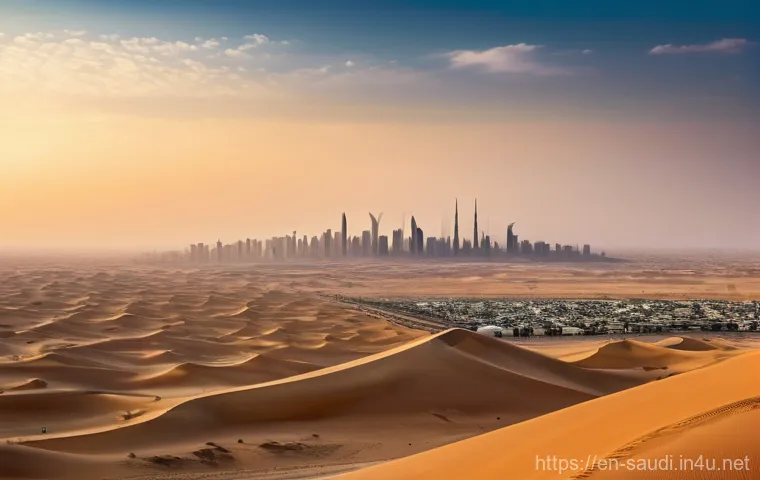
Another significant challenge, and one that is growing in urgency, is the global push towards decarbonization. With climate change at the forefront of international discussions, the world is increasingly looking to reduce its reliance on fossil fuels.
This presents a unique challenge for Saudi Arabia, a nation historically defined by its oil wealth. While Vision 2030 explicitly embraces renewable energy and carbon capture technologies, the transition away from its core economic engine is a monumental task.
The Kingdom is investing heavily in green hydrogen and solar energy, aiming to become a leader in clean energy production, but the path is long and complex.
They need to not only transform their own energy infrastructure but also remain relevant as a global energy player in a rapidly changing world. It’s a delicate dance between maintaining current energy leadership and pivoting aggressively towards a sustainable future, a challenge few nations face on such a grand scale.
The Green Pivot: Embracing a Sustainable Energy Future
Investing in Renewables: Solar and Wind Powering Tomorrow
It’s easy to focus on the oil, but Saudi Arabia is also making significant strides in renewable energy, which I find incredibly exciting. The sun is practically omnipresent in the Kingdom, making solar power an obvious and highly promising avenue.
They are building some truly massive solar farms, and the potential for harnessing this abundant resource is enormous. Beyond solar, there’s a growing interest and investment in wind power, tapping into the strong desert winds.
This isn’t just about reducing emissions; it’s about creating new industries, new jobs, and securing a sustainable energy future for the nation. Imagine a future where the Kingdom, once known for its oil, becomes a global leader in clean energy production.
It sounds audacious, but given the level of commitment and investment, it’s a very real possibility. This shift isn’t just a political statement; it’s an economic imperative, and they are moving with impressive speed to capitalize on their natural advantages in renewable energy.
Beyond Oil: Carbon Capture and Green Hydrogen
The commitment to a greener future extends beyond just solar and wind. Saudi Arabia is also actively exploring and investing in advanced technologies like carbon capture, utilization, and storage (CCUS) and green hydrogen.
For me, seeing a major oil producer invest in these areas shows a real understanding of the global energy transition. CCUS technologies aim to capture carbon dioxide emissions from industrial processes and either store them or use them for other purposes, effectively reducing their environmental impact.
Green hydrogen, produced using renewable electricity to split water, is seen as a crucial clean fuel for the future, with the potential to decarbonize heavy industries and transportation.
The Kingdom is positioning itself to become a major exporter of green hydrogen, leveraging its vast renewable energy potential to produce this clean fuel at scale.
This dual approach – diversifying into renewables while also exploring ways to decarbonize existing industries – highlights a comprehensive strategy for navigating the complexities of the global energy transition.
It’s an ambitious roadmap, but one that could very well redefine Saudi Arabia’s role in the global energy landscape for generations to come.
A Future Forged in Ambition: Saudi Arabia’s New Identity
From Resource-Based to Knowledge-Driven Economy
What truly stands out about Saudi Arabia’s transformation, for me, is the shift in mentality. It’s moving from an economy primarily driven by a single natural resource to one that aspires to be knowledge-driven and innovation-led.
This is a monumental undertaking that requires not just capital, but a fundamental change in education, workforce development, and entrepreneurial spirit.
The focus on developing human capital, empowering youth, and fostering a culture of innovation is palpable. They’re investing heavily in educational reforms, vocational training, and creating pathways for young Saudis to thrive in new industries.
It’s about building a sustainable future by nurturing the minds and talents of its people, rather than solely relying on what lies beneath the desert sands.
This shift implies a move towards a more resilient and adaptable economy, capable of navigating global challenges and seizing new opportunities in a rapidly evolving world.
It’s about building a diversified talent pool that can power the new sectors being developed.
Global Engagement and International Partnerships
The Kingdom isn’t undertaking this transformation in isolation. A crucial part of Vision 2030 involves strengthening global partnerships and fostering international collaboration.
I’ve noticed a significant increase in diplomatic engagement, economic forums, and cultural exchanges, all aimed at attracting global talent, technology, and investment.
This isn’t just about business; it’s about building a global network of allies and partners who can contribute to and benefit from Saudi Arabia’s ambitious journey.
From collaborating on renewable energy projects to forging alliances in the tech sector, the Kingdom is actively seeking to integrate itself more deeply into the global economy.
This outward-looking approach is essential for a nation striving to diversify and expand its influence beyond its traditional strengths. It demonstrates a clear understanding that true progress often comes through collaboration, shared knowledge, and mutual growth on the international stage.
| Vision 2030 Key Pillars | Description | Impact Areas |
|---|---|---|
| Vibrant Society | Enhancing quality of life, promoting culture and entertainment, improving healthcare and education. | Arts & Culture, Sports, Tourism, Public Services |
| Thriving Economy | Diversifying economic base, boosting private sector, creating jobs, attracting foreign investment. | Non-Oil GDP Growth, SME Development, Technology, Manufacturing |
| Ambitious Nation | Strengthening governance, fostering accountability, maximizing government efficiency. | Public Sector Efficiency, Digital Transformation, Sustainable Practices |
The Unfolding Saga: My Hopes for Saudi Arabia’s Next Chapter
A Legacy of Resilience and Innovation
As I reflect on everything Saudi Arabia has achieved and the monumental goals it has set for itself, I can’t help but feel a sense of optimism. This isn’t just a story about oil, but a profound narrative of resilience, adaptation, and an unwavering commitment to shaping its own destiny.
The journey from a desert kingdom to a global energy giant, and now towards a diversified, knowledge-based economy, is a testament to the vision and determination of its leadership and people.
It’s a complex and challenging path, no doubt, with hurdles that will require immense strategic thinking and continuous effort. But the sheer scale of the projects, the focus on empowering its youth, and the embrace of cutting-edge technologies paint a picture of a nation that refuses to be defined by its past alone.
My hope is that this transformative period will not only lead to economic prosperity but also foster a truly vibrant, inclusive, and innovative society that continues to contribute positively to the world stage.
Beyond the Headlines: The Human Element of Transformation
What often gets lost in the grand narratives of economic transformation and mega-projects is the human story behind it all. When I think about Saudi Arabia’s future, I think about the young people I’ve heard about, who are now pursuing careers in technology, tourism, and renewable energy – fields that barely existed for previous generations.
I think about the women who are stepping into leadership roles and contributing their talents in unprecedented ways. This isn’t just about GDP figures or investment portfolios; it’s about the aspirations of millions, the dreams of a new generation, and the evolution of a rich culture adapting to modern demands.
The success of Vision 2030 will ultimately be measured not just in economic metrics, but in the improved quality of life, enhanced opportunities, and increased well-being of its citizens.
It’s a compelling human story unfolding before our eyes, and I genuinely believe that this period of intense change will leave a lasting legacy of a nation that dared to dream big and worked tirelessly to make those dreams a reality.
글을 마치며
As we wrap up our journey through Saudi Arabia’s incredible transformation, it’s clear that we’re witnessing a nation boldly rewriting its future. This isn’t just about economic shifts; it’s a deep societal evolution, propelled by an unwavering vision to build a sustainable, diversified, and globally integrated country. The ambition is truly infectious, and seeing how they’re tackling such monumental challenges with innovative solutions makes you realize this is more than just a plan—it’s a collective dream. My hope is that this journey continues to inspire, showcasing how dedication and foresight can truly redefine a nation’s destiny on the world stage.
알아두면 쓸모 있는 정보
1. Vision 2030 is Saudi Arabia’s comprehensive blueprint for a post-oil economy, focusing on three core pillars: a vibrant society, a thriving economy, and an ambitious nation. It’s designed to diversify income sources, create millions of jobs, and elevate the quality of life for its citizens. This initiative impacts every facet of life, from education to entertainment, and aims to position the Kingdom as a global hub for innovation and business.
2. Mega-projects like NEOM, The Red Sea Project, and Qiddiya are central to Vision 2030’s execution, serving as catalysts for new industries and global tourism. NEOM, for instance, is envisioned as a futuristic cognitive city powered entirely by renewable energy, pushing the boundaries of sustainable urban living and attracting top global talent. These projects are not merely about infrastructure but about establishing new economic ecosystems.
3. Social reforms are a crucial component of this transformation, with significant progress made in empowering women across various sectors. From increased participation in the workforce to enhanced social freedoms, these changes are fostering a more inclusive and dynamic society. This cultural shift is making Saudi Arabia more open and connected to the world, celebrating its heritage while embracing global influences.
4. Saudi Arabia is heavily investing in renewable energy and green technologies, aiming to become a leader in clean energy production, moving beyond its traditional oil identity. Large-scale solar and wind projects are underway, alongside research and development in green hydrogen and carbon capture. This strategic pivot highlights a serious commitment to environmental sustainability and a long-term vision for energy security in a decarbonizing world.
5. The Kingdom is actively fostering international partnerships and attracting foreign direct investment to support its economic diversification. This global engagement extends to technology, tourism, manufacturing, and entertainment sectors, aiming to build a knowledge-driven economy. It’s a deliberate strategy to integrate more deeply into the global economy, leveraging international expertise and capital to achieve its ambitious goals.
중요 사항 정리
Saudi Arabia is in the midst of an unprecedented, intentional transformation driven by its Vision 2030, moving decisively from an oil-dependent economy to a diversified, knowledge-based powerhouse. This ambitious roadmap is being executed through monumental mega-projects and profound societal reforms, particularly the empowerment of women and a push for cultural openness. While navigating challenges like oil price volatility and global decarbonization pressures, the Kingdom is aggressively investing in renewable energy and advanced technologies to secure a sustainable future. It’s a journey marked by resilience, innovation, and a clear vision to redefine its global identity and ensure long-term prosperity for its people.
Frequently Asked Questions (FAQ) 📖
Q: What exactly is Saudi
A: rabia doing to diversify its economy beyond oil? A1: You know, it’s truly remarkable what they’re doing. It’s not just talk; I’ve personally seen the sheer ambition of Vision 2030, and it’s mind-blowing how aggressively they’re pursuing it.
The biggest push, from my perspective, is creating entirely new economic engines, moving away from being solely reliant on that “black gold.” We’re talking about massive investments in sectors like tourism and entertainment.
Think about it: they’re building entire cities and destinations from scratch, like NEOM, the Red Sea Project, and Qiddiya, which are designed to attract millions of visitors and become global hubs for leisure and innovation.
Beyond the glitz, they’re also pouring resources into technology, renewable energy—seriously, green hydrogen is a huge focus—and bolstering their logistics and manufacturing capabilities.
It’s a concerted effort to expand their non-oil GDP, and the numbers are starting to show it, with the non-oil sector contributing a whopping 50% to their real GDP in 2023, which is a record!
They’re really going all-in on creating a thriving, multi-faceted economy.
Q: What are the biggest challenges Saudi
A: rabia faces as it tries to move away from oil? A2: Let’s be real, transitioning an entire nation from something so deeply embedded as oil dependence is no small feat.
I often wonder about the sheer scale of the undertaking. One of the primary challenges, in my honest opinion, is that deep-seated reliance on oil revenue.
While they’re diversifying, oil still forms a huge chunk of their government budget and exports, making them vulnerable to fluctuating global prices. It’s a delicate balancing act, especially with the global push for decarbonization and predictions about “peak oil” looming.
Another massive hurdle is human capital development. They need to ensure their young, rapidly growing population has the skills for these brand-new industries, which means a huge investment in education and vocational training.
Creating enough private sector jobs to absorb this youth bulge, rather than relying on government employment, is a constant pressure. And, of course, the financial cost of these mega-projects and reforms is astronomical, leading to significant budget deficits and increased debt issuance.
It’s a marathon, not a sprint, and they’ve got some serious ground to cover.
Q: How is this transformation actually impacting the everyday lives of Saudi citizens?
A: This is where it gets really fascinating, because the changes aren’t just on paper; you can truly see and feel them in daily life. For young Saudis, it’s a whole new world of opportunity that simply didn’t exist a decade ago.
I’ve heard stories from people working in sectors like entertainment, hospitality, and tech—jobs that were once unimaginable. A truly impressive shift has been the increased participation of women in the workforce; it’s practically doubled since Vision 2030 launched, surpassing their initial target and now aiming even higher.
This isn’t just about economic numbers; it represents profound societal change, with more women pursuing diverse careers and even leading SMEs. Culturally, there’s a definite buzz, with more entertainment options, concerts, sports events, and cultural festivals popping up.
The quality of life initiatives, from improved public transportation to better healthcare and educational facilities, are slowly but surely making a difference.
It feels like the nation is rapidly evolving, giving its citizens, especially the youth, a much more diverse and vibrant future to look forward to.