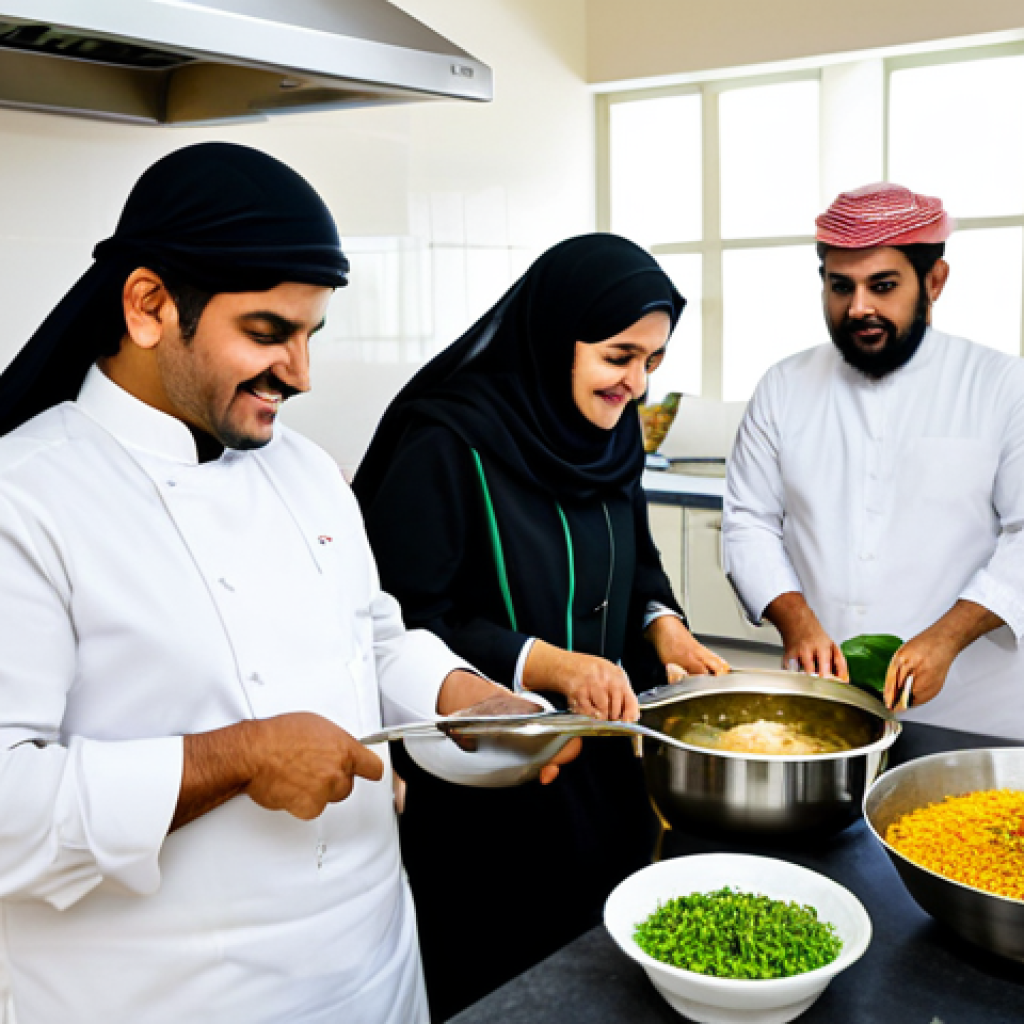
Have you ever craved a taste of adventure so deep it transcends mere sightseeing and lands right on your palate? I know I have! For too long, Saudi Arabian cuisine remained a delightful mystery to many outside the Kingdom, shrouded in the allure of tradition and family secrets.
But lately, there’s been an undeniable buzz, a palpable shift, as the world increasingly embraces cultural exchange through food, transforming how we perceive destinations like Saudi Arabia.
I’ve personally found that the true essence of a culture often lies within its kitchen, a sentiment that resonates powerfully with the growing trend of immersive culinary tourism.
Imagine stepping into a vibrant Saudi home, not just as a visitor, but as an active participant, learning the age-old techniques of Kabsa, Jareesh, or Saleeg from a local expert.
It’s an incredibly intimate and enriching experience, far beyond any restaurant meal. This isn’t just about following a recipe; it’s about understanding generations of heritage, the intricate spice blends, and the warm hospitality that defines Saudi culture.
If you’re yearning for a genuinely authentic cultural dive, one that promises both delicious memories and a deeper understanding of this fascinating land, then these classes are an absolute must.
Let’s get into the specifics.
Embarking on Your Gastronomic Expedition: Why Saudi Culinary Classes Are a Must
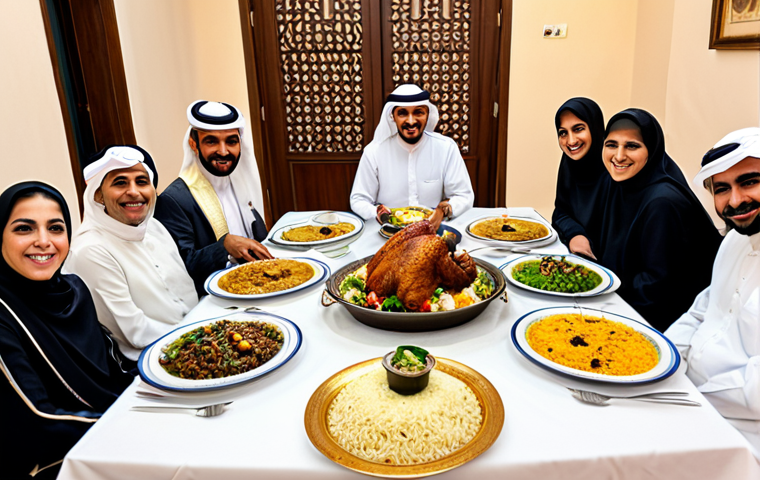
When I first considered exploring Saudi Arabia, my mind, like many others, conjured images of majestic deserts, ancient cities, and vibrant souqs. What I didn’t fully grasp until I was there, however, was the profound role food plays in the very fabric of its society.
It’s not merely sustenance; it’s an extension of hospitality, a narrative of history, and a celebration of community. My own journey into Saudi cuisine began with a humble plate of Kabsa shared with a local family, an experience so deeply personal and flavorful that it ignited a passion within me to learn more.
This isn’t just about cooking; it’s about connecting with a culture on an incredibly intimate level. Opting for a culinary class offers an unparalleled window into Saudi life, allowing you to move beyond the superficial tourist experience and truly immerse yourself in the daily rhythms and heartwarming traditions of the Kingdom.
You’re not just learning a recipe; you’re inheriting a piece of heritage, seasoned with stories and laughter. It’s an adventure that promises not just delicious outcomes, but a profound shift in your understanding of this captivating land.
I felt a genuine sense of accomplishment and connection after my first class, something no amount of dining out could ever replicate.
1. Unlocking Authenticity: Beyond the Restaurant Table
I’ve had the pleasure of dining at some truly exquisite restaurants around the world, but there’s a distinct, almost magical difference when you learn to prepare a dish yourself, especially in its native land.
Restaurants, as wonderful as they are, often streamline processes or adapt flavors for a broader palate. In a Saudi culinary class, you’re not just getting a meal; you’re getting a masterclass in authenticity.
You learn the nuances of spice blending that only grandmothers perfected over generations, the exact tenderness required for a perfectly cooked lamb, and the subtle art of balancing flavors that are often lost in commercial preparation.
My instructors, often local women and men with deep family roots in the culinary arts, didn’t just teach us techniques; they shared anecdotes, family secrets, and the cultural significance behind each ingredient and method.
This direct transmission of knowledge from a local expert, often in a home-like setting, creates an immersive experience that simply cannot be replicated by ordering from a menu.
It’s the difference between looking at a painting and actually holding the brush. I remember the incredible satisfaction of preparing a perfect plate of Saleeg, knowing every step, every ingredient, and the history behind it.
It transformed my appreciation for Saudi food from mere enjoyment to a genuine understanding and respect.
2. The Social Heart of Saudi Cuisine: More Than Just Food
From my perspective, one of the most heartwarming aspects of Saudi culinary classes is the emphasis on communal learning and the rich social context of food preparation.
It’s rarely a solitary activity here; cooking is often a family affair, a time for sharing, laughter, and connection. In these classes, you become part of that experience.
You’ll find yourself chopping vegetables alongside fellow enthusiasts from diverse backgrounds, sharing stories, and laughing at your own culinary missteps.
The atmosphere is often incredibly warm and supportive, fostering new friendships over shared passion for food. This collective engagement transforms the learning process into a truly memorable cultural exchange.
I vividly recall a class where we all worked together to prepare a massive platter of Kabsa, each person responsible for a different element, and the joy on everyone’s faces as we finally sat down to enjoy the fruits of our collective labor.
It wasn’t just a meal; it was a communal triumph, seasoned with newfound camaraderie. This emphasis on togetherness deeply resonated with me, highlighting how food truly serves as the social glue in Saudi culture, bringing people closer with every shared bite.
Deep Dive into Flavors: What You’ll Master in Saudi Kitchens
Stepping into a Saudi kitchen for a culinary class is like unlocking a treasure chest of aromas, textures, and tastes that are profoundly unique and incredibly satisfying.
Before I took my first class, I thought I knew Saudi food from the few restaurants I’d visited abroad, but boy, was I wrong! The true depth and complexity of the local dishes are something you can only fully appreciate when you get your hands dirty, literally.
These classes don’t just teach you to follow a recipe; they impart the wisdom behind traditional cooking methods, the significance of each spice, and the patience required to transform simple ingredients into culinary masterpieces.
You’ll learn that Saudi cuisine is far from monolithic; it boasts a rich regional diversity, from the hearty, rice-based dishes of the central Najd region to the coastal influences of the Hejaz and the lighter, often seafood-infused dishes of the Eastern Province.
Each class offers a specialized glimpse into these regional variations, ensuring a broad and authentic learning experience. For anyone who truly cherishes food as a gateway to culture, this hands-on exploration is absolutely essential, taking you far beyond any superficial understanding.
1. Mastering the Staples: From Kabsa to Jareesh
One of the most exciting aspects of these classes, in my personal experience, is the opportunity to truly master the foundational dishes that define Saudi Arabian home cooking.
Forget about guessing ingredients or proportions; you’ll learn the precise techniques and the secret tips passed down through generations. Take Kabsa, for instance – it’s more than just rice and meat.
It’s about the perfect balance of aromatic spices like cardamom, cinnamon, cloves, and bay leaves, the art of achieving perfectly fluffy rice, and the tenderness of slow-cooked meat.
I remember struggling with Kabsa at home, but after a class, my technique was transformed, and the difference in flavor was astonishing. Then there’s Jareesh, a comforting cracked wheat porridge, often made with lamb or chicken, seasoned with dried lime and various spices – a dish that embodies the soul of Saudi comfort food.
Or Saleeg, a creamy, rice-based dish often compared to risotto, typically served with roasted chicken, which requires a delicate touch and continuous stirring to achieve its signature consistency.
These aren’t just recipes; they are cultural touchstones, and learning to prepare them authentically provides a deep sense of connection to the Saudi way of life.
The joy of finally getting the texture and taste exactly right is a memory I truly cherish.
2. Exploring Regional Delicacies and Sweet Endings
While the staples are essential, the classes also often delve into the delightful world of regional specialties and, of course, the incredibly rich and diverse array of Saudi desserts.
My eyes were truly opened to the variety beyond the well-known. For example, some classes might introduce you to dishes like Thareed, a savory bread and vegetable stew, or Mabshoor, a dish from the Eastern Province featuring fish and rice.
Each region adds its unique flair and ingredients, reflecting its history and geography. And then there are the sweets! Dates, of course, are central, but you’ll learn how they are incorporated into dishes like Ma’amoul, delicate semolina cookies filled with dates or nuts, or the popular Qatayef, sweet dumplings filled with cream or nuts, especially popular during Ramadan.
Preparing desserts like Luqaimat, crispy fried dough balls drizzled with date syrup, was a particular joy for me; the immediate reward of tasting your own creation, still warm, is simply incomparable.
Learning these often intricate but immensely rewarding recipes gives you a comprehensive understanding of the Saudi culinary landscape, ensuring you leave with not just full recipes, but a full heart.
Navigating Your Culinary Journey: What to Expect from a Saudi Cooking Class
When I decided to sign up for my first Saudi cooking class, I was filled with a mix of excitement and a little bit of apprehension. Would I understand the instructions?
What would the environment be like? I quickly learned that the experience is designed to be incredibly welcoming and accessible, regardless of your prior cooking experience.
From the moment you arrive, often greeted with traditional Saudi hospitality – perhaps a cup of Arabic coffee and some dates – you sense that this is going to be more than just a lesson; it’s going to be an experience.
Class sizes are typically intimate, ensuring plenty of one-on-one attention from the instructor, which I personally found incredibly valuable. The focus is always on hands-on learning, encouraging you to get involved at every step, from preparing ingredients to the final plating.
It’s an incredibly interactive and engaging way to learn, far removed from passive demonstrations. For anyone considering this, I highly recommend embracing the full immersion and asking as many questions as you can; the instructors genuinely love sharing their knowledge.
1. Hands-On Experience: From Preparation to Plating
My personal experience in these classes has always been about active participation. It’s not just watching a chef; it’s about doing. You’ll typically start with an introduction to the ingredients, often including a fascinating overview of local spices and their benefits.
Then, it’s time to roll up your sleeves! You’ll be involved in every stage: chopping vegetables, marinating meats, perfecting rice, and mastering the art of traditional bread-making.
I particularly loved the moments when the instructor would guide my hand to show the correct kneading technique for a perfect Khubz (flatbread) or the precise way to layer ingredients for a vibrant salad.
The instructors are incredibly patient and encouraging, making sure everyone feels comfortable and confident. The best part? At the end of the class, you get to sit down and enjoy the feast you’ve collectively prepared.
Sharing a meal that you’ve personally cooked, often with the instructor and fellow classmates, is an incredibly rewarding and satisfying conclusion to the experience.
It reinforces everything you’ve learned and makes the flavors even more profound.
2. Choosing Your Perfect Class: Types and Venues
The great thing about the growing popularity of culinary tourism in Saudi Arabia is the increasing variety of classes available to suit different interests and schedules.
When I was looking, I found options ranging from short, intensive half-day workshops focusing on a single iconic dish, to multi-day immersive programs that delve into various regional cuisines and even include market visits.
You might find classes offered in modern, purpose-built culinary schools, which offer state-of-the-art facilities, or, as I particularly enjoyed, more intimate experiences in traditional Saudi homes, which provide an unparalleled authentic atmosphere.
Some classes even cater to specific dietary needs or interests, like vegetarian Saudi dishes or sweet-making only. It’s worth researching what’s available in the specific city you plan to visit, be it Riyadh, Jeddah, or AlUla, as each region might have unique offerings.
| Class Type | Focus | Typical Duration | Experience Level | Average Price (SAR) |
|---|---|---|---|---|
| Signature Dish Workshop | Mastering one iconic dish (e.g., Kabsa, Saleeg) | 2-3 hours | Beginner-Intermediate | 250-400 |
| Regional Cuisine Immersion | Exploring dishes from a specific Saudi region (e.g., Najd, Hejaz) | 4-6 hours | Intermediate | 450-700 |
| Traditional Sweets & Desserts | Preparing classic Saudi pastries and sweets | 2-3 hours | Beginner-Intermediate | 200-350 |
| Market-to-Table Experience | Includes a market tour to source ingredients + cooking class | 6-8 hours | All Levels | 700-1000 |
Beyond the Kitchen: The Cultural Resonance of Saudi Food
My journey into Saudi culinary arts revealed something truly profound: food in Saudi Arabia is intrinsically linked to its cultural identity and a deep-rooted sense of generosity.
It’s not just about the ingredients or the cooking methods; it’s about the stories, the traditions, and the values that are shared around the dining table.
I found myself not just learning recipes, but gaining a richer understanding of Saudi customs, social etiquette, and the importance of family bonds. This deeper cultural dive is, for me, the true magic of these classes.
It transforms a simple meal into a profound cultural exchange, fostering a respect and appreciation that goes far beyond any superficial understanding of the region.
If you’re looking to truly connect with the heart and soul of Saudi Arabia, embracing its culinary traditions is an absolute must.
1. Food as a Language of Hospitality and Generosity
In my travels, I’ve rarely encountered hospitality as genuine and pervasive as in Saudi Arabia, and it is undeniably expressed through food. Attending a cooking class often means experiencing this firsthand.
Your instructors will not only teach you to cook but will also share insights into the significance of serving tea and dates to guests, the etiquette of communal dining, and the warmth of inviting strangers to share a meal.
I personally found myself mesmerized by the sheer generosity of spirit. The act of sharing a meal, especially one you’ve helped prepare, creates an immediate bond.
It’s an unspoken language of welcome, warmth, and inclusion that transcends any language barrier. This experience made me realize that Saudi food isn’t just about delicious flavors; it’s about nourishing relationships and fostering community, a lesson that extends far beyond the kitchen.
It’s truly beautiful to witness and be a part of.
2. Bridging Worlds: Culinary Diplomacy and Connection
For me, a Saudi culinary class was a powerful exercise in cultural diplomacy. As a visitor, it offered me a direct, unfiltered glimpse into everyday life and traditions, breaking down preconceived notions and building bridges of understanding.
Sharing food, especially through the act of creating it together, fosters an incredible sense of connection. You learn about the rhythm of daily life, the significance of celebrations, and the values that shape Saudi society, all through the lens of its vibrant cuisine.
It’s a sensory journey that educates, enlightens, and leaves you with a much deeper appreciation for the Kingdom’s rich heritage. I walked away not only with new recipes but with a newfound respect and affection for the people and their culture, feeling more connected to Saudi Arabia than I ever anticipated.
This human-to-human interaction, centered around the universal joy of food, is truly transformative.
Crafting Unforgettable Memories: Making the Most of Your Saudi Culinary Adventure
My personal philosophy when traveling is to seek out experiences that transform mere sightseeing into genuine engagement, and Saudi culinary classes undoubtedly fall into this category.
To truly maximize the return on your investment – not just financially, but in terms of personal enrichment and unforgettable memories – it’s crucial to approach these classes with an open mind and a willingness to immerse yourself fully.
From my own adventures, I can confidently say that the more you put into the experience, the more you will get out of it, both in culinary skills and cultural understanding.
These aren’t just workshops; they’re doorways to a deeper connection with a remarkable culture.
1. Preparation and Engagement: Maximizing Your Learning
To truly get the most out of your Saudi cooking class, I highly recommend doing a little bit of homework beforehand. Familiarize yourself with some basic Saudi dishes and common ingredients, which will help you better appreciate the lessons.
During the class itself, be curious! Ask questions about the history of the dishes, the regional variations, and even tips for sourcing authentic ingredients back home.
I found that instructors were always delighted to share more once they saw genuine interest. Don’t be afraid to get your hands dirty, make mistakes, and laugh at them.
The hands-on aspect is where the real learning happens, and actively participating in every step, from chopping to seasoning, will embed the techniques in your memory far better than simply observing.
Embrace the communal spirit and interact with your fellow classmates; you might learn fascinating insights from their perspectives too.
2. Bringing the Flavors Home: Sustaining Your Culinary Journey
The experience doesn’t have to end when the class is over. One of the most rewarding parts, for me, has been the ability to recreate those incredible Saudi flavors in my own kitchen.
Make sure to take detailed notes during the class – jot down not just ingredients and steps, but also the little tips and tricks the instructors share.
Ask about specific spice blends or where you might find particular ingredients in your home country. Many instructors are also happy to recommend specific brands or online resources.
I also suggest taking plenty of photos or even short videos (with permission, of course) to jog your memory later. The true joy lies in being able to share these newly acquired skills and dishes with friends and family back home, allowing them to experience a taste of Saudi Arabia and perhaps inspiring them to embark on their own culinary adventure.
It’s a fantastic way to keep the memories alive and continue your connection to this fascinating culture.
Wrapping Up
As my culinary journey through Saudi Arabia unfolded, I discovered that these classes are far more than just a lesson in cooking; they are an invitation to truly connect with the heart of a vibrant culture. The flavors, the aromas, the laughter shared over a communal meal – these are the threads that weave an unforgettable tapestry of memories. I left not only with a repertoire of delicious Saudi dishes I can now confidently prepare, but also with a profound appreciation for the Kingdom’s rich traditions and incredibly warm hospitality. If you’re seeking an experience that nourishes both your palate and your soul, immersing yourself in a Saudi culinary class is an absolute must.
Useful Information
1. Book in Advance: Popular culinary classes, especially those in traditional homes or with renowned chefs, can fill up quickly. It’s always best to book your spot online or through a trusted tour operator well in advance of your trip to secure your preferred date and time.
2. Dress Code: While cooking, comfort is key. However, out of respect for local customs, opt for modest clothing that covers your shoulders and knees. Loose-fitting attire will also be more comfortable in the kitchen environment.
3. Communicate Dietary Needs: If you have any allergies, dietary restrictions (e.g., vegetarian, gluten-free), or specific preferences, inform the class organizer beforehand. Many instructors are happy to adapt recipes or offer alternatives to ensure everyone can participate and enjoy.
4. Embrace the Experience: Come with an open mind and a willingness to learn. Don’t be afraid to ask questions, interact with your instructor and fellow classmates, and get hands-on. The more engaged you are, the richer your cultural and culinary insights will be.
5. Local Currency & Tipping: Most classes will accept credit card payments, but it’s always good to have some Saudi Riyals (SAR) on hand for small purchases or if you wish to tip your instructor (though not strictly required, it’s always appreciated for exceptional service).
Key Takeaways
Saudi culinary classes offer an authentic, hands-on immersion into the Kingdom’s rich gastronomic heritage, moving beyond typical tourist experiences. You’ll master iconic dishes, explore diverse regional flavors, and learn from local experts, often in intimate, home-like settings. These classes are more than just cooking lessons; they are profound cultural exchanges, highlighting Saudi hospitality, building connections through shared meals, and leaving you with lasting memories and a deeper appreciation for the country’s vibrant traditions.
Frequently Asked Questions (FAQ) 📖
Q: Okay, so this sounds incredible, but seriously, how does one even begin to find these authentic cooking classes in Saudi
A: rabia? Are they just listed online somewhere, or is it more of an ‘in the know’ kind of thing? A1: That’s such a fair question, and honestly, it’s one I wrestled with initially!
You might not find them plastered on every major travel site just yet, and that’s actually part of their charm. Many of these truly authentic experiences, the ones hosted in homes, often come through word-of-mouth or by connecting with smaller, specialized local tour operators who focus on cultural immersion rather than just standard sightseeing.
I’ve had the best luck reaching out to boutique travel agencies that specifically cater to experiential tourism in the region. They have the local connections and often work directly with families or community initiatives.
Sometimes, even your hotel concierge, if it’s a well-regarded one with a focus on local culture, can point you in the right direction. It’s not always a click-and-book scenario, but that little extra effort?
Absolutely worth it for the genuine connection you forge.
Q: You mentioned these classes are ‘far beyond any restaurant meal.’ Can you really elaborate on that? What’s the practical difference for someone who just wants to learn a few dishes – is it truly that much more immersive?
A: Oh, absolutely! And let me tell you, it’s a night and day difference. A restaurant kitchen, while professional, often feels like a sterile environment designed for efficiency.
In a home-based class, you’re not just learning a recipe; you’re often drawn into the rhythm of a Saudi household. I remember one time, we were making Saleeg, and the grandmother, who spoke very little English, was gesturing with such warmth, showing us how to gently stir the rice, explaining through smiles and hand movements the importance of patience.
It wasn’t about perfect measurements; it was about feeling the texture, smelling the aromas, sharing stories. You’re peeling vegetables alongside family members, learning little tricks passed down generations – things you’d never pick up in a professional setup.
It’s the shared laughter, the spontaneous discussions about family traditions, the feeling of being truly welcomed into their space that elevates it from a cooking lesson to a genuine cultural exchange.
It leaves you feeling like you’ve gained new friends, not just new skills.
Q: Beyond the delicious food (which, let’s be honest, is a huge draw!), what’s the deeper cultural ‘takeaway’ from these experiences?
A: re they suitable for solo travelers or families, and is there anything specific I should know before booking? A3: You hit the nail on the head – the food is definitely a massive perk!
But the real magic, for me, is the incredible window it opens into Saudi hospitality and daily life. You start to grasp the nuances of shared meals, the significance of specific ingredients, and the deep-rooted pride in their heritage.
I’ve found that these classes break down so many preconceptions you might have about the region; you experience firsthand the warmth and generosity that truly define the people.
They’re absolutely fantastic for solo travelers looking for genuine connection, and they’re especially wonderful for families too. Imagine your kids helping knead dough or learning about spices – it’s an educational experience that transcends textbooks.
As for what to know before booking, I’d suggest being open to a less ‘structured’ experience than you might be used to; it’s more organic and fluid. Also, embrace the possibility of communication through gestures and smiles, especially if your host’s English isn’t perfect – that’s often where the most beautiful, authentic moments happen.
Just go in with an open heart and an empty stomach, and you’ll come away with memories richer than any dish.
📚 References
Wikipedia Encyclopedia
구글 검색 결과
구글 검색 결과
구글 검색 결과
구글 검색 결과
구글 검색 결과