
If you’re anything like me, you’ve probably heard the buzz about Saudi Arabia’s incredible transformation. But let me tell you, it’s more than just buzz – it’s a full-blown revolution, especially in the IT and startup world!
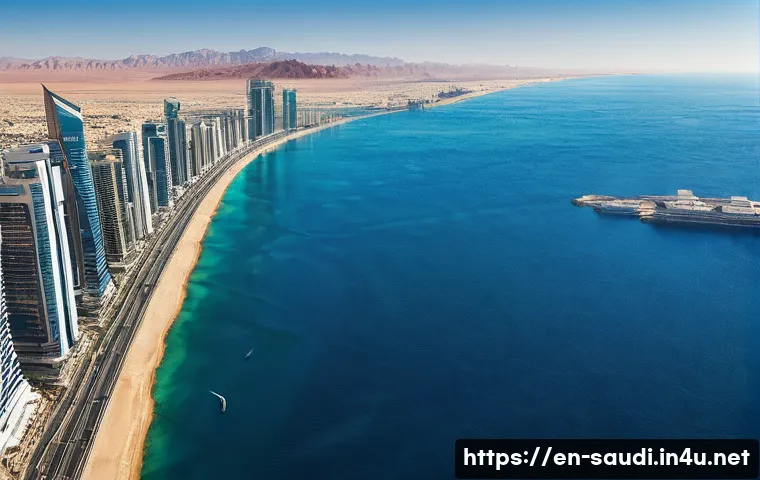
From my vantage point, keeping a pulse on global tech trends, I’ve seen firsthand how Vision 2030 isn’t just a government blueprint; it’s igniting a wildfire of innovation across the Kingdom.
We’re talking about a landscape where ambitious initiatives are pouring billions into AI, cloud infrastructure, and even futuristic smart cities like NEOM.
It’s truly a dynamic environment where everything from fintech solutions to sustainable tech is finding fertile ground, attracting not just local talent but global players too.
If you thought Silicon Valley was the only place making waves, think again; the energy here is absolutely contagious, fostering a vibrant ecosystem that’s rapidly becoming a powerhouse for entrepreneurial dreams.
Honestly, the sheer scale and speed of development have consistently blown me away, and it feels like we’re only just scratching the surface of what’s possible.
Let’s delve deeper and uncover exactly what’s making this region a global tech hotspot.
The Vision 2030 Catalyst: Fueling a Digital Future
Honestly, when I first started tracking Vision 2030 a few years back, I knew it was ambitious, but the sheer scale of its impact on the IT and startup landscape has consistently exceeded my expectations. It’s not just a set of economic goals; it’s a complete national reframing, meticulously designed to pivot Saudi Arabia from an oil-dependent economy to a vibrant, diversified tech powerhouse. The government’s strategic investments are truly mind-boggling, pouring billions into foundational digital infrastructure, advanced technologies, and human capital development. This isn’t just about creating jobs; it’s about fundamentally reshaping the way business is done, how people live, and where innovation originates. I’ve seen this strategy actively manifest in incredible initiatives, from massive data centers springing up to comprehensive digital literacy programs reaching every corner of the Kingdom. What truly impresses me is the top-down commitment that filters through every level, creating an environment where taking calculated risks in tech is not just encouraged, but actively celebrated. It’s this deep-seated belief in a digital future that sets the stage for everything else we’re seeing. The ripple effect of this commitment is palpable, attracting not only global tech giants looking to establish a footprint but also fostering a burgeoning local entrepreneurial spirit that is simply electric.
Strategic Pillars Driving Digital Transformation
The core of Vision 2030’s digital strategy rests on several key pillars that are meticulously integrated. We’re talking about massive investments in cloud computing infrastructure, AI research and development, and cybersecurity. From my vantage point, these aren’t just buzzwords; they represent the foundational elements upon which a sustainable digital economy can be built. For instance, the push for local cloud regions is a game-changer, ensuring data residency and lower latency, which is crucial for sensitive industries like finance and healthcare. It feels like every month there’s a new announcement about a strategic partnership with a global tech leader to accelerate these initiatives. This isn’t just about importing technology; it’s about building local capabilities and ensuring knowledge transfer, which I believe is absolutely essential for long-term success. The strategic foresight behind these pillars is genuinely impressive, creating a robust framework for rapid and sustained growth. It makes me optimistic about the quality of digital services and products that will emerge from this region.
Government-Backed Initiatives: More Than Just Funding
It’s one thing for a government to allocate funds, but it’s another entirely to create an ecosystem that truly nurtures innovation. Vision 2030 goes far beyond just providing capital; it’s actively creating policies and regulatory frameworks designed to facilitate growth. Think about initiatives like the National Digital Transformation Program or the various regulatory sandboxes for fintech companies. These aren’t just bureaucratic hurdles; they are platforms designed to test and scale new technologies responsibly. I’ve personally spoken with founders who rave about the accessibility of government support and the willingness of regulators to engage and adapt. This kind of collaborative approach between the public and private sectors is what truly differentiates Saudi Arabia’s strategy. It fosters an environment of trust and mutual understanding, which is incredibly rare and powerful. The government isn’t just an investor; it’s a proactive partner, constantly seeking feedback and iterating on its approach to ensure the digital transformation stays on track and responsive to market needs. This hands-on, supportive approach significantly de-risks entrepreneurship within the Kingdom.
NEOM and Smart Cities: Beyond Imagination
Okay, let’s talk about NEOM. Seriously, every time I hear an update about it, my jaw drops a little more. It’s not just a city; it’s an entire region designed from the ground up to be a living laboratory for future technologies and sustainable living. From my perspective, NEOM represents the ultimate expression of Vision 2030’s ambition to leapfrog traditional development models. We’re talking about a place where AI manages traffic, where renewable energy powers everything, and where advanced robotics augment human capabilities. It’s a bold vision, and frankly, some initially doubted its feasibility. However, seeing the concrete progress and the caliber of global talent and companies flocking to contribute, it’s clear this is becoming a reality. The Line, Oxagon, Trojena – each component is pushing the boundaries of urban design and technological integration. It’s an incredibly exciting prospect, not just for Saudi Arabia, but for the entire world, as it promises to deliver blueprints for how humanity can thrive sustainably in the future. The sheer audacity and commitment to innovation involved in NEOM is something I genuinely admire, and I believe it will be a cornerstone of global tech innovation for decades to come.
The Line: A Blueprint for Future Urban Living
When I first heard about The Line, I’ll admit I was skeptical. A 170-kilometer-long, mirror-clad linear city where cars are non-existent and everything is within a five-minute walk? It sounded like science fiction. But after diving deeper into the plans and seeing the foundational work underway, I’ve realized it’s a revolutionary approach to urban planning that tackles some of the biggest challenges facing modern cities: pollution, congestion, and inefficient infrastructure. The reliance on vertical farming, renewable energy, and hyper-connectivity through advanced IoT and AI is truly groundbreaking. From a tech influencer’s standpoint, this is an incredible case study in applying cutting-edge technology to everyday life on a massive scale. Imagine living in a city where your commute is practically eliminated, and green spaces are always just steps away. It’s a bold experiment in human-centric design, and if successful, it could redefine what we expect from urban environments globally. The focus on sustainability and liveability, powered by smart tech, makes The Line a truly fascinating development to watch.
Oxagon and Trojena: Specializing in Innovation
Beyond The Line, NEOM’s other key regions, Oxagon and Trojena, further underscore the focused approach to innovation. Oxagon, the floating industrial city, is designed to be a hub for advanced and clean industries, leveraging automation, robotics, and circular economy principles. This is where I see immense potential for sustainable manufacturing, logistics, and research that could revolutionize global supply chains. It’s a strategic move to attract businesses that are committed to environmental responsibility and technological advancement. Trojena, on the other hand, is carving out a niche in adventure tourism and mountain sports, but even here, technology plays a crucial role in creating unique experiences and sustainable infrastructure. Think about AI-powered climate control, advanced snow-making technologies, and immersive digital experiences. What strikes me is how these specialized zones are not just about building new places, but about creating entirely new economic models and lifestyles, all underpinned by an unwavering commitment to cutting-edge technology and environmental stewardship. It’s truly inspiring to see such a holistic approach to development.
Startup Ecosystem Flourishes: Incubators and Investment
It’s incredible to witness the transformation of Saudi Arabia’s startup landscape. Just a few years ago, the ecosystem was nascent, but now, it’s absolutely buzzing with energy, ideas, and a growing influx of both local and international investment. I’ve been tracking global startup trends for years, and what I’m seeing here is a deliberate and successful effort to foster entrepreneurship. From government-backed accelerators like King Abdullah University of Science and Technology (KAUST) Innovation to a growing number of private incubators and venture capital firms, the support structure for aspiring founders is becoming incredibly robust. This isn’t just about big government projects; it’s about empowering individuals to build their dreams. I’ve personally met young Saudi entrepreneurs who are tackling everything from fintech solutions to sustainable agriculture, driven by a genuine passion to solve local and global problems. The increase in seed funding and Series A rounds is a clear indicator that investors, both local and international, are recognizing the immense potential within this rapidly expanding market. It’s a truly exciting time to be an entrepreneur in the Kingdom, with resources and mentorship becoming increasingly available. The rapid maturation of this ecosystem is a testament to the focused efforts and strategic investments being made.
Venture Capital and Funding Opportunities
The flow of venture capital into Saudi Arabian startups has reached unprecedented levels, and it’s a trend I believe will only accelerate. The Public Investment Fund (PIF) plays a massive role, not only investing directly but also establishing funds of funds that back local and regional VCs. This strategic deployment of capital creates a multiplier effect, encouraging private investors to jump in. What’s truly exciting is the diversification of funding; it’s not just tech, but also sectors like healthcare, education, and entertainment that are attracting significant investment. I remember being at a tech summit last year, and the buzz around funding opportunities was palpable. Founders were actively connecting with investors, and the deal flow was incredibly high. This robust funding environment is a critical factor in enabling startups to scale rapidly, experiment with new technologies, and attract top talent. It’s creating a virtuous cycle where success stories inspire new entrepreneurs, further fueling the ecosystem’s growth. The increasing number of successful exits and IPOs will only further solidify investor confidence and attract even more capital.
Incubators, Accelerators, and Mentorship Programs
Beyond the funding, the structured support from incubators and accelerators is proving invaluable for early-stage startups. Programs like those at Misk Innovation or Flat6Labs Riyadh are providing not just office space and seed capital but also critical mentorship, workshops, and networking opportunities. From my experience, having access to seasoned entrepreneurs and industry experts can make all the difference between success and failure in the early days. These programs are helping founders refine their business models, navigate regulatory landscapes, and connect with potential customers and partners. I’ve seen firsthand how a well-structured accelerator can transform a raw idea into a viable business in a matter of months. The emphasis on practical skills, market validation, and pitching to investors is preparing a new generation of entrepreneurs to thrive. It’s a holistic approach that recognizes that money alone isn’t enough; startups need guidance, community, and access to a supportive network to truly flourish. The growth of these support systems is a clear indicator of the ecosystem’s maturing health.
Talent Development: Nurturing the Next Generation of Innovators
One of the most impressive aspects of Saudi Arabia’s tech transformation, from my perspective, is the intense focus on human capital development. It’s clear that the leadership understands that technology can only thrive where there’s a skilled workforce to innovate, build, and maintain it. We’re seeing massive investments in education, vocational training, and upskilling programs specifically tailored to the demands of the digital economy. Initiatives like Tuwaiq Academy, which focuses on coding and advanced tech skills, are churning out highly capable graduates ready to jump into the startup world or contribute to large enterprises. What truly strikes me is the emphasis on local talent, encouraging young Saudis to pursue careers in cutting-Fi technology. This isn’t just about importing expertise; it’s about building a sustainable local talent pool that can drive innovation from within. The commitment to empowering youth, especially women, in STEM fields is particularly inspiring. It feels like a genuine effort to unlock the full potential of the nation’s human resources, recognizing that a diverse and skilled workforce is the ultimate competitive advantage in the global tech race. This strategic investment in people is, in my opinion, the most critical ingredient for long-term success.
Empowering Youth Through Tech Education
The dedication to tech education for the younger generation is something I genuinely admire. Universities are revamping their curricula to include more data science, AI, cybersecurity, and software engineering courses, often in collaboration with global tech giants. Beyond formal education, there’s a strong push for coding bootcamps, online learning platforms, and hackathons that engage students from an early age. I’ve seen some incredible projects come out of these youth programs, showcasing a level of creativity and technical proficiency that rivals anywhere in the world. This proactive approach ensures that young Saudis are not just consumers of technology but creators and innovators. It instills a sense of curiosity and problem-solving from a young age, which is absolutely vital for a thriving tech ecosystem. The energy and enthusiasm of these young minds are contagious, and it truly makes me optimistic about the future of innovation coming out of the Kingdom. They are being equipped with the tools and mindset to not just participate in the digital economy but to lead it.
Attracting and Retaining Global Talent
While nurturing local talent is paramount, Saudi Arabia is also making significant strides in attracting and retaining global expertise. The ambitious projects like NEOM and the broader tech sector are creating highly attractive career opportunities that are drawing professionals from around the world. I’ve noticed an increasing number of my international contacts in the tech space considering moves to Riyadh or Jeddah, drawn by the scale of the projects, competitive salaries, and the chance to be part of something truly transformative. The government is also streamlining visa processes and creating more welcoming environments for expatriates. This blend of local talent development and international expertise is crucial for cross-pollination of ideas and accelerating growth. It ensures that the Kingdom benefits from diverse perspectives and cutting-edge global knowledge while simultaneously building its own inherent capabilities. This dual approach is smart and strategic, ensuring a dynamic and highly capable workforce that can compete on the global stage.
Key Tech Sectors on the Rise: AI, Fintech, and Green Tech
From my vantage point, the sheer breadth of technological innovation happening across various sectors in Saudi Arabia is truly fascinating. While the focus on diversifying the economy is broad, certain tech sectors are clearly experiencing explosive growth and attracting significant investment. AI, for instance, isn’t just a buzzword here; it’s a foundational element for everything from smart city management to healthcare diagnostics. I’ve witnessed the establishment of national AI strategies and research centers that are truly pushing the boundaries of what’s possible. Fintech is another area where I’ve seen incredible momentum. The move towards a cashless society, the rise of digital payment solutions, and the increasing adoption of blockchain technology for secure transactions are transforming the financial landscape. Then there’s Green Tech, which is naturally a huge priority given the Kingdom’s focus on sustainability and renewable energy. Companies are innovating in areas like solar power efficiency, water desalination, and waste management, showcasing a commitment to environmental stewardship through technological advancement. It’s an exciting time to watch these sectors mature and contribute significantly to both the local economy and global innovation. The integration of these technologies across various industries is what truly makes this transformation so impactful.
The AI and Cloud Computing Revolution
The embrace of Artificial Intelligence and cloud computing is nothing short of revolutionary in Saudi Arabia. I’ve seen massive data centers being built, cloud regions from global giants establishing a presence, and an aggressive push for AI integration across government services and private enterprises. This isn’t just about efficiency; it’s about unlocking new capabilities and creating entirely new industries. Think about how AI is being used in predictive maintenance for industrial assets, optimizing logistics for e-commerce, or even personalizing educational content. The investment in AI research and development is also significant, with collaborations between universities and tech companies fostering a strong innovation pipeline. What excites me most is the potential for AI to address unique local challenges, creating solutions that can then be exported globally. This deep commitment to AI and robust cloud infrastructure is a clear indicator that Saudi Arabia is positioning itself as a leader in the next wave of digital transformation. It feels like every aspect of life is being touched by these advancements, from the way we commute to how we manage our finances.
Fintech Innovations Transforming Financial Services
If you’re into financial technology, Saudi Arabia is definitely a place to watch. The fintech sector is absolutely booming, driven by a young, digitally native population and a government keen on modernizing its financial services. I’ve seen an explosion in digital payment solutions, mobile banking apps, and innovative lending platforms. The regulatory sandbox established by the Saudi Central Bank (SAMA) has been instrumental in allowing fintech startups to test their ideas in a controlled environment, accelerating their time to market. This proactive approach has led to a surge in companies offering everything from Sharia-compliant investment platforms to personalized budgeting tools. The push towards a cashless society is also creating immense opportunities for digital wallets and contactless payment solutions. What’s more, blockchain technology is being explored for various applications, including cross-border payments and digital identities. It’s a dynamic environment where innovation is not just tolerated but actively encouraged, making financial services more accessible, efficient, and secure for everyone. This growth is truly changing the way people interact with their money.
Global Partnerships and Investment Flow: A Magnet for Capital
It’s fascinating to observe how Saudi Arabia has positioned itself as a global magnet for investment, particularly in the tech sector. The transformation isn’t happening in isolation; it’s deeply intertwined with strategic international partnerships and a welcoming environment for foreign direct investment. I’ve seen major global tech companies like Amazon, Google, and Microsoft significantly expanding their presence and establishing regional headquarters, drawn by the sheer scale of the market and the government’s commitment to digital transformation. This influx of international players brings not only capital but also critical expertise, advanced technologies, and global best practices, which are invaluable for accelerating local development. The Public Investment Fund (PIF) also plays a monumental role, acting as a global investor in leading tech companies worldwide, which in turn creates reciprocal interest and opportunities for collaboration within the Kingdom. From my perspective, this proactive engagement with the global tech community is a cornerstone of Vision 2030’s success, ensuring that Saudi Arabia remains connected to the cutting edge of innovation. The level of trust and collaboration being built is truly impressive, creating a win-win situation for all involved.
Attracting Foreign Direct Investment in Tech
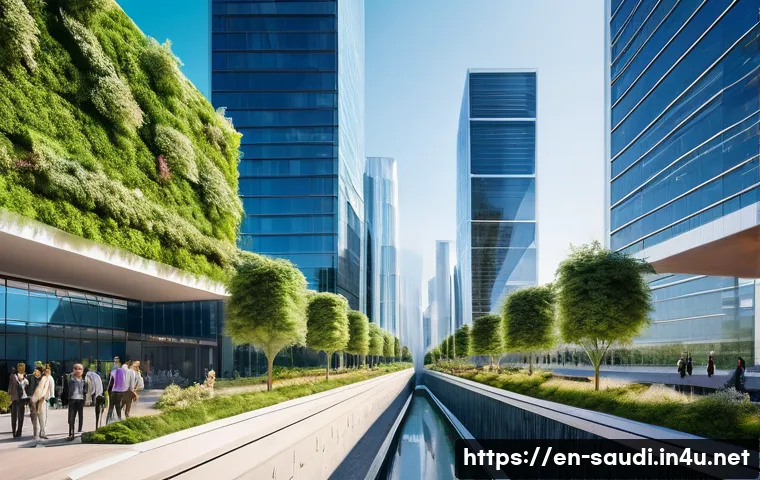
The efforts to attract foreign direct investment (FDI) into the Saudi tech sector are truly paying off. The government has implemented policies and incentives designed to make it easier and more attractive for international companies to set up shop and invest. This includes streamlined business registration processes, tax incentives, and the creation of special economic zones focused on technology. I’ve seen firsthand how these measures are translating into tangible results, with an increasing number of global tech giants choosing to establish significant operations within the Kingdom. This isn’t just about market access; it’s about participating in the ground-up development of a new digital economy. The stability and long-term vision provided by Vision 2030 offer a compelling proposition for international investors looking for growth opportunities. The impact of this FDI is immense, bringing in not only capital but also jobs, advanced technologies, and a transfer of knowledge that is accelerating the development of the local tech ecosystem. It’s creating a truly vibrant and competitive environment that benefits everyone.
Strategic Alliances with Global Tech Leaders
One of the most strategic moves I’ve observed is Saudi Arabia’s approach to forming alliances with leading global tech companies. These aren’t just transactional relationships; they’re deep partnerships focused on co-innovation, joint ventures, and long-term development. Whether it’s collaborations on cloud infrastructure, AI research, cybersecurity, or even smart city technologies, these alliances are bringing world-class expertise to the Kingdom. I’ve heard directly from executives at these global firms about their excitement to contribute to projects like NEOM and to tap into the burgeoning Saudi market. These partnerships are instrumental in accelerating the pace of digital transformation, allowing Saudi Arabia to leverage proven technologies and best practices while also developing its own unique solutions. It’s a testament to the Kingdom’s strategic vision that it can attract and sustain such high-level collaborations, positioning itself not just as a consumer of technology but as a significant contributor to global innovation. These alliances are truly shaping the future of tech in the region and beyond.
Everyday Impact: How Tech is Changing Saudi Lives
Beyond the grand projects and massive investments, what truly resonates with me is how technology is profoundly impacting the everyday lives of people in Saudi Arabia. This isn’t just about economic metrics; it’s about tangible improvements in convenience, accessibility, and quality of life. From the seamless experience of ordering groceries through a myriad of delivery apps to the efficiency of government services accessible via sophisticated digital platforms, technology is making daily routines smoother and more enjoyable. I’ve spoken with countless individuals who rave about how digital banking has simplified their finances or how telehealth services have made healthcare more accessible, especially in remote areas. This focus on improving citizen experiences through technology is a core tenet of Vision 2030, and it’s a testament to the human-centric approach to digital transformation. It’s truly inspiring to see how technology is bridging gaps, empowering individuals, and creating a more connected and efficient society. The positive feedback loop from these everyday improvements further fuels the drive for innovation, creating a dynamic environment where tech isn’t just an industry but a fundamental enabler of better living. It feels like every aspect of life is becoming more streamlined and integrated.
Digital Services and Enhanced Public Life
The push for digital government services has been a game-changer for public life in Saudi Arabia. I’ve personally seen how platforms like Absher have revolutionized the way citizens and residents interact with government agencies, making services like visa applications, driving license renewals, and civil registrations incredibly efficient and user-friendly. This move towards e-government isn’t just about convenience; it’s about transparency and accountability, reducing bureaucratic hurdles and empowering individuals. Beyond government, the integration of digital solutions into everyday life is pervasive. From ride-hailing apps that make transportation effortless to a burgeoning e-commerce scene that brings global products to your doorstep, technology is simplifying countless aspects of daily existence. This digital accessibility is creating a more inclusive society, ensuring that everyone can participate in the benefits of the digital age. It’s a clear example of how strategic investment in technology can directly translate into a higher quality of life for all residents, making everyday tasks less burdensome and more efficient.
Empowering Small Businesses Through Digitalization
The impact of digitalization on small and medium-sized enterprises (SMEs) in Saudi Arabia is also incredibly significant and something I feel deeply passionate about. Technology is leveling the playing field, providing small businesses with access to tools and markets that were previously only available to larger corporations. Think about the rise of local e-commerce platforms, digital marketing tools, and cloud-based accounting software that empower entrepreneurs to manage their operations more efficiently and reach a wider customer base. I’ve seen countless local businesses leverage social media and online payment gateways to expand their reach and grow their revenues. This digital empowerment is fostering a vibrant ecosystem of local businesses, creating jobs, and contributing to economic diversification at a grassroots level. It’s heartwarming to see how technology is enabling small business owners to innovate, compete, and thrive in an increasingly digital world. This push for SME digitalization is creating a more dynamic and resilient economy, ensuring that the benefits of the tech boom are distributed broadly across society.
| Key Area of Saudi Tech Transformation | Description of Focus | Examples of Impact / Initiatives |
|---|---|---|
| Smart Cities & Urban Tech | Developing futuristic urban centers powered by AI, IoT, and sustainable design. | NEOM (The Line, Oxagon, Trojena), advanced infrastructure for sustainable living and industry. |
| Digital Economy & Fintech | Modernizing financial services, fostering digital payments, and embracing blockchain. | SAMA Fintech Sandbox, growth of digital wallets, online banking platforms, and Sharia-compliant fintech. |
| AI & Cloud Computing | Investing heavily in Artificial Intelligence research, development, and robust cloud infrastructure. | National AI Strategy, establishment of regional cloud data centers by global tech giants, AI integration in public services. |
| Talent & Ecosystem Development | Nurturing local tech talent and building a supportive environment for startups and innovation. | Tuwaiq Academy, Misk Innovation, KAUST Innovation, increasing VC funding for startups, accelerator programs. |
| Green & Sustainable Technologies | Driving innovation in renewable energy, water management, and circular economy solutions. | Solar power projects, advanced desalination technologies, waste-to-energy initiatives, focus on environmental tech in NEOM. |
Challenges and Opportunities: Navigating the Fast Lane
As much as I celebrate the incredible progress, it’s also important to acknowledge that navigating such a rapid transformation comes with its own set of challenges. It’s like being on the fast lane of an innovation highway – exhilarating, but you still need to watch for bumps and turns. One major area is the continuous need for upskilling the workforce to keep pace with evolving technological demands. While efforts are strong, the speed of change requires constant adaptation and learning. Another challenge, which I’ve observed globally, is ensuring robust cybersecurity measures are in place to protect critical infrastructure and sensitive data as digitalization intensifies. However, these challenges also present massive opportunities. The very need for advanced cybersecurity, for instance, is creating a burgeoning industry within the Kingdom, attracting specialists and fostering local solutions. The demand for continuous talent development is driving new educational models and partnerships. What truly excites me is the proactive approach being taken to address these hurdles, viewing them not as roadblocks but as catalysts for further innovation and growth. It’s this resilient and forward-thinking mindset that convinces me Saudi Arabia is well-equipped to overcome any obstacles on its path to becoming a global tech leader.
Sustaining Rapid Growth and Innovation
Maintaining the current pace of growth and innovation is a significant, yet exciting, challenge. The initial surge has been powered by strategic vision and massive investment, but sustained success requires a culture of continuous innovation and adaptation. From my perspective, this means constantly evaluating market needs, remaining agile in policy-making, and fostering a truly competitive environment. It also involves balancing the influx of global talent and technology with the development of strong local capabilities to ensure long-term self-sufficiency. The key, I believe, lies in nurturing a strong entrepreneurial spirit that isn’t solely reliant on government initiatives but flourishes organically. Encouraging risk-taking, celebrating failures as learning opportunities, and providing consistent support for R&D are crucial. It’s a dynamic process, and I’m always eager to see how the Kingdom continues to refine its approach to ensure that the incredible momentum built so far is not just maintained but accelerated in a sustainable manner. The ability to pivot and adapt will be a defining factor in its ongoing success.
Ensuring Cybersecurity and Data Privacy
With an increasingly digitalized economy and society, the importance of robust cybersecurity and data privacy cannot be overstated. As more services move online and more data is generated, protecting against cyber threats becomes absolutely paramount. This is a challenge every nation faces, but given the speed of Saudi Arabia’s digital transformation, it’s a particularly acute one. I’ve seen significant investments in national cybersecurity frameworks, training programs for professionals, and partnerships with leading global security firms. The goal is not just to react to threats but to build a resilient and proactive defense system. Furthermore, establishing clear and effective data privacy regulations is crucial for building trust among citizens and businesses. It’s about ensuring that as technology enhances convenience, it also upholds individual rights and security. This is an ongoing battle, but the commitment to addressing it head-on, by fostering local expertise and leveraging international best practices, is a strong indicator of a secure digital future for the Kingdom. It’s an area where continuous vigilance and investment are absolutely critical.
Wrapping Things Up
Honestly, reflecting on everything we’ve covered, it’s clear that Saudi Arabia isn’t just talking about digital transformation; they are actively building it, piece by incredible piece. What started as an ambitious vision is now a tangible reality, reshaping not just the economy but also the daily lives of millions. The sheer scale, the unwavering commitment, and the human-centric approach truly set this transformation apart. I’m genuinely excited to see how this journey continues to unfold, bringing forth even more innovation and opportunities.
Useful Information to Know
1. Considering a Move or Career in Saudi Tech? If you’re eyeing the tech landscape in Saudi Arabia, I’d strongly suggest looking into the various government-backed initiatives like Tuwaiq Academy for skill development and the numerous incubators and accelerators. They’re often the first point of contact for new talent and provide invaluable networking opportunities. Don’t underestimate the power of local connections; a strong network can open so many doors in this rapidly growing market. It’s a dynamic environment, and being proactive in seeking out these resources will give you a significant advantage.
2. Exploring Investment Opportunities? The Public Investment Fund (PIF) and the growing number of local and international venture capital firms are key players. Research specific sectors like fintech, AI, and green tech, as these are receiving substantial backing and showing impressive returns. Always look for companies aligned with Vision 2030’s strategic pillars, as they often benefit from preferential support and a clear growth trajectory. I’ve noticed a real appetite for bold, scalable solutions that address both local and global challenges.
3. Planning to Visit or Experience the Innovation? Keep an eye on developments in NEOM, especially The Line, Oxagon, and Trojena, as they’re becoming showcases for future living and industry. While some areas are still under development, the sheer ambition is a draw in itself. Also, consider attending major tech conferences and summits held in Riyadh or Jeddah; they offer a fantastic window into the latest advancements and a chance to connect with key innovators. It’s an experience that truly redefines your understanding of what’s possible.
4. Understanding the Cultural Context? While technology is global, its implementation always benefits from local understanding. Saudi Arabia has a rich cultural heritage, and recognizing its influence on business practices and social interactions is crucial. The emphasis on community, long-term relationships, and a respectful approach will go a long way in forging successful partnerships and truly integrating into the ecosystem. From my personal experience, engaging with the local culture enriches the professional journey immensely.
5. Staying Up-to-Date? The pace of change here is incredibly fast. Follow key government announcements, major tech news outlets focusing on the MENA region, and local innovation hubs’ social media. Engaging with thought leaders and attending webinars specific to Saudi tech trends can provide real-time insights that aren’t always immediately apparent in global news. I make it a point to regularly check official Vision 2030 updates, as they often hint at future directions and strategic shifts.
Key Takeaways for a Digital Future
Diving deep into Saudi Arabia’s digital transformation under Vision 2030, a few critical themes consistently emerge. Firstly, the unwavering commitment from the top leadership is undeniably the primary catalyst, fueling ambitious projects like NEOM and driving nationwide digital adoption at an unprecedented pace. This isn’t just about throwing money at problems; it’s about a meticulously crafted strategy that integrates technological advancement with economic diversification and social progress. I’ve personally observed how this top-down dedication creates an enabling environment, encouraging both local entrepreneurship and attracting significant foreign investment. It truly feels like a nation united by a shared purpose, relentlessly pursuing a tech-driven future.
Secondly, the holistic approach to ecosystem building is genuinely impressive. It’s not enough to build smart cities; you need the talent to power them and the supportive frameworks to nurture innovation. From massive investments in education and vocational training through initiatives like Tuwaiq Academy, to robust venture capital funding and the proliferation of incubators and accelerators, Saudi Arabia is cultivating a self-sustaining tech economy. This focus on human capital development, empowering youth and attracting global experts, is a testament to the long-term vision. It’s a strategic recognition that a skilled and innovative workforce is the ultimate engine of sustained growth, and I’ve seen this translate into a palpable buzz of creativity and problem-solving across various sectors.
Lastly, the impact on everyday life is profoundly transforming the Saudi experience. Beyond the impressive statistics and mega-projects, it’s the tangible improvements in digital services, e-government, and the flourishing e-commerce scene that truly resonate. Technology is making life more convenient, accessible, and efficient for citizens and residents alike, from seamless payment solutions to improved healthcare access. This human-centric approach ensures that the digital revolution serves not just economic goals but also enhances the quality of life, fostering a more connected and empowered society. It’s a dynamic interplay between grand visions and granular improvements, creating a future that is not only technologically advanced but also deeply integrated into the fabric of daily existence.
Frequently Asked Questions (FAQ) 📖
Q: What exactly is Vision 2030, and how is it driving this incredible tech and startup boom in Saudi
A: rabia? A1: Oh, this is the foundational question, and honestly, it’s far more than just a government initiative; it’s a national reimagining! From what I’ve observed tracking global economic shifts, Vision 2030 is Saudi Arabia’s ambitious blueprint to diversify its economy away from oil, focusing heavily on human capital, digital transformation, and creating a vibrant, diversified society.
I mean, we’re talking about a strategic pivot on a scale I haven’t seen in a long time. It’s pouring billions into strategic sectors like advanced technology, logistics, tourism, and entertainment, but the real magic happens in how it empowers innovation.
Think massive investment funds like the Public Investment Fund (PIF) backing futuristic projects and dedicated programs designed to nurture startups from the ground up.
It’s not just talk; I’ve seen the tangible results, with accelerator programs popping up and a genuine push to create a knowledge-based economy. For me, it feels like they’re building an entirely new economic engine, and tech is right at its core.
Q: You mentioned specific sectors like
A: I and smart cities. What are some of the most exciting areas for innovation and investment right now? A2: That’s where it gets really thrilling!
If you’re anything like me, you love spotting where the next big wave is coming from, and Saudi Arabia is practically a tsunami of opportunity. I’ve personally been following the progress in AI and machine learning, especially with the huge data centers and cloud infrastructure being built.
It’s a gold rush for anyone in that space! Then there’s NEOM – and honestly, who isn’t captivated by the sheer audacity of a city like The Line? It’s a living lab for sustainable tech, smart mobility, and cutting-edge urban living.
Beyond those, I’ve noticed a massive surge in fintech, driven by a young, digitally savvy population and a push for cashless transactions. Healthcare tech and edtech are also booming, as the Kingdom invests heavily in its people.
What truly resonates with me is the commitment to renewable energy and green tech solutions. It’s not just about building new industries; it’s about building them sustainably.
It’s truly a diverse playground for innovators!
Q: For international talent and businesses eyeing Saudi
A: rabia, what are the biggest benefits and perhaps some hurdles to be aware of? A3: Great question, and one I often ponder myself when looking at emerging markets.
The benefits are pretty clear: access to vast capital, a rapidly expanding market with a young population eager for innovation, and incredible government support for new ventures.
The sheer scale of projects like NEOM provides unparalleled opportunities for cutting-edge companies to test and implement their solutions. I’ve heard directly from entrepreneurs who’ve moved there how genuinely supportive the ecosystem is, from funding to fast-tracking permits.
However, like any new frontier, there are definitely things to navigate. The cultural landscape is unique, and understanding local customs and business practices is key.
While the government is making huge strides in ease of doing business, there can still be administrative complexities, as is common in any rapidly developing economy.
My advice, based on similar experiences, is to invest time in understanding the local nuances, building strong local partnerships, and being prepared for a dynamic environment.
But truly, the potential rewards for those who are adaptable and forward-thinking are immense.