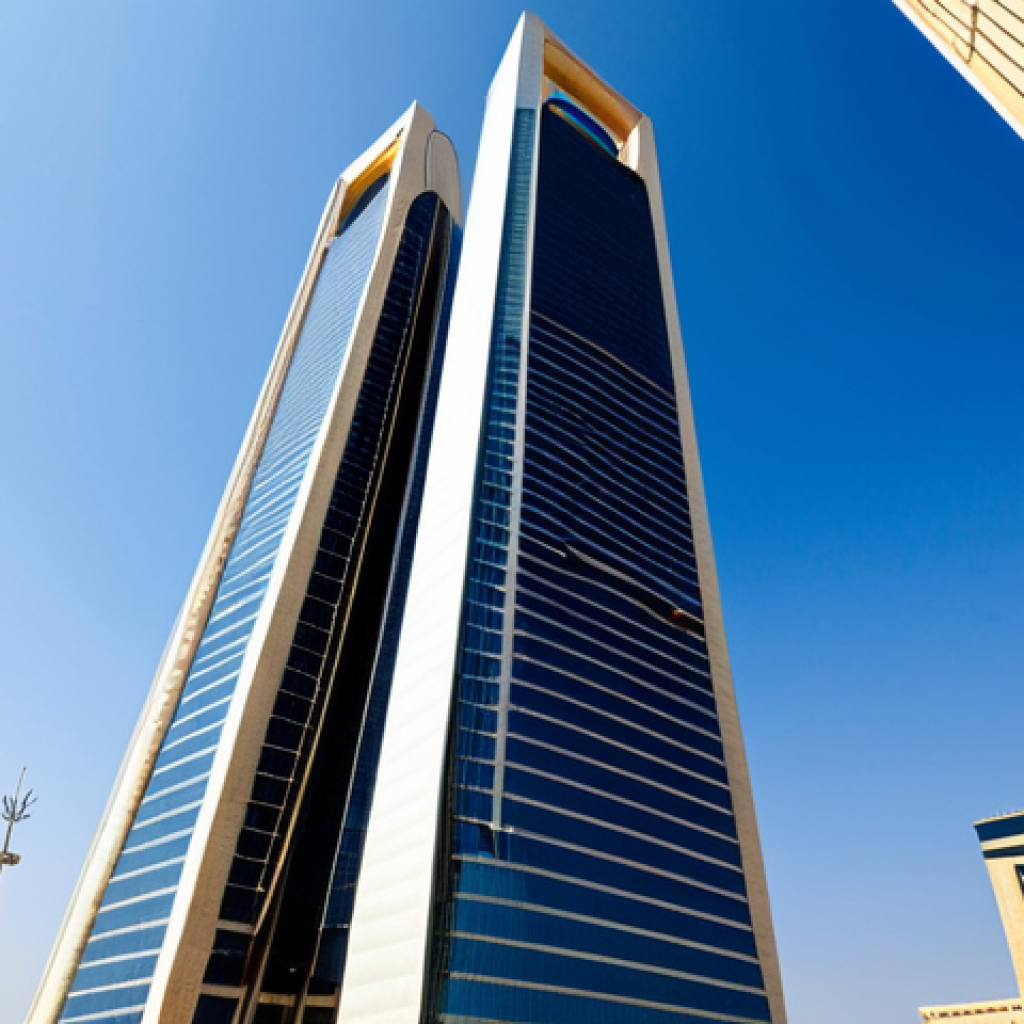
Saudi Arabia, a land of vast deserts and rich traditions, offers a diverse urban landscape. Riyadh, the capital, pulsates with modern energy and ambitious architectural projects.
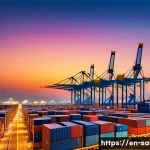
Jeddah, a coastal gem on the Red Sea, boasts a vibrant blend of historical charm and contemporary luxury. Dammam, a key port city, serves as a bustling hub for the nation’s oil industry, reflecting its economic significance.
Each city possesses a unique character, contributing to the Kingdom’s multifaceted identity. You’ll discover a captivating blend of ancient heritage and forward-thinking development, making each locale a distinct experience.
These cities are rapidly evolving, embracing technology and sustainability while preserving their cultural roots. The future holds even more exciting transformations for these Saudi Arabian metropolises.
Let’s explore the unique characteristics of each city in detail!
## Unveiling the Architectural Marvels of RiyadhRiyadh, the heart of Saudi Arabia, is not just the political capital but also a dazzling showcase of architectural ambition.
The city’s skyline is punctuated by towering skyscrapers that seem to pierce the heavens, each structure a testament to modern engineering and design.
I remember driving through the King Abdullah Financial District (KAFD) and being completely awestruck by the sheer scale and futuristic aesthetic. It felt like stepping into a sci-fi movie, with gleaming towers reflecting the desert sun.
But it’s not just about height; the architecture here is about blending functionality with artistry, creating spaces that are both impressive and livable.
The Kingdom Centre: A Symbol of Modernity
1. The Kingdom Centre, with its iconic skybridge, is probably the most recognizable landmark in Riyadh. From the top, the views are simply breathtaking.
I vividly recall the panoramic cityscape stretching out before me, the vastness of the desert meeting the urban sprawl. It’s a must-visit for any tourist wanting to get a sense of Riyadh’s scale and ambition.
The shopping mall inside is top-notch as well, with high-end brands and a buzzing atmosphere.
Masmak Fortress: A Glimpse into the Past
2. Contrastingly, the Masmak Fortress offers a stark contrast, transporting you back to the origins of modern Saudi Arabia. The mud-brick structure stands as a reminder of the Kingdom’s history and its unification.
Walking through its cool, dimly lit corridors, I could almost hear the echoes of the past, imagining the fierce battles and strategic decisions that shaped the nation.
The fortress is a powerful reminder of the importance of preserving history amidst rapid modernization.
The Unique Blend of Styles
3. What really strikes me about Riyadh’s architecture is how it seamlessly blends traditional Islamic designs with cutting-edge modern styles. You’ll see intricate geometric patterns adorning the facades of modern buildings, a subtle nod to the region’s rich cultural heritage.
This fusion of old and new is what gives Riyadh its unique architectural identity, making it a fascinating city to explore for anyone interested in design and urban planning.
Jeddah’s Coastal Charm: A Fusion of History and Modernity
Jeddah, nestled along the Red Sea coast, offers a refreshing contrast to Riyadh’s desert landscape. This city is a captivating blend of historical charm and contemporary luxury, making it a unique destination in Saudi Arabia.
I’ve always felt a different vibe in Jeddah – more relaxed, more cosmopolitan, and definitely more connected to the sea. The air here is salty, the sunsets are stunning, and the atmosphere is just effortlessly cool.
Al-Balad: Stepping Back in Time
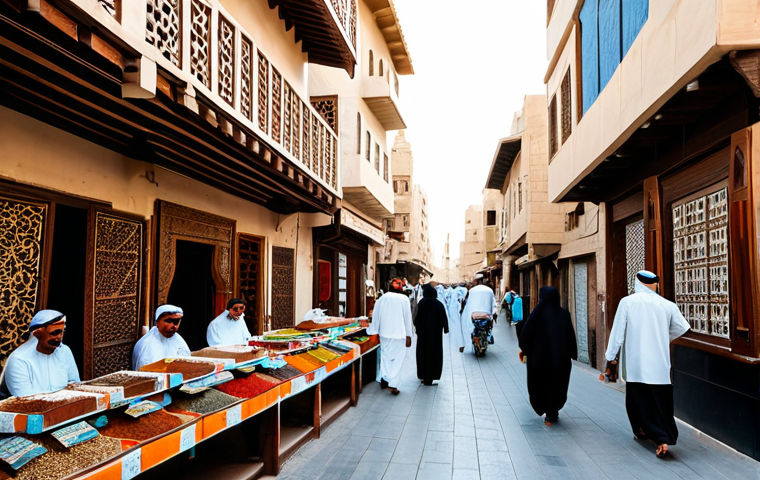
1. Al-Balad, Jeddah’s historical district, is a UNESCO World Heritage site and a true gem. Walking through its narrow, winding alleyways feels like stepping back in time.
The traditional coral stone buildings, with their intricate wooden balconies (rawashin), are a testament to the city’s rich trading history. I remember getting lost in the labyrinthine streets, discovering hidden courtyards and bustling souks.
It’s a sensory overload in the best way possible.
The Jeddah Corniche: A Modern Oasis
2. The Jeddah Corniche, on the other hand, represents the city’s modern face. This sprawling waterfront promenade is a popular spot for locals and tourists alike, offering stunning views of the Red Sea.
I loved strolling along the Corniche in the evenings, watching the sunset paint the sky in vibrant hues of orange and pink. There are also plenty of restaurants, cafes, and art installations along the way, making it a lively and engaging space.
Floating Mosque: A Spiritual Landmark
3. One of Jeddah’s most iconic landmarks is the Floating Mosque, officially known as the Al-Rahma Mosque. Perched on the edge of the Red Sea, it appears to float during high tide, creating a mesmerizing spectacle.
I found it incredibly peaceful to visit, the gentle sound of the waves adding to the serenity of the atmosphere. It’s a beautiful example of how modern architecture can be used to create a place of spiritual significance.
Dammam: The Eastern Gateway to Saudi Arabia’s Prosperity
Dammam, a major port city on the Arabian Gulf, plays a crucial role in Saudi Arabia’s economy, particularly due to its proximity to the country’s vast oil reserves.
While it may not have the same historical or architectural grandeur as Riyadh or Jeddah, Dammam possesses a unique character shaped by its industrial importance and its vibrant multicultural population.
King Abdulaziz Center for World Culture (Ithra): A Hub of Creativity
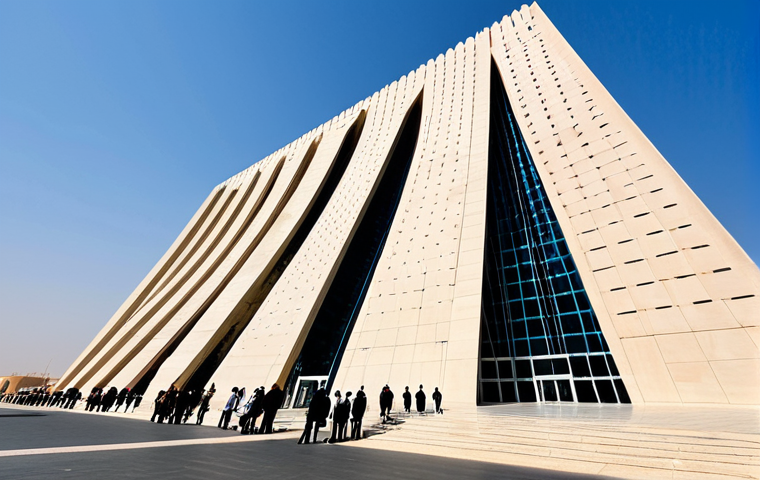
1. The King Abdulaziz Center for World Culture, also known as Ithra, is a striking architectural marvel and a testament to Dammam’s commitment to culture and innovation.
The building’s unique design, resembling a cluster of smooth, interconnected rocks, is truly captivating. Inside, you’ll find a library, a museum, a cinema, and various other cultural facilities.
I was particularly impressed by the museum’s exhibits, which showcased the rich history and culture of Saudi Arabia.
Dammam Corniche: A Coastal Retreat
2. Similar to Jeddah, Dammam boasts a beautiful corniche that offers stunning views of the Arabian Gulf. The Dammam Corniche is a popular spot for families and tourists, with its numerous parks, playgrounds, and recreational facilities.
I enjoyed taking a leisurely walk along the corniche, breathing in the fresh sea air and watching the boats sail by. It’s a great place to relax and escape the hustle and bustle of the city.
The Influence of the Oil Industry
3. It’s impossible to talk about Dammam without mentioning its close ties to the oil industry. The city is home to many major oil companies and is a hub for engineers, technicians, and other professionals in the field.
This has created a unique multicultural environment, with people from all over the world coming to Dammam to work in the oil industry. While the industry’s impact on the environment is a concern, it has also brought significant economic prosperity to the region.
The Green Spaces of Saudi Cities
Beyond the skyscrapers and historical sites, Saudi cities are increasingly focusing on creating green spaces for their residents.
Parks and Recreation
1. Riyadh’s King Abdullah Park is a sprawling oasis in the heart of the city, offering a welcome respite from the urban landscape. Jeddah’s parks along the Corniche provide stunning sea views and opportunities for outdoor activities.
Dammam also boasts numerous parks and green spaces, contributing to the quality of life for its residents. These parks are not just about aesthetics; they also play a vital role in improving air quality and providing spaces for people to connect with nature.
Urban Forestry Initiatives
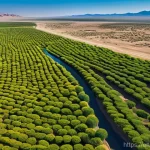
2. Many Saudi cities are undertaking urban forestry initiatives to increase the number of trees and green spaces within the city limits. These initiatives aim to combat desertification, reduce the urban heat island effect, and enhance the overall livability of the cities.
I’ve noticed a significant increase in the number of trees and green areas in Riyadh in recent years, which has made the city much more pleasant to live in.
Sustainable Landscaping
3. Sustainable landscaping practices are also gaining traction in Saudi cities. These practices involve using native plants that require less water, reducing the use of chemical fertilizers and pesticides, and implementing efficient irrigation systems.
By adopting sustainable landscaping, cities can minimize their environmental impact and create more resilient urban ecosystems.
Cultural Experiences: Beyond the Tourist Trail
To truly understand Saudi cities, one must venture beyond the typical tourist attractions and immerse oneself in the local culture.
Local Cuisine
1. Exploring the local cuisine is a must for any visitor to Saudi Arabia. From traditional dishes like Kabsa (a fragrant rice dish with meat) and Mandi (slow-cooked meat with rice) to regional specialties, there’s a wealth of culinary delights to discover.
I highly recommend trying the street food, which offers a delicious and affordable way to experience the local flavors.
Traditional Markets (Souks)
2. Visiting a traditional market, or souk, is a sensory experience like no other. The vibrant colors, the exotic aromas, and the lively atmosphere are sure to leave a lasting impression.
Here, you can find everything from spices and perfumes to textiles and handicrafts. Don’t be afraid to haggle for a good price – it’s part of the fun!
Experiencing Local Hospitality
3. Saudi hospitality is legendary, and you’re likely to encounter it firsthand during your visit. Locals are generally warm, welcoming, and eager to share their culture with visitors.
Don’t be surprised if you’re invited to someone’s home for a cup of Arabic coffee and dates – it’s a gesture of friendship and hospitality that you won’t soon forget.
Future Visions: Sustainable and Smart Cities
Saudi Arabia is investing heavily in developing sustainable and smart cities that prioritize environmental protection, technological innovation, and quality of life.
NEOM: A City of the Future
1. NEOM, a futuristic city planned for the northwest of Saudi Arabia, is perhaps the most ambitious project of its kind in the world. NEOM aims to be a global hub for innovation and sustainability, powered entirely by renewable energy and featuring cutting-edge technologies like artificial intelligence and robotics.
While the project is still in its early stages, it has the potential to transform the way we think about urban living.
The Red Sea Project: Sustainable Tourism
2. The Red Sea Project is another ambitious project that aims to develop a sustainable tourism destination along the Red Sea coast. The project will feature luxury resorts, pristine beaches, and protected marine reserves, all designed to minimize environmental impact.
The goal is to create a world-class tourism destination that is both luxurious and environmentally responsible.
Smart City Initiatives
3. Even in existing cities like Riyadh, Jeddah, and Dammam, smart city initiatives are being implemented to improve efficiency, sustainability, and quality of life.
These initiatives include things like smart traffic management systems, smart street lighting, and waste management programs. By leveraging technology, these cities aim to become more livable and sustainable for their residents.
| City | Key Features | Architectural Highlights | Cultural Experiences |
|---|---|---|---|
| Riyadh | Political and economic hub, modern architecture | Kingdom Centre, Masmak Fortress | National Museum, Al-Diriyah historical site |
| Jeddah | Coastal city, historical and modern blend | Al-Balad (historical district), Floating Mosque | Red Sea diving, Jeddah Corniche |
| Dammam | Major port city, oil industry | Ithra (King Abdulaziz Center for World Culture) | Dammam Corniche, Half Moon Bay |
Riyadh, Jeddah, and Dammam offer a compelling glimpse into Saudi Arabia’s multifaceted identity. From the towering skyscrapers of Riyadh to the historical charm of Jeddah and the industrial might of Dammam, each city offers a unique perspective on the Kingdom’s past, present, and future.
Whether you’re interested in architecture, culture, or simply experiencing a new way of life, Saudi Arabia’s cities have something to offer every traveler.
So, pack your bags, embrace the adventure, and prepare to be amazed by the hidden gems of this fascinating country.
Wrapping Up
Exploring Saudi Arabia’s major cities unveils a blend of modernity and tradition, each with unique attractions. From Riyadh’s skyscrapers to Jeddah’s coastal allure and Dammam’s economic hub, these cities showcase the Kingdom’s rich heritage and forward-thinking vision. Whether it’s historical sites, cultural experiences, or sustainable initiatives, Saudi Arabia offers a diverse and captivating journey for every traveler.
Good to Know
1. Currency: The Saudi Riyal (SAR) is the official currency. Credit cards are widely accepted in major establishments, but it’s advisable to carry cash for smaller shops and souks.
2. Dress Code: While Saudi Arabia has become more relaxed, it’s still important to dress modestly, especially in religious sites. Women are encouraged to wear loose-fitting clothing that covers the shoulders and knees.
3. Language: Arabic is the official language, but English is widely spoken, especially in tourist areas and business settings. Learning a few basic Arabic phrases can enhance your interactions with locals.
4. Transportation: Taxis and ride-sharing services like Uber and Careem are readily available in major cities. Consider renting a car for more flexibility in exploring the outskirts of the cities.
5. Best Time to Visit: The best time to visit Saudi Arabia is during the cooler months, from November to March, when temperatures are more comfortable for outdoor activities.
Key Takeaways
Architectural Diversity: Saudi cities blend modern and traditional architectural styles, from Riyadh’s skyscrapers to Jeddah’s historical buildings and Dammam’s industrial structures.
Cultural Richness: Immerse yourself in local traditions, cuisine, and hospitality by visiting souks, trying traditional dishes, and interacting with locals.
Sustainable Initiatives: Saudi Arabia is committed to sustainable development, with projects like NEOM and the Red Sea Project showcasing a vision for future cities.
Frequently Asked Questions (FAQ) 📖
Q: I’m planning a trip to Saudi
A: rabia and only have time to visit one city. Which one would you recommend for a first-time visitor interested in experiencing a mix of modern and traditional culture?
A1: Okay, listen up! If you’re looking for that perfect blend of old and new in Saudi Arabia, I’d personally nudge you towards Jeddah. I’ve been there myself, wandering through the Al-Balad district, a UNESCO World Heritage site – seriously, it’s like stepping back in time with those coral stone buildings!
But then, BAM, you’re driving along the Corniche, with stunning views of the Red Sea and ultramodern skyscrapers. It’s got this really unique vibe, where you can haggle for spices in a traditional souk one minute and sip a fancy coffee in a chic café the next.
Plus, the seafood there is seriously amazing – fresh catches daily! Riyadh’s great and all, but Jeddah just has that extra layer of history and coastal charm that, in my opinion, makes it perfect for a first-timer.
Q: I’m interested in learning more about Saudi
A: rabia’s economy. Which of the cities mentioned is most crucial for understanding the country’s financial landscape? A2: Honestly, if you want to get a real feel for Saudi Arabia’s economic engine, you gotta head to Dammam.
Let’s be real, oil’s a HUGE deal there, and Dammam’s right in the heart of it. I’ve heard from people who’ve worked there, and it’s a whole different world – a bustling hub of activity, with major players in the petroleum industry all concentrated in that area.
While Riyadh is the capital and obviously has a significant financial presence, Dammam gives you a more direct, boots-on-the-ground perspective of the oil industry’s impact, which is undeniably crucial to understanding the Kingdom’s economic landscape.
It’s not always the prettiest city, but it’s where the money’s at, plain and simple.
Q: I’m a woman traveling alone to Saudi
A: rabia. How safe and comfortable would I be in these cities, and are there specific cultural considerations I should keep in mind? A3: As a woman myself, safety and comfort are always top of mind when traveling!
From what I’ve experienced and heard from other female travelers, Riyadh, Jeddah, and Dammam are generally safe cities, but it’s super important to be aware of local customs.
Modesty is key, so dressing conservatively is always a good idea – covering your shoulders and knees is the standard. I found that people were very respectful in Jeddah, but it’s always a good idea to be aware of your surroundings.
In general, using ride-sharing apps is reliable and convenient, and sticking to well-lit, populated areas at night is always a smart move. Don’t let it scare you, though!
Saudi Arabia is becoming increasingly open to tourism, and people are generally welcoming, but being respectful of their culture will go a long way in making your trip safe and enjoyable.
Oh, and one more thing: learning a few basic Arabic phrases can be a real icebreaker and show that you’re making an effort to connect with the local culture.
📚 References
Wikipedia Encyclopedia