Saudi Arabia, once a destination shrouded in mystery, is rapidly opening its doors to the world, inviting travelers to discover its ancient heritage and futuristic visions.
Understanding its unique climate, however, is absolutely paramount to planning a comfortable and truly memorable journey. Having personally navigated its diverse regions, from the humid Red Sea coast to the cooler mountainous interiors, I can tell you that timing your visit is everything.
With the Kingdom’s ambitious Vision 2030 transforming the landscape and inviting global tourism like never before, more and more travelers are now eyeing this captivating land.
But when exactly is the optimal time to experience its majestic deserts, vibrant cities, and historical wonders without battling extreme heat or unexpected chill?
Let’s explore this thoroughly.
Unveiling the Kingdom’s Climatic Palette: Beyond the Scorching Sands
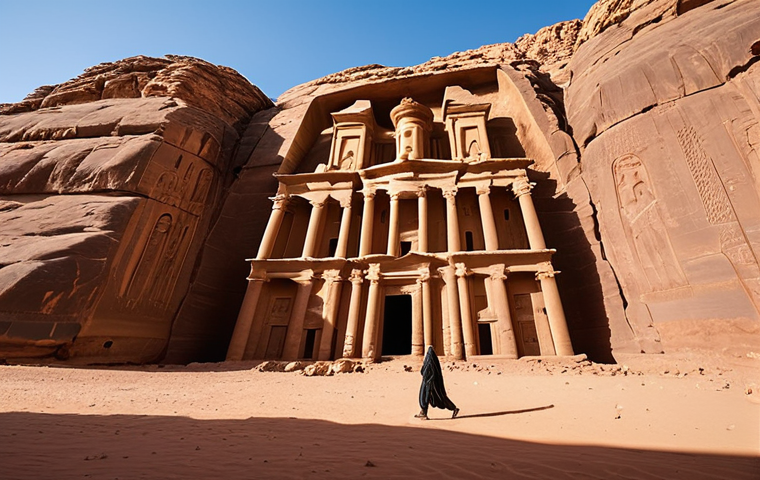
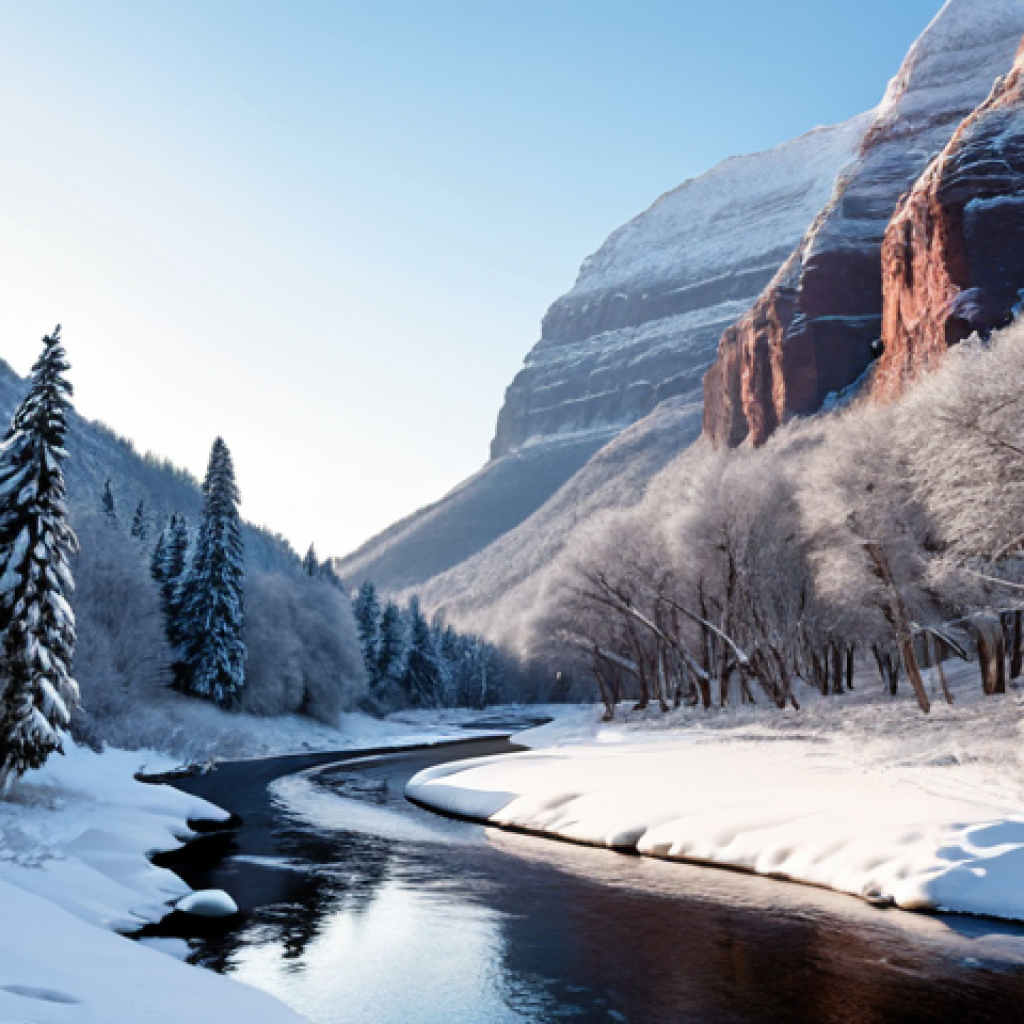
When I first considered exploring Saudi Arabia, like many, my mind instantly conjured images of relentless desert heat. And while vast stretches of the Arabian Peninsula certainly live up to that arid reputation, I quickly learned that the Kingdom boasts a surprisingly diverse climate, a tapestry woven from scorching dunes, humid coasts, and even refreshingly cool mountain air.
It’s a land of extremes, yes, but understanding these nuances is truly the key to unlocking an enjoyable journey. From my own experiences traversing its landscapes, I’ve found that dismissing it as ‘just a desert’ is a disservice to the varied beauty and distinct atmospheric conditions you’ll encounter.
This climatic diversity is precisely what makes planning your trip an exciting puzzle, ensuring you’re dressed for the occasion, whether it’s a cool desert night or a bustling city afternoon.
The sheer scale of the country means that what you experience in the east can be drastically different from the west or the south, a detail often overlooked by first-time visitors but utterly critical for a comfortable and immersive travel experience.
This isn’t just about packing right; it’s about setting your expectations and embracing the unique meteorological character of each region.
1. The Arid Heartlands: Riyadh’s Fiery Summers and Crisp Winters
The central plateau, home to the vibrant capital, Riyadh, epitomizes the stereotypical Saudi desert climate. During the summer months, roughly May to September, temperatures regularly soar well above 40°C (104°F), and I can tell you firsthand, the dry heat can be intense.
Walking around midday feels like stepping into a giant oven, and even the shade offers only a slight reprieve. This is when indoor activities, air-conditioned malls, and late-night excursions become your best friends.
However, don’t let this deter you completely; the humidity is usually very low, which makes the heat more manageable than in coastal areas. What truly surprised me was Riyadh’s winter.
From December to February, the city transforms. Daytime temperatures are delightfully mild, often in the low 20s°C (68-75°F), but as soon as the sun dips below the horizon, the temperature plummets dramatically.
Nights can become quite chilly, sometimes even dropping close to freezing. I vividly remember needing a proper winter jacket for evening strolls, a stark contrast to the blazing sun just hours before.
This diurnal temperature range is characteristic of desert environments and something you absolutely need to be prepared for when visiting the heart of the Kingdom.
2. Coastal Charms: Jeddah’s Humidity and Moderate Comfort
Move west to the Red Sea coast, and the climate shifts significantly. Jeddah, a bustling port city, experiences a subtropical desert climate with much higher humidity levels, especially during the summer.
While temperatures might not reach the searing peaks of Riyadh, the combination of heat and humidity can feel incredibly oppressive, making outdoor activities quite challenging.
I recall stepping off the plane in Jeddah in August and instantly feeling the thick, warm air envelop me – a very different sensation from the dry heat of Riyadh.
However, the coastal areas benefit from cooling sea breezes during the cooler months. From October to April, Jeddah enjoys a much more pleasant climate, with warm, sunny days and mild evenings perfect for exploring the historic Al-Balad district or enjoying a seaside meal.
The Red Sea itself offers a fantastic escape, with its warm waters perfect for diving and snorkeling year-round, though the cooler months are certainly more comfortable for extended periods outdoors.
Decoding the Seasons: Unlocking Saudi Arabia’s Best Travel Windows
Having personally navigated Saudi Arabia’s diverse landscapes across different times of the year, I can confidently say that timing your visit is not just important – it’s paramount to truly enjoying everything the Kingdom has to offer.
The notion of a “best time” really depends on what you plan to do and which regions you intend to explore, but generally speaking, the cooler months provide the most comfortable experience for sightseeing and outdoor activities across most of the country.
I’ve seen travelers struggle in the intense summer heat, and conversely, I’ve marveled at the sheer beauty of the desert during a crisp winter morning.
It’s about aligning your expectations and itinerary with the climatic reality on the ground, ensuring your journey is one of discovery rather than discomfort.
This strategic planning will not only enhance your personal experience but also allow you to appreciate the culture and natural beauty without the constant battle against the elements.
1. Autumn’s Gentle Caress (October-November)
For me, late autumn is one of the most delightful times to visit. As October rolls in, the oppressive summer heat gradually begins to recede across most of the country.
Riyadh becomes much more tolerable, and the coastal humidity in Jeddah starts to drop. This period offers warm, sunny days that are perfect for exploring historical sites like Diriyah or venturing out into the desert for a memorable safari.
I remember a particularly enchanting evening spent under the stars in the Empty Quarter during November; the daytime warmth gave way to a surprisingly cool, comfortable night perfect for stargazing.
It’s an ideal window for travelers who want to experience both urban life and desert adventures without extreme temperatures.
2. Winter’s Welcome Embrace (December-February)
Without a doubt, winter is the peak travel season in Saudi Arabia, and for good reason. From December through February, the weather across much of the Kingdom, particularly the central and northern regions, is simply sublime.
Think mild, sunny days with average temperatures ranging from 15°C to 25°C (59-77°F) – perfect for outdoor exploration, hiking in AlUla’s breathtaking landscapes, or simply strolling through city souks.
Even the southern mountains, like those around Abha, are comfortably cool, though they can experience some rainfall. This is the time when the desert air is crisp, and evenings are cool enough to truly enjoy traditional Arabic coffee by a bonfire.
My personal experience during these months has always been exceptionally positive, making it easy to see why this is the most popular time for tourists.
You’ll find it comfortable enough for extensive walking tours and outdoor cultural events.
3. Spring’s Fleeting Bloom (March-April)
Spring offers another fantastic, albeit shorter, window for travel. March and April bring pleasant temperatures across the country, often with beautiful clear skies.
This is a particularly stunning time to visit areas like AlUla or the blossoming desert regions after any winter rains, where you might even witness rare desert flora in bloom.
However, as April progresses, temperatures quickly begin to climb, especially in the central and eastern provinces, hinting at the approaching summer.
While still enjoyable, I’ve noticed that towards the end of April, you need to start planning your outdoor activities for early mornings or late afternoons to avoid the midday warmth.
Summer Strategies: Thriving When the Temperatures Soar
While many guidebooks might advise against visiting Saudi Arabia during the summer months (roughly May to September), I’ve learned from my own travels that it’s not impossible to have a fulfilling experience; it just requires a different approach and a shift in focus.
It’s about being strategic, understanding the limitations, and leveraging the country’s impressive indoor infrastructure. Don’t be fooled into thinking Saudi Arabia shuts down during summer; life continues, just perhaps at a slightly slower pace and often after sunset.
Embracing the Kingdom’s culture of late-night activity, especially during Ramadan if it falls in summer, can offer a unique and memorable perspective that avoids the peak daytime heat.
It forces you to delve deeper into indoor attractions and experience the local rhythm in a more authentic way.
1. Urban Explorations: Leveraging Air-Conditioned Comforts
During the summer, Saudi cities like Riyadh and Jeddah transform into havens of air-conditioned comfort. This is the prime time to explore the Kingdom’s impressive array of modern shopping malls, which are not just retail spaces but often entertainment complexes with indoor theme parks, cinemas, and world-class dining.
Museums, art galleries, and cultural centers also provide excellent escapes from the heat. I’ve spent countless enjoyable hours exploring the National Museum in Riyadh or the fascinating galleries in Jeddah, all while staying perfectly cool.
This strategy allows you to immerse yourself in Saudi culture and history without breaking a sweat, reserving any outdoor excursions for the cooler late evenings.
It’s a different rhythm, but a rewarding one.
2. Nighttime Adventures and Desert Camping
When the sun sets, the desert comes alive, even in summer. While daytime desert excursions are largely out of the question due to extreme heat, evenings offer a unique opportunity.
Temperatures drop significantly after dusk, making desert camping under the vast, star-studded sky an unforgettable experience. Many tour operators offer late-afternoon or evening desert safaris, culminating in traditional Bedouin-style dinners and stargazing.
I recall one particularly magical night near the Edge of the World, where the cool desert air and the silence under a blanket of stars felt utterly otherworldly.
This is where the true charm of the desert, often overshadowed by its daytime intensity, truly shines through, offering an authentic Saudi experience that is both comfortable and deeply memorable.
3. Coastal Getaways: The Red Sea’s Allure
Despite the higher humidity, the Red Sea coast, particularly around Jeddah and areas further south, offers a unique summer escape. While the air might feel heavy, the Red Sea itself remains invitingly warm, making it perfect for water activities.
Diving, snorkeling, and boat trips are excellent ways to beat the heat, as you’re either in the water or enjoying the sea breeze. Many resorts have fantastic pools and private beaches where you can relax in comfort.
I’ve spent blissful afternoons in Jeddah, enjoying the sea, which felt like a natural air conditioner, a stark contrast to the parched inland regions.
The underwater world of the Red Sea is stunning, and summer is as good a time as any to explore its vibrant coral reefs and diverse marine life, making it a compelling option for those who don’t mind the coastal warmth.
Regional Nuances: Tailoring Your Itinerary to Local Weather
Saudi Arabia’s sheer geographical size means that its climate isn’t uniform; what applies to Riyadh doesn’t necessarily hold true for Abha or AlUla. My travels across the Kingdom have deeply emphasized the importance of understanding these regional differences, as they profoundly impact the best time to visit a specific destination and what you should pack.
It’s a common mistake for first-time visitors to assume a blanket weather expectation, but embracing the local nuances will unlock a far more comfortable and enjoyable trip.
Each region offers its own unique climatic personality, demanding a thoughtful consideration of when and how to approach it.
1. The Historic Hejaz: Makkah, Madinah, and AlUla’s Unique Microclimates
The historic Hejaz region, home to the holy cities of Makkah and Madinah, generally follows a pattern similar to Jeddah—hot and humid summers, with milder, pleasant winters.
Pilgrims often visit year-round, adapting to the heat by performing rituals during cooler hours or utilizing the extensive air-conditioned facilities.
My experience there taught me the importance of hydration and light clothing, regardless of the season. Further north, the ancient wonders of AlUla present a different challenge.
Located in a desert valley, AlUla experiences extremely hot summers with very little humidity, making midday exploration difficult. However, its winters are truly magical, with warm days and surprisingly cold nights, perfect for stargazing and exploring the ancient ruins.
I’ve found that the period from October to March is absolutely ideal for AlUla, offering comfortable temperatures for extensive outdoor activities and photography.
2. The Eastern Province: Al-Khobar’s Humid Charm
The Eastern Province, particularly cities like Dammam and Al-Khobar, bordering the Arabian Gulf, experiences a climate distinct from the Red Sea coast.
Summers here are characterized by intense heat and very high humidity, often exceeding 90%, making it feel stifling. This is due to the shallow waters of the Gulf, which heat up considerably and evaporate, contributing to the stickiness.
Winters are mild and pleasant, making it a popular time for local tourism and outdoor recreation along the Corniche. I recall a winter visit to Al-Khobar where the weather was absolutely perfect for enjoying the waterfront and exploring local markets, a stark contrast to the summer’s oppressive mugginess that I’ve also briefly experienced there.
Understanding this unique combination of heat and humidity is vital if you plan to visit the oil-rich eastern regions.
3. High-Altitude Havens: Exploring Asir’s Lush Landscapes
Perhaps the biggest surprise for many travelers, myself included, is the mountainous Asir region in the southwest, particularly around Abha. This area boasts a remarkably different climate, often described as temperate due to its high altitude.
Summers here are much cooler and more pleasant than anywhere else in the Kingdom, making it a popular domestic escape from the heat. It can even experience summer monsoons, leading to lush green landscapes, fog, and occasional rain showers.
I was genuinely amazed by the cool temperatures and misty mountains when I visited Abha in July; it felt like a completely different country. Winters are cool to cold, sometimes even seeing frost or light snow on the highest peaks.
If you’re looking to escape the heat, Asir is your perfect refuge, offering hiking, paragliding, and stunning natural beauty without the extreme temperatures found elsewhere.
Packing Smart: Essentials for Saudi’s Diverse Weather
One of the most valuable lessons I’ve learned from my extensive travels throughout Saudi Arabia is that your packing strategy needs to be as adaptable as the Kingdom’s diverse climate.
What works for a desert expedition in winter will be completely inadequate for a humid coastal city in summer. Getting this right isn’t just about comfort; it’s about respecting local customs and ensuring you’re prepared for the unexpected shifts in temperature, especially if you’re traversing different regions.
I’ve seen countless tourists underprepared, enduring discomfort that could easily have been avoided with a bit more foresight in their luggage choices.
1. Layering for Desert Day-to-Night Swings
This is perhaps the most crucial tip for anyone venturing into Saudi Arabia’s arid regions, especially during the cooler months (October to April). Desert temperatures can swing wildly, with scorching daytime heat giving way to surprisingly cold nights.
I’ve personally experienced days where I was comfortable in a T-shirt, only to need a heavy jacket and scarf a few hours later after sunset. Therefore, packing versatile layers – lightweight, breathable fabrics for the day, and warmer sweaters, fleeces, or light jackets for the evenings – is absolutely essential.
Don’t underestimate the desert chill, particularly if you plan to spend time outdoors after dark or go on a desert safari.
2. Sun Protection: Your Non-Negotiable Companions
Regardless of the season or region, the Saudi sun is consistently strong, and sun protection is non-negotiable. I always carry a wide-brimmed hat, high-SPF sunscreen, and sunglasses.
Even in winter, the sun can be intense, especially when reflecting off desert sands or cityscapes. For women, lightweight scarves or pashminas are also incredibly useful, not just for cultural modesty when visiting certain sites but also as an excellent shield against the sun for your neck and shoulders.
Men might also consider light, long-sleeved shirts made from breathable materials like linen or moisture-wicking fabrics, which offer superior sun protection compared to short sleeves.
Staying hydrated is equally vital, so always have a water bottle handy.
3. Footwear for Every Terrain: From Souks to Sands
Your choice of footwear will significantly impact your comfort and ability to explore. If you plan on extensive walking in cities or historical sites, comfortable, breathable walking shoes are a must.
For desert excursions or hiking in areas like AlUla or the Asir mountains, closed-toe shoes with good grip are essential to protect your feet from rough terrain and heat.
Sandals or open-toed shoes are fine for very casual wear in cities or resorts, but I wouldn’t recommend them for long sightseeing days or any kind of outdoor adventure.
I always pack a pair of sturdy walking shoes and a lighter, more relaxed pair, ensuring I’m prepared for whatever the day’s itinerary throws at me.
Seasonal Activities and Events: Maximizing Your Visit
My favorite aspect of traveling through Saudi Arabia is how certain activities and cultural events truly come alive during specific times of the year, deeply intertwined with the prevailing climate.
Planning your visit around these seasonal opportunities can transform a good trip into an absolutely unforgettable one. It’s not just about avoiding the heat; it’s about embracing the unique rhythms of the Kingdom and participating in experiences that are truly optimized for the weather.
I’ve found that some of my most cherished memories were made when I perfectly aligned my itinerary with the seasonal offerings, leading to more authentic and immersive encounters.
1. Winter Festivals and Desert Safaris
Winter (December-February) is undeniably the prime season for outdoor festivals and desert adventures. This is when events like the Winter at Tantora festival in AlUla or various cultural gatherings across the Kingdom truly shine, benefiting from the mild, pleasant weather.
It’s also the perfect time for desert safaris, dune bashing, and overnight camping trips, as the daytime temperatures are comfortable, and the nights, while cool, are invigorating rather than freezing.
I’ve spent crisp winter mornings exploring ancient petroglyphs and evenings gathered around a crackling bonfire under an endless sky; these experiences are simply unparalleled during any other season.
The comfortable climate makes extended outdoor exploration not just possible but genuinely enjoyable, allowing you to immerse yourself fully in the desert’s magic.
2. Spring Bloom Photography and Hiking Trails
The fleeting spring months (March-April), particularly after any winter rains, offer a unique opportunity for nature lovers and photographers. Certain desert areas, especially in the north and parts of the central region, can briefly transform with patches of green and a scattering of wildflowers.
This rare desert bloom is a breathtaking sight and an incredible chance for unique photography. Additionally, spring is an excellent time for hiking in areas like the mountainous regions of Asir or the escarpments around Riyadh, before the summer heat makes such activities challenging.
I was fortunate enough to witness a desert wadi in bloom once, and the unexpected vibrancy of life in such an arid landscape was truly moving, a testament to the desert’s resilience and hidden beauty.
3. Coastal Water Sports and Diving Adventures
While the coastal regions are warm year-round, the cooler months (October-April) are ideal for enjoying the Red Sea without the extreme humidity. However, for serious divers and snorkelers, the Red Sea’s warm waters make it a year-round destination.
During the peak summer months, when inland temperatures are scorching, heading to the Red Sea for water sports can be a fantastic escape. The slightly higher water temperatures in summer might even make for a more comfortable long dive.
I’ve personally experienced the joy of diving into the clear, warm waters of the Red Sea during what felt like the hottest month, discovering an underwater world that was a vibrant, refreshing contrast to the arid land above.
Whether it’s jet-skiing, paddleboarding, or exploring shipwrecks, the Red Sea offers an exhilarating escape from the heat, especially for those who love aquatic adventures.
| Region/Activity | Optimal Season (My Experience) | Key Considerations |
|---|---|---|
| Riyadh & Central Deserts | December – February (Winter) | Mild days, very cold nights. Perfect for city exploration & desert safaris. Avoid May-September unless strictly indoors. |
| Jeddah & Red Sea Coast | November – April (Autumn/Winter/Spring) | Pleasant warmth, lower humidity. Excellent for historical sites, beach activities, and diving. Summers are hot & very humid. |
| AlUla & Northwest | October – March (Autumn/Winter) | Warm days, cool/cold nights. Ideal for exploring ancient ruins and stargazing. Summers are extremely hot. |
| Asir Mountains (Abha) | April – September (Spring/Summer) | Cooler summers due to altitude, potential for rain. Good escape from heat. Winters are cool to cold. |
| Eastern Province (Dammam/Khobar) | November – March (Winter) | Mild, comfortable. Enjoyable for coastal walks. Summers are intensely hot & humid. |
Wrapping Up Your Saudi Climate Journey
As I reflect on my diverse journeys across Saudi Arabia, it’s clear that this isn’t a land to be pigeonholed by a single climatic stereotype. From the crisp desert nights of Riyadh to Jeddah’s humid coastal charm and Abha’s surprising mountain cool, the Kingdom offers a rich tapestry of atmospheric conditions that truly shape your experience. My biggest takeaway, and something I deeply wish for every traveler, is to approach your visit with an open mind and a readiness to embrace these regional nuances. Understanding the climate isn’t just about packing right; it’s about setting your expectations, aligning your itinerary with the season’s gifts, and ultimately, unlocking a deeper, more comfortable, and utterly unforgettable exploration of this incredible country.
Good to Know: Practical Tips for Your Trip
1. Visa Process: Saudi Arabia has significantly eased its visa process, with many nationalities eligible for an e-visa or visa-on-arrival. Always check the latest requirements well in advance of your travel dates to ensure a smooth entry.
2. Cultural Sensitivity & Dress: While dress codes have relaxed, it’s still respectful to dress modestly, particularly for women. Lightweight, loose-fitting clothing that covers shoulders and knees is generally advisable, regardless of gender, and is also practical for sun protection.
3. Currency & Payments: The local currency is the Saudi Riyal (SAR). Major credit cards are widely accepted in cities and larger establishments, but it’s always good to have some cash for smaller vendors, souks, or remote areas.
4. Hydration is Key: Especially outside the peak winter months, stay well-hydrated. Always carry a reusable water bottle and refill it frequently. Dehydration can quickly become a serious issue, even if you don’t feel excessively hot.
5. Connectivity: SIM cards are readily available upon arrival at airports, offering affordable data plans. Wi-Fi is generally good in hotels and major establishments. Having local connectivity makes navigation and communication much easier.
Key Takeaways for Your Saudi Adventure
Saudi Arabia’s climate is far more diverse than typically perceived, ranging from scorching arid deserts to humid coastlines and cool mountain regions. Successful travel hinges on understanding these regional variations and timing your visit strategically. Winter (December-February) is generally optimal for most outdoor activities across the central and northern areas, while the Red Sea coast offers pleasant conditions from November to April. Summer travel is feasible, especially for urban indoor exploration and nighttime activities. Always pack in layers for temperature swings, prioritize sun protection, and ensure your footwear matches your planned activities. By considering the climatic specifics of each destination and aligning them with your interests, you can transform your journey into a seamless and profoundly enriching experience.
Frequently Asked Questions (FAQ) 📖
Q: Given Saudi
A: rabia’s diverse climate, what’s genuinely the optimal time to visit for a comfortable trip, especially if I want to explore outdoors? A1: From my own experiences sweating through a Saudi summer and then reveling in its glorious cooler months, I can tell you without a shadow of a doubt that the sweet spot for visiting Saudi Arabia is typically from late October through to April.
This window avoids the brutal summer heat, which can easily hit 50°C (122°F) in places like Riyadh – trust me, you don’t want to be touring historical Diriyah or exploring the desert in that!
During these cooler months, especially November to March, the weather is just chef’s kiss perfect for pretty much everything. You’ll get pleasant, sunny days ideal for wandering through Jeddah’s Al Balad, hiking in the Aseer mountains, or embarking on a desert safari to places like the Edge of the World near Riyadh.
Even the Red Sea coast, while still warm, becomes much more bearable for beach activities and diving. This is when the Kingdom truly comes alive for visitors, and you’ll find yourself actually enjoying being outside, rather than just enduring it.
Q: How drastically does the climate vary across Saudi
A: rabia’s regions, and what should I pack if I plan to visit multiple areas on one trip? A2: Oh, it’s a huge difference, almost like visiting multiple countries in one go!
I’ve gone from the humid, tropical-feeling Red Sea coast – think Jeddah or Yanbu, where even in winter it’s mild and a bit sticky – to the dry, intensely hot central plateau around Riyadh, which then plunges to surprising cold nights in winter.
Then you head southwest to the mountainous region of Aseer, places like Abha, and it’s a whole other ball game; I’ve seen frost and even light snow there, and the air is crisp and cool when the rest of the country is baking.
So, if you’re hitting diverse spots, layering is your absolute best friend. Pack light, breathable fabrics like linen or cotton for the coastal areas and central deserts during the day, but definitely throw in a good fleece or a light jacket for Riyadh’s evenings, especially in winter.
And if you’re venturing into the mountains, a proper warm coat, even gloves and a hat, aren’t overkill. Don’t forget comfortable walking shoes, a wide-brimmed hat, and a good pair of sunglasses, no matter where you are – the sun can be relentless!
Q: With Saudi
A: rabia’s Vision 2030 attracting more tourists and events, how does this affect the “optimal time” to visit, especially regarding crowds or major happenings?
A3: Vision 2030 is a total game-changer, and it absolutely influences the “optimal time” for your visit, especially if you’re looking for a specific vibe.
While the cooler months (Oct-April) are ideal weather-wise, they’ve also become the peak season for Saudi’s incredible array of events – think Riyadh Season, Jeddah Season, Diriyah Season, and high-profile sporting events like the Saudi F1 Grand Prix or the Saudi Cup horse race.
I’ve seen Riyadh’s population seemingly double during its festival period! If you’re someone who loves a buzzing atmosphere, vibrant entertainment, and doesn’t mind crowds or potentially higher prices for flights and accommodation, then aligning your trip with one of these major seasons is fantastic.
You’ll get to experience the Kingdom’s modern, dynamic side in full swing. However, if your goal is more about serene historical exploration, peaceful desert contemplation, or a more budget-conscious trip, then aiming for the edges of this peak window – say, late April/early May or mid-October – can offer a great compromise.
You’ll still get decent weather, but potentially fewer crowds and better deals, allowing you to truly soak in the ancient heritage without battling the masses.
It’s a trade-off, really, between experiencing the full spectacle or a more tranquil journey.
📚 References
Wikipedia Encyclopedia
구글 검색 결과
구글 검색 결과
구글 검색 결과
구글 검색 결과
구글 검색 결과