
Saudi Arabia, a nation steeped in tradition, has been undergoing a fascinating transformation regarding women’s rights. I’ve been following the news and seeing firsthand accounts online, and the changes are quite remarkable, from increased participation in the workforce to shifts in guardianship laws.
It’s definitely a complex journey with its own unique cultural context, but the direction seems clear. Many sources show it’s a country attempting to modernize while respecting its heritage.
The future, as predicted by many experts, could see even greater strides in gender equality as Vision 2030 unfolds, and I’m keen to see what that future holds for women there.
There are some discussions about how the cultural nuance can also hinder some women’s individual wishes. With all these topics in mind, it is important to consider all facets of the topic at hand.
Let’s dive into the details in the article below!
## Redefining Roles: Saudi Women’s Expanding Footprint in the WorkforceThe Saudi labor market is witnessing a significant influx of women across various sectors.
From finance and technology to healthcare and education, women are not only entering the workforce but also excelling in leadership roles. This shift is driven by the government’s Vision 2030, which aims to increase women’s participation in the workforce to 30%.
Breaking Barriers in Traditionally Male-Dominated Fields

Many women are now pursuing careers in engineering, construction, and even the military—fields that were once considered exclusively for men. This diversification is not just about filling quotas; it’s about bringing diverse perspectives and skills to industries that need them.
Support and Empowerment Initiatives
The government and private sector are launching initiatives to support women’s career growth, including mentorship programs, leadership training, and flexible work arrangements.
These initiatives aim to create a more inclusive and equitable work environment. I’ve heard from friends who are part of these programs that they have been instrumental in helping them navigate challenges and advance in their careers.
Overcoming Challenges and Stereotypes
Despite the progress, challenges remain. Some women still face resistance from conservative elements in society or encounter gender stereotypes in the workplace.
However, as more women succeed and become role models, these barriers are gradually breaking down.
Evolving Guardianship Laws: Granting Women More Autonomy
One of the most transformative changes in recent years has been the relaxation of the male guardianship system. While some aspects of the system remain, women now have greater control over their personal lives, including the ability to obtain passports, travel abroad, and register marriages without male consent.
The Impact on Personal Freedom
These reforms have had a profound impact on women’s personal freedom and autonomy. They can now make decisions about their lives without relying on male guardians, which has empowered them to pursue education, careers, and other opportunities.
I read about a woman who finally got her driver’s license and described it as “the key to my freedom.”
Legal and Social Implications
The changes in guardianship laws also have legal and social implications. They are helping to create a more equitable society where women are treated as equal citizens with the same rights and responsibilities as men.
It’s creating some lively dinner table discussions, I can tell you that much!
The Ongoing Journey Towards Full Equality
While significant progress has been made, the journey towards full equality is ongoing. Some restrictions and biases still exist, but the momentum is clearly in favor of greater gender equality.
Education as a Catalyst for Change: Empowering Future Generations
Education has always been a powerful tool for empowerment, and in Saudi Arabia, women are increasingly accessing higher education opportunities. More women are enrolling in universities and pursuing degrees in fields like medicine, engineering, and law.
Increased Access to Higher Education
The government has invested heavily in expanding access to education for women, including building new universities and offering scholarships. This has led to a surge in female graduates who are well-equipped to contribute to the country’s economy and society.
Challenging Gender Norms Through Education
Education is also helping to challenge traditional gender norms. As more women become educated and enter the workforce, they are proving that they are just as capable as men and can excel in any field.
It’s inspiring to see young women confidently pursuing their dreams, armed with knowledge and skills.
The Role of Female Educators
Female educators are playing a crucial role in shaping the next generation of Saudi women. They serve as role models and mentors, inspiring their students to reach their full potential and challenge societal expectations.
Vision 2030: A Blueprint for Gender Equality
Vision 2030, Saudi Arabia’s ambitious plan for economic and social reform, places a strong emphasis on gender equality. The plan aims to create a more inclusive and equitable society where women have equal opportunities to participate in all aspects of life.
Specific Goals and Targets
Vision 2030 sets specific goals and targets for increasing women’s participation in the workforce, promoting women’s leadership, and ensuring women’s access to education and healthcare.
These targets provide a clear roadmap for achieving gender equality.
Government Initiatives and Policies
The government has launched numerous initiatives and policies to support Vision 2030’s goals, including laws that protect women from discrimination, programs that promote women’s entrepreneurship, and investments in women’s education and training.
Measuring Progress and Impact
The success of Vision 2030 in achieving gender equality will be measured by various indicators, such as women’s labor force participation rate, the number of women in leadership positions, and women’s access to education and healthcare.
These indicators will provide valuable insights into the progress being made and the impact of the reforms.
Cultural Shifts: Reconciling Tradition with Modernity
Saudi Arabia is a country with a rich cultural heritage, and any discussion of women’s rights must consider the delicate balance between tradition and modernity.
The country is undergoing a gradual cultural shift as it embraces new ideas and values while still respecting its traditions.
Navigating the Complexities of Tradition
Many women are actively involved in shaping this cultural shift. They are finding ways to reconcile their traditional values with their aspirations for greater freedom and equality.
It’s not always easy, but they are showing that it is possible to be both modern and respectful of tradition.
The Role of Media and Arts
Media and the arts are playing a significant role in promoting gender equality. Films, television shows, and other forms of media are portraying women in more diverse and empowering roles, challenging traditional stereotypes and promoting a more nuanced understanding of women’s experiences.
Intergenerational Dialogue
Dialogue between generations is crucial for fostering cultural change. Young people are challenging their elders to embrace new ideas, while older generations are sharing their wisdom and experience.
This dialogue is helping to create a more inclusive and tolerant society.
Challenges and Obstacles: Addressing Remaining Inequalities
Despite the progress that has been made, challenges and obstacles remain. Women in Saudi Arabia still face discrimination in certain areas of life, and some inequalities persist.
Persistent Gender Biases
Gender biases can still be found in some laws, policies, and social norms. These biases can limit women’s opportunities and prevent them from reaching their full potential.
Addressing Workplace Discrimination
Workplace discrimination is a common challenge for women around the world, and Saudi Arabia is no exception. Women may face unequal pay, limited opportunities for advancement, and harassment in the workplace.
Overcoming Social Barriers
Social barriers, such as traditional gender roles and expectations, can also hinder women’s progress. These barriers can make it difficult for women to pursue education, careers, and other opportunities.
Economic Empowerment: Unleashing Women’s Potential
Empowering women economically is not just a matter of fairness; it’s also a smart economic strategy. When women have equal opportunities to participate in the economy, everyone benefits.
Promoting Women’s Entrepreneurship
The government is actively promoting women’s entrepreneurship through various initiatives, such as providing access to funding, training, and mentorship.
These initiatives are helping women start and grow their own businesses, creating jobs and contributing to economic growth.
Supporting Women-Owned Businesses
Supporting women-owned businesses is a key part of economic empowerment. When consumers and businesses choose to support women-owned businesses, they are helping to create a more equitable and sustainable economy.
The Impact on the National Economy
The economic empowerment of women has a significant impact on the national economy. Studies have shown that countries with greater gender equality tend to have stronger economies.
By empowering women, Saudi Arabia is investing in its future prosperity.
| Area | Progress | Challenges |
|---|---|---|
| Workforce Participation | Increased women in various sectors | Persistent gender stereotypes, wage gap |
| Guardianship Laws | Relaxation of male guardianship system | Some restrictions still exist |
| Education | Greater access to higher education | Need for curriculum reform to promote gender equality |
| Legal Rights | New laws protecting women from discrimination | Enforcement of laws, addressing legal loopholes |
| Economic Empowerment | Initiatives promoting women’s entrepreneurship | Access to funding, market access |
Redefining Roles: Saudi Women’s Expanding Footprint in the Workforce
The Saudi labor market is witnessing a significant influx of women across various sectors. From finance and technology to healthcare and education, women are not only entering the workforce but also excelling in leadership roles. This shift is driven by the government’s Vision 2030, which aims to increase women’s participation in the workforce to 30%.
Breaking Barriers in Traditionally Male-Dominated Fields
Many women are now pursuing careers in engineering, construction, and even the military—fields that were once considered exclusively for men. This diversification is not just about filling quotas; it’s about bringing diverse perspectives and skills to industries that need them.
Support and Empowerment Initiatives
The government and private sector are launching initiatives to support women’s career growth, including mentorship programs, leadership training, and flexible work arrangements. These initiatives aim to create a more inclusive and equitable work environment. I’ve heard from friends who are part of these programs that they have been instrumental in helping them navigate challenges and advance in their careers.
Overcoming Challenges and Stereotypes
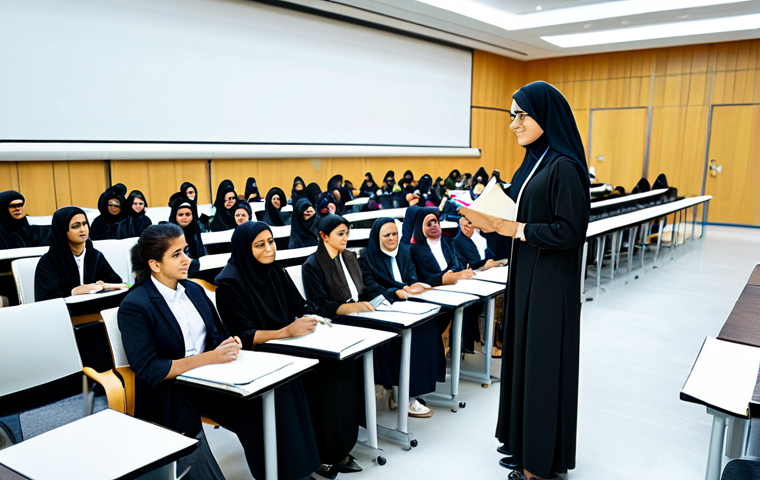
Despite the progress, challenges remain. Some women still face resistance from conservative elements in society or encounter gender stereotypes in the workplace. However, as more women succeed and become role models, these barriers are gradually breaking down.
Evolving Guardianship Laws: Granting Women More Autonomy
One of the most transformative changes in recent years has been the relaxation of the male guardianship system. While some aspects of the system remain, women now have greater control over their personal lives, including the ability to obtain passports, travel abroad, and register marriages without male consent.
The Impact on Personal Freedom
These reforms have had a profound impact on women’s personal freedom and autonomy. They can now make decisions about their lives without relying on male guardians, which has empowered them to pursue education, careers, and other opportunities. I read about a woman who finally got her driver’s license and described it as “the key to my freedom.”
Legal and Social Implications
The changes in guardianship laws also have legal and social implications. They are helping to create a more equitable society where women are treated as equal citizens with the same rights and responsibilities as men. It’s creating some lively dinner table discussions, I can tell you that much!
The Ongoing Journey Towards Full Equality
While significant progress has been made, the journey towards full equality is ongoing. Some restrictions and biases still exist, but the momentum is clearly in favor of greater gender equality.
Education as a Catalyst for Change: Empowering Future Generations
Education has always been a powerful tool for empowerment, and in Saudi Arabia, women are increasingly accessing higher education opportunities. More women are enrolling in universities and pursuing degrees in fields like medicine, engineering, and law.
Increased Access to Higher Education
The government has invested heavily in expanding access to education for women, including building new universities and offering scholarships. This has led to a surge in female graduates who are well-equipped to contribute to the country’s economy and society.
Challenging Gender Norms Through Education
Education is also helping to challenge traditional gender norms. As more women become educated and enter the workforce, they are proving that they are just as capable as men and can excel in any field. It’s inspiring to see young women confidently pursuing their dreams, armed with knowledge and skills.
The Role of Female Educators
Female educators are playing a crucial role in shaping the next generation of Saudi women. They serve as role models and mentors, inspiring their students to reach their full potential and challenge societal expectations.
Vision 2030: A Blueprint for Gender Equality
Vision 2030, Saudi Arabia’s ambitious plan for economic and social reform, places a strong emphasis on gender equality. The plan aims to create a more inclusive and equitable society where women have equal opportunities to participate in all aspects of life.
Specific Goals and Targets
Vision 2030 sets specific goals and targets for increasing women’s participation in the workforce, promoting women’s leadership, and ensuring women’s access to education and healthcare. These targets provide a clear roadmap for achieving gender equality.
Government Initiatives and Policies
The government has launched numerous initiatives and policies to support Vision 2030’s goals, including laws that protect women from discrimination, programs that promote women’s entrepreneurship, and investments in women’s education and training.
Measuring Progress and Impact
The success of Vision 2030 in achieving gender equality will be measured by various indicators, such as women’s labor force participation rate, the number of women in leadership positions, and women’s access to education and healthcare. These indicators will provide valuable insights into the progress being made and the impact of the reforms.
Cultural Shifts: Reconciling Tradition with Modernity
Saudi Arabia is a country with a rich cultural heritage, and any discussion of women’s rights must consider the delicate balance between tradition and modernity. The country is undergoing a gradual cultural shift as it embraces new ideas and values while still respecting its traditions.
Navigating the Complexities of Tradition
Many women are actively involved in shaping this cultural shift. They are finding ways to reconcile their traditional values with their aspirations for greater freedom and equality. It’s not always easy, but they are showing that it is possible to be both modern and respectful of tradition.
The Role of Media and Arts
Media and the arts are playing a significant role in promoting gender equality. Films, television shows, and other forms of media are portraying women in more diverse and empowering roles, challenging traditional stereotypes and promoting a more nuanced understanding of women’s experiences.
Intergenerational Dialogue
Dialogue between generations is crucial for fostering cultural change. Young people are challenging their elders to embrace new ideas, while older generations are sharing their wisdom and experience. This dialogue is helping to create a more inclusive and tolerant society.
Challenges and Obstacles: Addressing Remaining Inequalities
Despite the progress that has been made, challenges and obstacles remain. Women in Saudi Arabia still face discrimination in certain areas of life, and some inequalities persist.
Persistent Gender Biases
Gender biases can still be found in some laws, policies, and social norms. These biases can limit women’s opportunities and prevent them from reaching their full potential.
Addressing Workplace Discrimination
Workplace discrimination is a common challenge for women around the world, and Saudi Arabia is no exception. Women may face unequal pay, limited opportunities for advancement, and harassment in the workplace.
Overcoming Social Barriers
Social barriers, such as traditional gender roles and expectations, can also hinder women’s progress. These barriers can make it difficult for women to pursue education, careers, and other opportunities.
Economic Empowerment: Unleashing Women’s Potential
Empowering women economically is not just a matter of fairness; it’s also a smart economic strategy. When women have equal opportunities to participate in the economy, everyone benefits.
Promoting Women’s Entrepreneurship
The government is actively promoting women’s entrepreneurship through various initiatives, such as providing access to funding, training, and mentorship. These initiatives are helping women start and grow their own businesses, creating jobs and contributing to economic growth.
Supporting Women-Owned Businesses
Supporting women-owned businesses is a key part of economic empowerment. When consumers and businesses choose to support women-owned businesses, they are helping to create a more equitable and sustainable economy.
The Impact on the National Economy
The economic empowerment of women has a significant impact on the national economy. Studies have shown that countries with greater gender equality tend to have stronger economies. By empowering women, Saudi Arabia is investing in its future prosperity.
| Area | Progress | Challenges |
|---|---|---|
| Workforce Participation | Increased women in various sectors | Persistent gender stereotypes, wage gap |
| Guardianship Laws | Relaxation of male guardianship system | Some restrictions still exist |
| Education | Greater access to higher education | Need for curriculum reform to promote gender equality |
| Legal Rights | New laws protecting women from discrimination | Enforcement of laws, addressing legal loopholes |
| Economic Empowerment | Initiatives promoting women’s entrepreneurship | Access to funding, market access |
In Conclusion
The journey toward gender equality in Saudi Arabia is a dynamic and ongoing process. Significant strides have been made, and the momentum continues to build. With the continued commitment of the government, the private sector, and the women of Saudi Arabia, the future looks bright for gender equality in the Kingdom.
Good to Know Information
1. Check out local organizations like the Al Nahda Philanthropic Society for Women, which has been working to empower Saudi women for decades.
2. If you’re looking to support women-owned businesses, consider purchasing products or services from local entrepreneurs listed on platforms like Etsy or specialized Saudi Arabian online marketplaces.
3. For educational resources, explore the websites of King Saud University and Princess Nourah bint Abdulrahman University, both of which offer a variety of programs for women.
4. If you’re interested in learning Arabic, check out language learning apps like Duolingo or Memrise. Understanding the local language will help you appreciate the culture and history of Saudi Arabia.
5. Keep an eye on events celebrating Saudi culture such as Saudi National Day or local cultural festivals. These events offer a glimpse into the traditions and customs of the Kingdom.
Key Takeaways
Saudi Arabia is actively working towards greater gender equality through Vision 2030, with significant progress in workforce participation, guardianship laws, and education. Challenges still exist, but initiatives are underway to address persistent gender stereotypes, workplace discrimination, and social barriers. Economic empowerment is a key focus, with the government promoting women’s entrepreneurship and supporting women-owned businesses, which contributes to the national economy.
Frequently Asked Questions (FAQ) 📖
Q: What are some of the recent changes in Saudi
A: rabia regarding women’s rights? A1: Well, from what I’ve gathered, there’s been a noticeable push for women to be more involved in the workforce, and there have also been adjustments to the guardianship laws.
It’s not a total overhaul, but it’s definitely a step in the right direction.
Q: Is Saudi
A: rabia’s transformation of women’s rights moving fast? A2: No, it is not moving fast. It’s a gradual thing, and that’s understandable given the country’s deep-rooted traditions.
Change takes time, especially when you’re trying to balance modernization with cultural heritage. I wouldn’t expect a complete overnight transformation.
Q: What does Vision 2030 have to do with gender equality in Saudi
A: rabia? A3: Vision 2030 is basically Saudi Arabia’s big plan for the future, and part of that plan involves promoting greater gender equality. Experts are predicting that as Vision 2030 unfolds, we’ll see even more opportunities and rights for women in the country.
It’s like the roadmap for progress they’re hoping to achieve.
📚 References
Wikipedia Encyclopedia