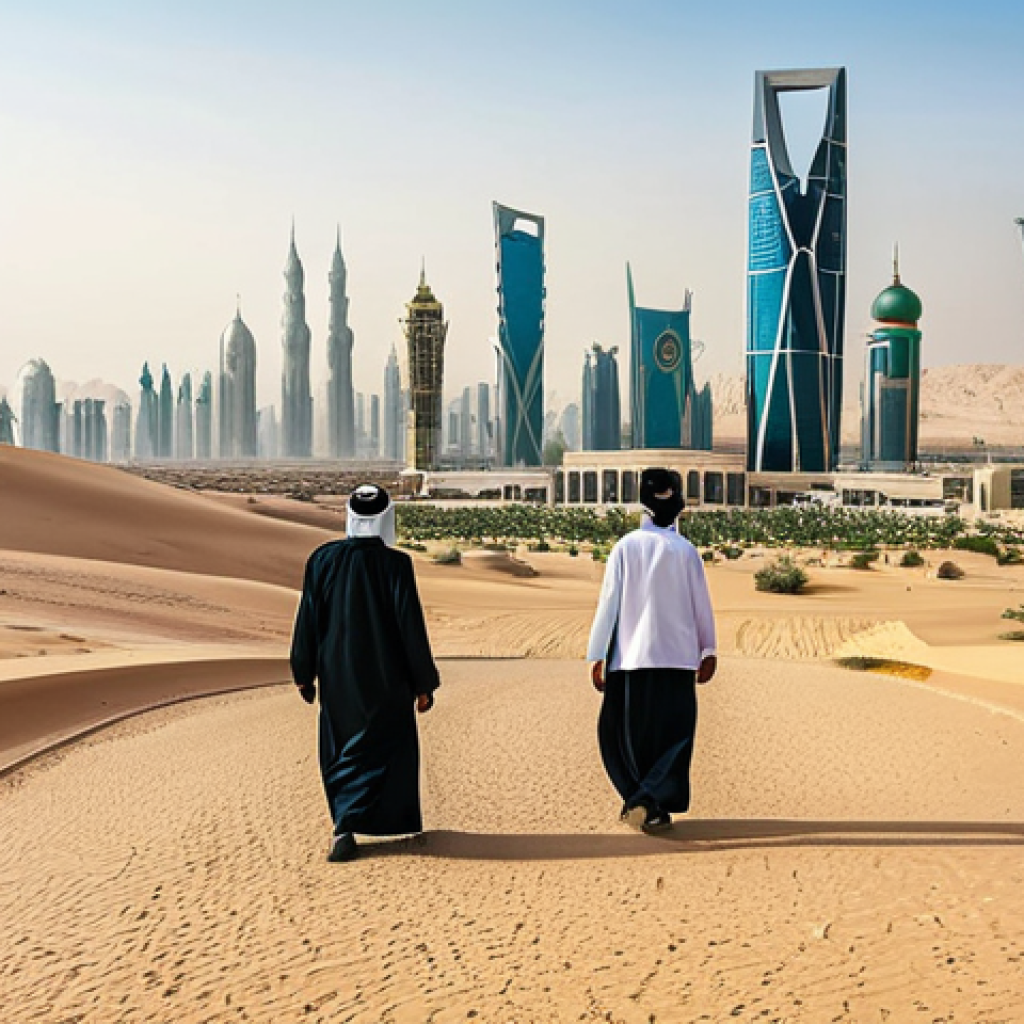
The story of Saudi Arabia is inextricably linked to oil. Before the black gold rush, the Kingdom was largely a desert nation, steeped in tradition but lacking the resources to truly modernize.
Then, in the 1930s, everything changed with the discovery of vast oil reserves. It wasn’t just about finding oil; it was about transforming a nation, impacting global energy markets, and shaping the modern world.
The oil industry became the lifeblood, fueling unprecedented growth and catapulting Saudi Arabia onto the world stage. Let’s dive deeper into the history and influence of Saudi Arabia’s oil industry!
Okay, I understand. Here’s the blog post you requested:
From Camel Caravans to Crude Oil Tankers: Early Exploration and Discovery
Imagine a time long before sprawling pipelines and towering oil rigs. Picture instead vast, silent deserts where nomadic tribes roamed for centuries. That was Saudi Arabia before oil. Initial exploration efforts in the early 20th century were met with skepticism. Many thought the region was too barren to yield any significant resources. It was a gamble, a long shot in the dark, but the potential reward was too great to ignore.
The First Gush: A Moment of Transformation
The discovery of oil in 1938 at Dammam No. 7 well was a watershed moment. I can only imagine the excitement, the disbelief, and the sheer sense of possibility that rippled through the region. It wasn’t just about finding oil; it was about unlocking a future that was previously unimaginable. It was like hitting the jackpot, but on a scale that could transform an entire nation.
Early Partnerships: Laying the Foundation
The early development of Saudi Arabia’s oil industry was heavily reliant on partnerships with foreign companies, primarily American ones. These collaborations provided the necessary expertise, technology, and capital to extract and export oil on a large scale. I remember reading about how these partnerships were structured; it was a delicate balance of protecting Saudi Arabia’s interests while leveraging the capabilities of international players. It was a complex dance of diplomacy and business acumen.
The Rise of Aramco: Nationalization and Global Power
The gradual nationalization of Aramco (originally the Arabian American Oil Company) marked a significant turning point. It was about taking control of the nation’s most valuable resource and ensuring that the benefits accrued primarily to the Saudi people. This decision, while bold, was met with mixed reactions globally, but it ultimately solidified Saudi Arabia’s position as a major player in the global energy market.
Asserting Control: The Staged Takeover
The transition wasn’t an overnight event; it was a carefully orchestrated process that spanned several years. I recall learning about the negotiations, the legal battles, and the political maneuvering that went into securing Saudi Arabia’s control over Aramco. It was a masterclass in strategic planning and execution.
Aramco Today: A Giant Among Giants
Today, Aramco stands as one of the largest and most valuable companies in the world. Its influence extends far beyond the energy sector, impacting global finance, technology, and geopolitics. When I think about Aramco, I see a symbol of Saudi Arabia’s ambition, its drive for innovation, and its commitment to shaping the future of energy.
Oil Embargoes and Market Influence: Navigating Geopolitical Tides
The 1973 oil crisis, triggered by the Arab oil embargo, demonstrated the immense power that Saudi Arabia wielded in the global energy market. It was a stark reminder of the world’s dependence on Saudi oil and the kingdom’s ability to influence prices and policies. It was a turbulent time, filled with uncertainty and economic hardship, but it also highlighted the strategic importance of Saudi Arabia.
The 1973 Crisis: A World on Edge
I remember reading about the long lines at gas stations, the rationing of fuel, and the sense of panic that gripped many countries. It was a wake-up call, forcing nations to re-evaluate their energy policies and explore alternative sources of energy. It was a pivotal moment in modern history.
Balancing Act: Production Levels and Global Stability
Saudi Arabia has often played a crucial role in stabilizing global oil markets by adjusting its production levels to meet demand. This delicate balancing act requires careful consideration of economic factors, geopolitical tensions, and the needs of both producers and consumers. It’s a responsibility that Saudi Arabia takes seriously, recognizing its position as a key player in the global energy landscape.
Petrodollars and Sovereign Wealth Funds: Investing in the Future
The accumulation of vast oil revenues has enabled Saudi Arabia to establish significant sovereign wealth funds, such as the Public Investment Fund (PIF). These funds are used to diversify the economy, invest in sustainable development projects, and secure the nation’s long-term prosperity. It’s about building a future that is less reliant on oil and more focused on innovation, technology, and human capital.
Diversification Efforts: Beyond Oil
The Saudi government has launched ambitious initiatives, such as Vision 2030, to diversify the economy and reduce its dependence on oil. These initiatives include investments in tourism, technology, renewable energy, and other sectors. I believe this diversification is essential for ensuring Saudi Arabia’s long-term economic resilience.
The Public Investment Fund: A Global Investor
The PIF has become a major player in global financial markets, investing in companies and projects around the world. These investments are aimed at generating returns, promoting innovation, and supporting Saudi Arabia’s economic diversification goals. It’s a strategic approach to managing wealth and securing the nation’s future.
| Year | Event | Significance |
|---|---|---|
| 1938 | Discovery of oil at Dammam No. 7 | Marks the beginning of Saudi Arabia’s oil era. |
| 1973 | Arab Oil Embargo | Highlights Saudi Arabia’s influence on global oil markets. |
| 1980 | Full nationalization of Aramco | Saudi Arabia gains complete control over its oil resources. |
| 2016 | Launch of Vision 2030 | Ambitious plan to diversify the Saudi economy. |
Environmental Concerns and the Push for Sustainability
Like all major oil-producing nations, Saudi Arabia faces growing pressure to address environmental concerns and transition to a more sustainable energy future. The kingdom is investing in renewable energy projects, exploring carbon capture technologies, and promoting energy efficiency. I think it’s crucial that Saudi Arabia takes a leadership role in addressing climate change.
Investing in Renewables: Solar and Wind Power
Saudi Arabia has vast potential for solar and wind energy, and the government is investing heavily in developing these resources. These projects are aimed at reducing reliance on fossil fuels and creating a cleaner energy mix. I’m excited to see the progress being made in this area.
Carbon Capture and Storage: Innovative Solutions
Carbon capture and storage technologies offer a potential way to reduce carbon emissions from oil and gas production. Saudi Arabia is exploring these technologies as part of its broader efforts to mitigate climate change. It’s a challenging but important area of research and development.
The Future of Saudi Oil: Balancing Tradition and Innovation
The future of Saudi Arabia’s oil industry will likely involve a delicate balance between maintaining its position as a major oil producer and embracing innovation and sustainability. The kingdom will need to adapt to changing global energy demand, address environmental concerns, and continue to diversify its economy. It’s a complex challenge, but I believe Saudi Arabia is well-positioned to navigate these challenges and thrive in the future.
Embracing Technology: AI and Automation
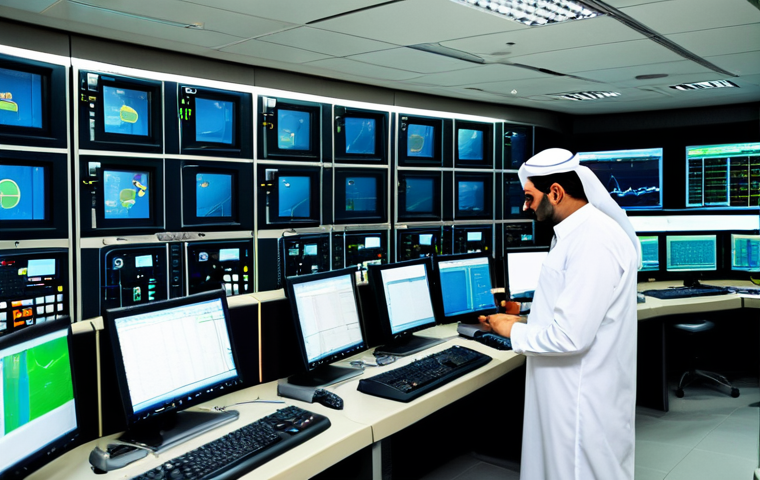
The adoption of artificial intelligence (AI) and automation technologies can help to improve efficiency, reduce costs, and enhance safety in the oil and gas industry. Saudi Arabia is investing in these technologies to stay ahead of the curve and maintain its competitive edge. It’s about leveraging technology to optimize operations and drive innovation.
Geopolitical Shifts and Future Strategies
The global energy landscape is constantly evolving, and Saudi Arabia must adapt its strategies to remain relevant and influential. This includes strengthening partnerships with other nations, diversifying its energy mix, and investing in new technologies. It’s about anticipating future trends and positioning Saudi Arabia for long-term success.
In Conclusion
From humble beginnings to global dominance, the story of Saudi Arabia’s oil industry is one of ambition, innovation, and strategic vision. As the kingdom navigates the challenges of a changing energy landscape, it will undoubtedly continue to play a pivotal role in shaping the future of energy for generations to come.
Good to Know Information
1. The official currency of Saudi Arabia is the Saudi Riyal (SAR).
2. The capital city of Saudi Arabia is Riyadh.
3. Saudi Arabia is home to Mecca and Medina, the two holiest cities in Islam.
4. Weekends in Saudi Arabia are Friday and Saturday.
5. The primary language spoken in Saudi Arabia is Arabic.
Key Takeaways
Saudi Arabia’s oil industry has transformed the nation and the global energy market. The country continues to balance its role as a major oil producer with the need for diversification and sustainability. The future of Saudi oil will depend on its ability to adapt to changing geopolitical and environmental landscapes.
Frequently Asked Questions (FAQ) 📖
Q: How did the discovery of oil actually change the daily lives of ordinary Saudis back in the mid-20th century?
A: Okay, so picture this: before oil, life in Saudi Arabia was pretty tough, mostly desert living, you know? But when they struck black gold, it wasn’t like everyone instantly became rich overnight.
What I’ve read and heard from folks who lived through it is that the biggest change was in infrastructure. Suddenly, there were schools being built, hospitals popping up, and roads being paved.
It wasn’t just about money; it was about access to education, healthcare, and opportunities that simply didn’t exist before. It’s like going from living in a small town with a dirt road to having a highway and a college right down the street.
Big difference!
Q: Beyond the economic impact, how did the oil boom affect Saudi
A: rabia’s position on the global political stage? A2: Well, let me tell you, it wasn’t just about filling gas tanks! Suddenly, Saudi Arabia had a seat at the table where the big decisions about energy were being made.
They weren’t just some desert nation anymore; they were a major player in global economics and politics. Think about it: controlling a huge chunk of the world’s oil supply gives you a lot of leverage.
I remember reading about the oil crisis in the 70s – that really showed everyone just how influential Saudi Arabia had become. They went from being relatively unknown to a country that could impact the economies of entire nations.
Q: There’s talk about diversifying the Saudi economy away from oil. Is that a realistic goal, and what are some of the challenges they face in doing so?
A: That’s the million-dollar question, isn’t it? From what I understand, moving away from being so reliant on oil is definitely the long-term goal, but it’s not like flipping a switch.
The challenge is that oil money has basically funded everything for decades. It’s like trying to retrain for a whole new career after being in the same job your whole life.
They’re investing in tourism, technology, and other sectors, but it takes time and serious commitment. Plus, there’s always the risk of oil prices fluctuating, which can throw a wrench into their plans.
I think it’s a smart move to diversify, but it’s a marathon, not a sprint.
📚 References
Wikipedia Encyclopedia
구글 검색 결과
구글 검색 결과
구글 검색 결과
구글 검색 결과
6. Year
Event
Significance
Discovery of oil at Dammam No. 7
Marks the beginning of Saudi Arabia’s oil era.
Arab Oil Embargo
Highlights Saudi Arabia’s influence on global oil markets.
Full nationalization of Aramco
Saudi Arabia gains complete control over its oil resources.
Launch of Vision 2030
Ambitious plan to diversify the Saudi economy.
Environmental Concerns and the Push for Sustainability
Like all major oil-producing nations, Saudi Arabia faces growing pressure to address environmental concerns and transition to a more sustainable energy future. The kingdom is investing in renewable energy projects, exploring carbon capture technologies, and promoting energy efficiency. I think it’s crucial that Saudi Arabia takes a leadership role in addressing climate change.
Investing in Renewables: Solar and Wind Power
Saudi Arabia has vast potential for solar and wind energy, and the government is investing heavily in developing these resources. These projects are aimed at reducing reliance on fossil fuels and creating a cleaner energy mix. I’m excited to see the progress being made in this area.
Carbon Capture and Storage: Innovative Solutions
Carbon capture and storage technologies offer a potential way to reduce carbon emissions from oil and gas production. Saudi Arabia is exploring these technologies as part of its broader efforts to mitigate climate change. It’s a challenging but important area of research and development.
The Future of Saudi Oil: Balancing Tradition and Innovation
The future of Saudi Arabia’s oil industry will likely involve a delicate balance between maintaining its position as a major oil producer and embracing innovation and sustainability. The kingdom will need to adapt to changing global energy demand, address environmental concerns, and continue to diversify its economy. It’s a complex challenge, but I believe Saudi Arabia is well-positioned to navigate these challenges and thrive in the future.
Embracing Technology: AI and Automation
The adoption of artificial intelligence (AI) and automation technologies can help to improve efficiency, reduce costs, and enhance safety in the oil and gas industry. Saudi Arabia is investing in these technologies to stay ahead of the curve and maintain its competitive edge. It’s about leveraging technology to optimize operations and drive innovation.
Geopolitical Shifts and Future Strategies
구글 검색 결과