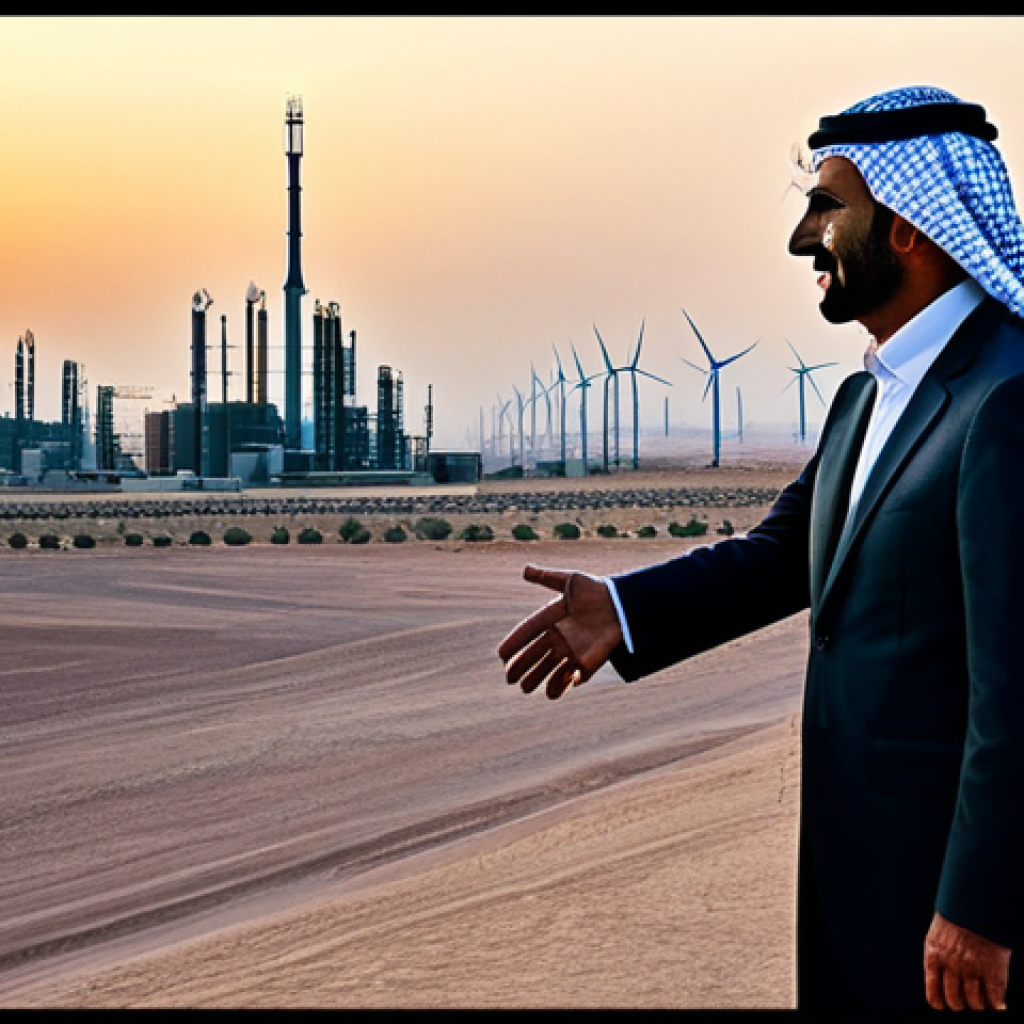
The relationship between the United States and Saudi Arabia is a complex tapestry woven with threads of economic cooperation, strategic alliances, and, at times, significant tension.
For decades, the two nations have maintained a partnership built largely on oil and security interests. The US has long relied on Saudi Arabia as a key oil supplier, while the Kingdom has looked to the US for military support and defense.
However, the evolving global landscape, shifting US energy policies, and concerns over human rights have introduced new dynamics into this crucial relationship.
It’s a partnership constantly being redefined by the currents of geopolitics and economic realities, and I think understanding its nuances is more important than ever.
Let’s delve into the details and get a clearer picture!
The relationship between the United States and Saudi Arabia is a complex tapestry woven with threads of economic cooperation, strategic alliances, and, at times, significant tension.
For decades, the two nations have maintained a partnership built largely on oil and security interests. The US has long relied on Saudi Arabia as a key oil supplier, while the Kingdom has looked to the US for military support and defense.
However, the evolving global landscape, shifting US energy policies, and concerns over human rights have introduced new dynamics into this crucial relationship.
It’s a partnership constantly being redefined by the currents of geopolitics and economic realities, and I think understanding its nuances is more important than ever.
Navigating the Shifting Sands of Oil Politics
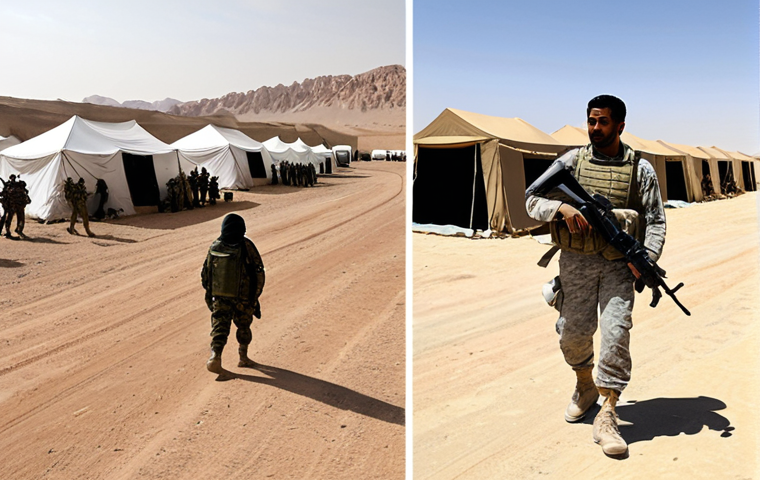
The bedrock of the US-Saudi relationship has always been oil. But lately, it feels like the ground is shifting beneath our feet. The US shale revolution has dramatically reduced America’s reliance on Saudi oil, changing the power dynamics.
I remember when any fluctuation in Saudi oil production would send shockwaves through the US economy. Now, while still important, Saudi Arabia’s influence isn’t quite what it used to be.
And the Kingdom, acutely aware of this, is diversifying its economy through Vision 2030, a bold plan to reduce its dependence on oil revenue. I’ve been following this closely, and it’s clear that the Saudis are playing the long game, trying to secure their economic future in a world that’s moving towards cleaner energy sources.
The Shale Revolution and American Energy Independence
The rise of shale oil production in the US has undeniably altered the equation. It’s given America greater energy independence and reduced its vulnerability to disruptions in the global oil market.
But it’s not a zero-sum game. Saudi Arabia remains a major player, and the two countries still need to coordinate on production levels to maintain stability in the market.
It’s a delicate balancing act, one that requires constant communication and a willingness to compromise.
Saudi Arabia’s Vision 2030 and Economic Diversification
Vision 2030 is a massive undertaking, aiming to transform Saudi Arabia into a modern, diversified economy. From developing tourism to investing in technology, the Saudis are exploring new avenues for growth.
This is something I’ve personally found interesting, especially their investments in renewable energy, which could potentially pave the way for a more sustainable future.
Security Concerns and the Enduring Alliance
Despite the changing oil landscape, security cooperation remains a crucial pillar of the US-Saudi relationship. The US has long been a key provider of military hardware and training to Saudi Arabia, helping the Kingdom to defend itself against regional threats.
But this alliance has also been a source of controversy, particularly in light of the ongoing conflict in Yemen. I think it’s essential to consider the complexities of the situation.
The US sees Saudi Arabia as a vital partner in countering terrorism and maintaining stability in the Middle East. But at the same time, there are growing concerns about the human cost of the war in Yemen and the need for greater accountability.
Counterterrorism Efforts and Regional Stability
Both the US and Saudi Arabia share a common interest in combating terrorism and extremism. They have worked closely together on intelligence sharing and counterterrorism operations.
This cooperation is vital for maintaining regional stability and preventing the spread of radical ideologies.
The Yemen Conflict and Humanitarian Concerns
The war in Yemen has been a humanitarian disaster, and the US support for the Saudi-led coalition has come under increasing scrutiny. There’s a growing demand for the US to play a more active role in pushing for a peaceful resolution to the conflict and ensuring that humanitarian aid reaches those in need.
It’s a moral imperative that cannot be ignored.
Human Rights and Diplomatic Tensions
The issue of human rights has always been a sensitive one in the US-Saudi relationship. Concerns about the Kingdom’s human rights record, particularly in areas such as freedom of speech and women’s rights, have led to increased criticism in the US.
The murder of Jamal Khashoggi in 2018 further strained relations and prompted calls for greater accountability.
The Khashoggi Murder and International Outcry
The murder of Jamal Khashoggi was a shocking event that sent shockwaves around the world. It raised serious questions about the Saudi government’s human rights record and led to increased pressure on the US to reassess its relationship with the Kingdom.
Balancing Strategic Interests and Moral Values
The US faces a difficult challenge in balancing its strategic interests with its moral values when it comes to Saudi Arabia. On the one hand, the US needs Saudi Arabia as a partner in counterterrorism and regional security.
On the other hand, the US cannot turn a blind eye to human rights abuses.
The Future of US-Saudi Relations: A Path Forward
The US-Saudi relationship is at a crossroads. The old certainties are gone, and the two countries need to find a new way to work together in a changing world.
This will require a willingness to address difficult issues, such as human rights and the war in Yemen, and to find common ground on issues such as climate change and economic development.
Areas of Potential Cooperation: Climate Change and Green Energy
Despite their differences, the US and Saudi Arabia have a shared interest in addressing climate change and developing green energy technologies. Saudi Arabia is investing heavily in renewable energy, and the US has the technology and expertise to help the Kingdom achieve its goals.
Reassessing the Alliance: A More Balanced Approach

The US needs to reassess its relationship with Saudi Arabia and adopt a more balanced approach. This means continuing to cooperate on areas of mutual interest, such as counterterrorism, while also holding the Kingdom accountable for its human rights record.
It’s a complex equation, but it’s essential for ensuring a stable and sustainable relationship in the long term.
Economic Interdependence and Investment Flows
Beyond oil, the economic ties between the US and Saudi Arabia are multifaceted. There’s significant two-way investment, with Saudi sovereign wealth funds playing an increasingly prominent role in the US economy.
These investments range from real estate to technology startups, creating jobs and fostering innovation. On the other hand, US companies have a strong presence in Saudi Arabia, particularly in sectors like defense, healthcare, and infrastructure.
This economic interdependence provides a strong foundation for the relationship, but it also makes it vulnerable to political and security risks.
Saudi Investments in the US: Opportunities and Concerns
Saudi investments in the US can bring capital and jobs but also raise concerns about national security and foreign influence. Striking a balance between welcoming foreign investment and protecting US interests is crucial.
* CFIUS Scrutiny: Reviewing Saudi investments through the Committee on Foreign Investment in the United States (CFIUS) to ensure they don’t pose national security risks.
* Transparency: Requiring greater transparency in the ownership and control of Saudi-backed entities operating in the US.
US Companies in Saudi Arabia: Opportunities and Challenges
US companies operating in Saudi Arabia can tap into a large and growing market, but they also face challenges related to regulatory compliance, cultural differences, and political instability.
* Compliance: Adhering to Saudi laws and regulations, which may differ significantly from those in the US. * Localization: Meeting Saudization requirements, which mandate the hiring of Saudi nationals.
The Role of Public Opinion and Cultural Exchange
Public opinion in both countries plays a significant role in shaping the US-Saudi relationship. Negative perceptions of Saudi Arabia in the US, driven by concerns about human rights and the war in Yemen, can make it difficult for the government to maintain close ties with the Kingdom.
Similarly, negative perceptions of the US in Saudi Arabia, fueled by perceived US meddling in the Middle East and support for Israel, can complicate the relationship.
Cultural exchange programs can help to bridge these divides and foster greater understanding between the two countries.
Bridging Cultural Divides: Exchange Programs and People-to-People Diplomacy
Exchange programs, educational initiatives, and people-to-people diplomacy can help to foster greater understanding and empathy between Americans and Saudis.
These initiatives can counter negative stereotypes and promote cross-cultural dialogue. * Student Exchanges: Supporting student exchange programs between US and Saudi universities to promote academic and cultural exchange.
* Professional Exchanges: Facilitating professional exchanges in fields like journalism, healthcare, and business to foster collaboration and knowledge sharing.
The Impact of Media Coverage and Public Discourse
Media coverage and public discourse can significantly influence public opinion about the US-Saudi relationship. Sensationalized or biased reporting can exacerbate negative perceptions and undermine efforts to build trust and understanding.
Here’s a table summarizing key aspects of the US-Saudi relationship:
| Aspect | Description | Key Issues |
|---|---|---|
| Oil | Saudi Arabia is a major oil producer, and the US has historically relied on Saudi oil supplies. | Shifting US energy policies, OPEC production decisions, and the rise of renewable energy. |
| Security | The US provides military support and training to Saudi Arabia, and the two countries cooperate on counterterrorism. | The Yemen conflict, human rights concerns, and the balance between strategic interests and moral values. |
| Human Rights | Concerns about Saudi Arabia’s human rights record have strained relations with the US. | Freedom of speech, women’s rights, and the treatment of dissidents. |
| Economy | Significant two-way investment and trade between the US and Saudi Arabia. | Saudi investments in the US, US companies in Saudi Arabia, and economic diversification. |
| Public Opinion | Public opinion in both countries can influence the relationship. | Negative perceptions of Saudi Arabia in the US and negative perceptions of the US in Saudi Arabia. |
The US-Saudi relationship is a complex and evolving one, shaped by a multitude of factors. While oil and security concerns have long been the cornerstones of this alliance, human rights, economic diversification, and shifting geopolitical dynamics are increasingly important considerations.
Navigating this intricate landscape requires a nuanced understanding of the challenges and opportunities that lie ahead. It’s a relationship that demands constant dialogue, mutual respect, and a willingness to adapt to the changing times.
The future of this partnership will depend on the ability of both countries to address their differences and find common ground on issues of shared concern.
Concluding Thoughts
As we look ahead, it’s clear that the US-Saudi relationship will continue to be a critical factor in shaping the geopolitical landscape of the Middle East and beyond. The challenge lies in finding a way to balance competing interests and values while ensuring that the alliance remains a force for stability and prosperity.
Both nations must be willing to engage in open and honest dialogue, address human rights concerns, and work together to promote economic development and regional security. Only then can this complex relationship reach its full potential and contribute to a more peaceful and prosperous world.
The path forward won’t be easy, but with a commitment to mutual understanding and cooperation, the US and Saudi Arabia can navigate the challenges ahead and build a stronger, more sustainable partnership for the future.
Useful Information
1. Understanding the US Energy Market: Familiarize yourself with the dynamics of the US energy market, including the role of shale oil and natural gas, to better understand the country’s energy independence.
2. Following Saudi Vision 2030: Keep up-to-date with Saudi Arabia’s Vision 2030 and its efforts to diversify the economy beyond oil, including investments in tourism, technology, and renewable energy.
3. Analyzing US Foreign Policy: Stay informed about US foreign policy towards the Middle East, including its security alliances, counterterrorism efforts, and human rights concerns.
4. Tracking Global Oil Prices: Monitor global oil prices and production levels to understand the impact of Saudi Arabia’s oil policies on the global economy.
5. Exploring Cultural Exchange Programs: Consider participating in cultural exchange programs or educational initiatives to gain a deeper understanding of Saudi culture and society.
Key Takeaways
The US-Saudi relationship is a complex and multifaceted one, shaped by a variety of factors, including oil, security, human rights, and economic interests.
The evolving global landscape and shifting US energy policies are introducing new dynamics into this crucial relationship, requiring both countries to adapt and find new ways to cooperate.
Balancing strategic interests with moral values is a key challenge for the US in its relationship with Saudi Arabia, particularly in light of human rights concerns and the conflict in Yemen.
The future of the US-Saudi relationship will depend on the ability of both countries to address their differences, find common ground on issues of shared concern, and build a more balanced and sustainable partnership for the long term.
Frequently Asked Questions (FAQ) 📖
Q: What’s the main reason the US and Saudi
A: rabia have been so close for so long? A1: Honestly, it boils down to two big things: oil and security. The US needs a steady supply of oil, and Saudi Arabia’s got plenty of it.
Plus, the Kingdom wants someone strong to help them defend themselves, and the US military is, well, you know, the US military. It’s been a pretty solid deal for both sides for decades, even if it sometimes feels like a marriage of convenience.
Q: Okay, so what’s making things a little rocky these days between the two countries?
A: A bunch of stuff, really. The US is trying to rely less on foreign oil these days, which definitely changes the dynamic. And then there are the human rights issues – not everyone in the US is thrilled with Saudi Arabia’s track record.
Plus, with how things are changing globally, both countries are re-evaluating their priorities. It’s like when you’ve been friends with someone since grade school, but then you grow up and realize you have different interests now, you know?
Q: So, is this relationship likely to completely fall apart anytime soon?
A: I highly doubt it. While there are definitely tensions and disagreements, both countries still benefit from the partnership. The US still needs Saudi Arabia’s cooperation in the Middle East, and the Kingdom still values the US security umbrella.
It’s more likely they’ll keep trying to navigate the relationship, even if it means some awkward moments and tough compromises along the way. Think of it like a family – you might argue, but you’re still family at the end of the day.
📚 References
Wikipedia Encyclopedia
구글 검색 결과
구글 검색 결과
구글 검색 결과
구글 검색 결과
구글 검색 결과