Have you ever genuinely wondered what culinary treasures lie hidden within the heart of the Arabian Peninsula? My own recent dive into Saudi cuisine completely reshaped my understanding of comfort food and cultural depth.
From the moment I first inhaled the aroma of Kabsa, that fragrant, spice-infused rice dish teeming with tender meat, I knew I was in for a truly unique experience.
Then came Mandi, with its impossibly tender, slow-cooked perfection, a dish that literally melts in your mouth and leaves you craving more. And let’s not forget the humble yet utterly addictive Samosa, a crispy, savory delight that’s perfect for any time of day.
In a world increasingly seeking authentic, regional flavors, and with Saudi Arabia’s burgeoning tourism sector poised to welcome more visitors than ever, these dishes aren’t just meals; they’re an immersive journey into centuries of hospitality and heritage.
Honestly, experiencing these flavors firsthand, you feel a profound connection to the land and its people, a warmth that only true, soul-nourishing food can bring.
Let’s find out exactly what makes them so special.
The Heartbeat of Saudi Tables: Kabsa’s Reign
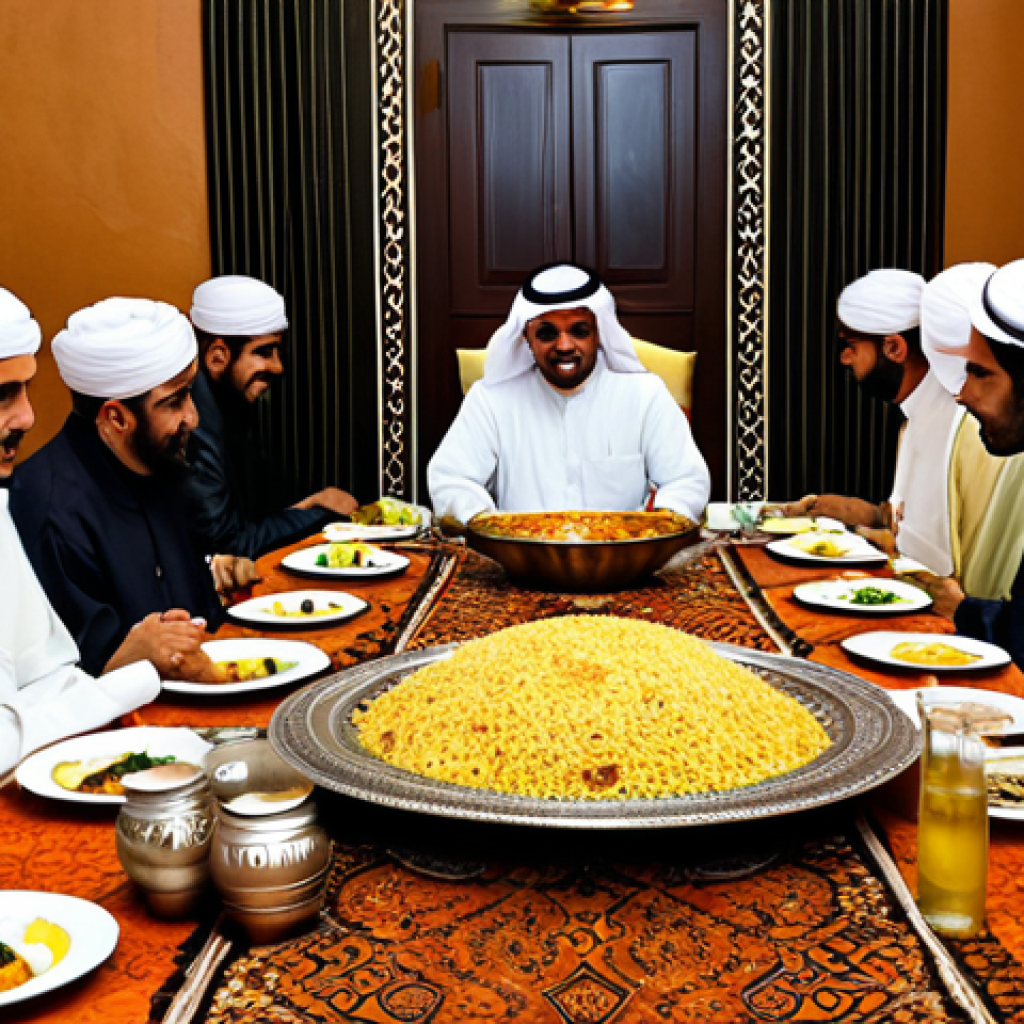
Stepping into a Saudi home or a traditional restaurant, my senses were immediately enveloped by the intoxicating aroma of Kabsa. It’s more than just a dish; it’s practically the national dish, a symbol of generosity and hospitality. I remember my first bite, a revelation of perfectly cooked rice, each grain infused with the rich, aromatic spices—cinnamon, cardamom, cloves, and bay leaves—that somehow dance together without overwhelming the palate. The tender meat, usually chicken or lamb, falls right off the bone, having slow-cooked to perfection in a broth that imparts deep, savory notes into the rice. What struck me most was the communal aspect of it all; often served on a massive platter, it’s a dish meant for sharing, bringing people together around a table in a beautiful display of connection. I felt an immediate sense of warmth and belonging, as if the food itself was extending a welcoming hand. It’s truly a labor of love, a culinary masterpiece that embodies the spirit of Saudi Arabian culture, and one bite instantly transports you to the heart of its heritage. My experience with Kabsa wasn’t just about eating; it was about participating in a centuries-old tradition.
1. The Aromatic Alchemy of Kabsa Spices
When I tried to dissect the magic of Kabsa, I realized a significant part of its allure lies in the precise blend of spices. My host, an incredibly gracious woman named Fatima, showed me her personal spice mix, a cherished family secret passed down through generations. She explained how each spice plays a crucial role: the warmth of cinnamon, the fragrant lift of cardamom, the subtle bite of black pepper, and the earthy undertones of turmeric. It’s not about overpowering the main ingredients but enhancing them, creating layers of flavor that slowly reveal themselves with each mouthful. I’ve always found that the quality of spices can make or break a dish, and in Kabsa, it’s absolutely paramount. The fresh, vibrant aroma that fills the kitchen when these spices hit the hot oil is something I’ll never forget; it’s a prelude to the rich, comforting experience that awaits. It’s an art form, really, balancing these potent flavors to create something so harmoniously delicious.
2. Lamb vs. Chicken: A Kabsa Conundrum
During my culinary exploration, I encountered both lamb and chicken Kabsa, and frankly, each offers a distinctly different yet equally delightful experience. The lamb Kabsa, often made with succulent pieces of slow-cooked lamb shoulder or shank, has a deeper, richer flavor profile. The meat becomes incredibly tender, almost melting into the rice, absorbing all the aromatic spices and broth. It feels more robust, a truly hearty meal perfect for a gathering. On the other hand, chicken Kabsa, typically prepared with half or whole chickens, tends to be lighter but equally flavorful. The chicken, often roasted or fried after being simmered, adds a wonderful texture contrast to the soft rice. I personally lean towards the lamb for its profound depth, but the chicken version is fantastic for a slightly less heavy, yet equally satisfying, meal. It truly boils down to personal preference, but either way, you’re in for a treat that will undoubtedly leave you feeling nourished and content.
Mandi: A Testament to Patience and Flavor
Mandi, oh Mandi! If Kabsa is the heartbeat, Mandi is the soul of Saudi comfort food. My first encounter with this dish left me utterly speechless. It’s essentially slow-cooked meat and rice, but the method of cooking is what truly sets it apart and elevates it to another level of culinary artistry. Traditionally, Mandi is cooked in a ‘taboon’ – a special oven dug into the ground. The meat (usually lamb or chicken) is suspended above the rice, allowing its juices and rendered fat to drip down, infusing the rice with an unbelievably rich, smoky flavor. The result is meat so unbelievably tender it literally falls off the bone with the slightest touch, and rice that’s incredibly fragrant, moist, and deeply savory. I’ve always been a fan of slow-cooked dishes, but the depth of flavor achieved with Mandi, combined with its smoky notes, was genuinely a new experience for me. It’s a testament to how patience and traditional cooking methods can transform simple ingredients into something truly extraordinary. Each grain of rice and every morsel of meat tells a story of meticulous preparation and culinary wisdom.
1. The Earth Oven Secret: How Mandi Gets Its Magic
The magic of Mandi, as I discovered, lies almost entirely in its unique preparation method. My host proudly explained that the authentic flavor comes from cooking the dish in a ‘taboon’ or a similar underground oven. This isn’t just a traditional quirk; it’s a fundamental part of the cooking process. The intense, even heat from the ground, combined with the sealed environment, allows the meat to cook incredibly slowly, becoming incredibly tender while simultaneously rendering fat that drips onto the rice below. This process not only imparts flavor but also ensures the rice cooks perfectly, absorbing all the smoky aromas and meat juices. I imagined the steam and flavors circulating within that confined space, creating an unparalleled succulence that a conventional oven simply can’t replicate. It’s a culinary technique that reflects centuries of adaptation to the desert environment, utilizing natural resources to create food that is both hearty and incredibly flavorful. Witnessing even a modern interpretation of this method was truly fascinating, giving me a deeper appreciation for the dish.
2. The Perfect Accompaniments: Enhancing Your Mandi Experience
While Mandi is a complete meal in itself, I quickly learned that it’s often served with a few key accompaniments that elevate the entire experience. The most common is a spicy tomato salsa, often referred to as ‘sahawik’ or ‘dukkus’. Its fresh, tangy, and spicy kick provides a beautiful contrast to the richness of the meat and rice, cutting through the fats and adding a refreshing zest. Another essential is a fresh salad, usually a simple mix of cucumber, tomato, and onion, dressed lightly. This offers a crisp, cool counterpoint, cleansing the palate and adding a vibrant crunch. And of course, a side of plain yogurt or a yogurt-based sauce is almost always present, offering a creamy, cooling element that perfectly balances the heavier components of the dish. I found that combining a little bit of each on my plate with every spoonful of Mandi made for an incredibly dynamic and satisfying culinary journey, ensuring every bite was a symphony of flavors and textures.
Beyond the Mains: The Irresistible Allure of Saudi Appetizers
While Kabsa and Mandi rightfully steal the spotlight, I quickly realized that the Saudi culinary landscape is rich with a vibrant array of appetizers and smaller bites that are equally captivating. These aren’t just preludes to the main course; they are stars in their own right, perfect for snacking, sharing, or even making up a light meal. My personal journey through these smaller delights started with the humble Samosa, but extended far beyond, revealing a delightful tapestry of flavors and textures. From crispy fried pastries to fresh, vibrant salads, each appetizer I encountered told a story of local ingredients and traditional preparation. It’s in these smaller dishes that you truly appreciate the diversity and ingenuity of Saudi home cooking, often prepared with a blend of regional spices and fresh produce. I found myself reaching for these small bites again and again, finding them perfectly satisfying and always leaving me wanting just one more.
1. The Ubiquitous Charm of Samosa and Sambusak
You might think you know samosas, but trying them in Saudi Arabia, often referred to as ‘sambusak’, offered a fresh perspective. These crispy, triangular parcels, whether fried or baked, are an absolute staple. I remember being offered a plate of freshly fried sambusak, piping hot and glistening, filled with everything from spiced minced meat (lahm) to creamy cheese (jubnah) and even vegetables (khudar). The pastry is wonderfully crisp, offering a delightful crunch before you hit the savory, often spicy, filling. What impressed me was the sheer variety and how perfectly they’re seasoned; each bite burst with flavor. They’re often served as an Iftar staple during Ramadan, but you’ll find them year-round, at every family gathering and roadside eatery. I quickly became addicted to the cheese-filled ones, their gooey, salty interior a perfect complement to the flaky crust. It’s a simple snack, yes, but executed with such precision and flavor that it quickly becomes unforgettable, a true testament to the power of well-made comfort food.
2. Freshness and Flavor: Salads and Dips That Delight
Complementing the richer dishes, I discovered an incredible range of fresh salads and dips that truly balance the Saudi meal. One that stood out was ‘Tabouleh’, a vibrant parsley-based salad with bulgur wheat, tomatoes, and lemon juice. Its refreshing tang and herby freshness are simply invigorating. Another staple is ‘Fattoush’, a hearty salad featuring mixed greens, tomatoes, cucumbers, radishes, and toasted or fried pieces of flatbread, often dressed with sumac for a distinctive sour note. And then there are the dips! ‘Hummus’, of course, is a beloved classic, creamy chickpea puree blended with tahini, lemon, and garlic, often drizzled with olive oil. But I also fell in love with ‘Mutabal’, a smoky roasted eggplant dip similar to baba ghanoush, but often richer and creamier. These fresh components are crucial; they provide textural contrast, a burst of freshness, and often a much-needed zing that cuts through the richness of the main courses, making the entire meal feel incredibly well-rounded and satisfying. I genuinely appreciated how thoughtfully these elements were integrated into the dining experience.
The Sweet Side of Saudi Hospitality: Desserts and Dates
After experiencing the incredible savory dishes, I was equally eager to dive into Saudi Arabia’s sweet offerings, and I was not disappointed. Saudi desserts are often characterized by their richness, their use of dates, nuts, and syrup, and their integral role in expressions of hospitality. What truly surprised me was not just the variety, but the sheer generosity with which these sweets are offered, always accompanied by warmth and a genuine desire to share. My own sweet tooth was certainly put to the test, but in the best possible way. From crispy, syrup-soaked pastries to delicate, date-filled cookies, each dessert felt like a hug for the soul, a perfect end to any meal or a delightful treat enjoyed with friends over coffee. It truly underscored the generosity that flows through Saudi culture.
1. Dates: More Than Just a Fruit, a Cultural Cornerstone
I quickly learned that dates are not merely a snack in Saudi Arabia; they are a profound symbol of hospitality, tradition, and sustenance. Everywhere I went, from bustling souks to quiet homes, I was offered dates – often a variety I had never seen before. There are so many types, each with its unique texture and sweetness, from the soft, almost caramel-like Medjool to the firmer, subtly sweet Sukkari. My host proudly explained how dates have sustained generations in the desert, a vital source of energy and nutrients. They are integral to breaking the fast during Ramadan, but also enjoyed daily, often with Arabic coffee. I particularly loved how some dates are stuffed with nuts, turning a simple fruit into a luxurious bite. Experiencing this tradition firsthand, I understood that offering dates is not just a gesture; it’s an invitation to share in a deep-rooted cultural heritage, a gesture of profound respect and welcome that truly touched me.
2. Indulging in Traditional Saudi Sweets
Beyond dates, Saudi Arabia boasts a delightful array of traditional sweets that are utterly irresistible. My absolute favorite was ‘Luqaimat’, golden-fried dough balls, crispy on the outside and wonderfully soft on the inside, generously drizzled with date syrup (dibbs) or honey. They’re dangerously addictive, especially when warm, and the combination of the slight crispness and gooey sweetness is pure bliss. Then there’s ‘Kunafa’, a dessert that feels both ancient and eternally popular. Made with fine vermicelli-like pastry (kadaif) layered with creamy cheese, then baked until golden and soaked in a fragrant rosewater or orange blossom syrup, it’s a sensory explosion. The contrast between the crunchy pastry and the molten cheese is truly remarkable. I also tried ‘Basbousa’, a moist semolina cake soaked in syrup, often flavored with coconut or almonds. Each of these desserts wasn’t just sweet; they were rich in history and flavor, a perfect reflection of the generous and warm Saudi spirit. I remember feeling a genuine sense of comfort and contentment after indulging in these delectable treats, a testament to the warmth of Saudi hospitality.
The Essential Refreshments: Coffee, Tea, and Beyond
In Saudi Arabia, beverages are more than just thirst quenchers; they are integral to social rituals, hospitality, and daily life. My experience quickly taught me that offering coffee and tea is a fundamental gesture of welcoming, a conversation starter, and a way to foster connection. It’s a beautiful custom that transcends mere consumption, creating moments of pause and shared experience. From the moment I stepped into a home, a small cup of Arabic coffee was often the first thing extended to me, setting the tone for warm interactions. It’s a subtle yet powerful aspect of the culture that truly enhances the overall culinary journey, emphasizing that dining is as much about human connection as it is about food. I genuinely savored these moments, finding them as enriching as the meals themselves.
1. The Ritual of Arabic Coffee (Gahwa)
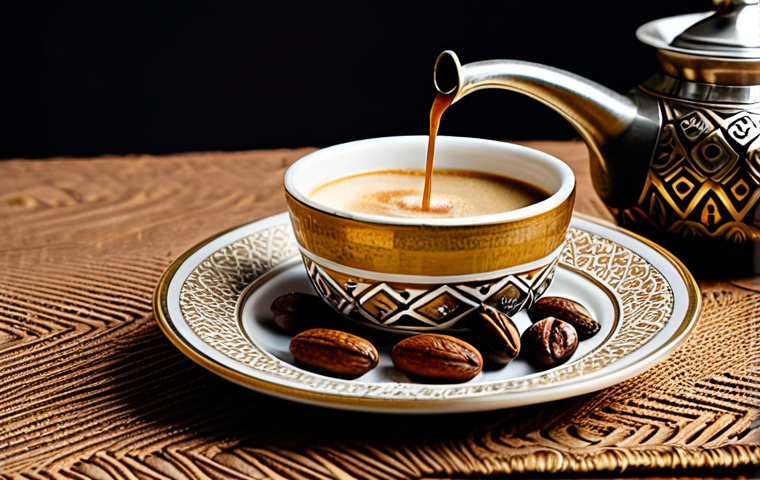
The serving of Arabic coffee, or ‘Gahwa’, is a ritual that I found deeply fascinating and incredibly charming. It’s not the strong, dark brew many are accustomed to. Instead, Gahwa is a light-colored coffee, often made with lightly roasted beans, infused with cardamom, and sometimes other spices like saffron or cloves. It’s served black, unsweetened, in small, handle-less cups called ‘finjan’. The bitterness of the coffee is intentionally balanced by the sweetness of dates or other sweets offered alongside it. What truly makes it special is the way it’s served: typically by the youngest person present or the host, constantly refilling your cup until you gently shake it to indicate you’ve had enough. I remember sitting for hours, sipping Gahwa, engaging in wonderful conversations, and feeling completely at ease. It’s a symbol of generosity and respect, a timeless tradition that brings people together and forms the backdrop for countless social interactions. I learned to appreciate its subtle nuances and the profound cultural significance behind each pour.
2. Tea and Other Refreshing Beverages
While Arabic coffee holds a special place, tea is equally popular, especially sweet black tea often served with mint (shai bi na’na). After a hearty meal, a cup of this sweet, fragrant tea is incredibly comforting and aids digestion. I found myself frequently enjoying it, the mint offering a refreshing counterpoint to the sweetness. Beyond hot beverages, I also discovered a range of refreshing cold drinks. Freshly squeezed juices, particularly orange or pomegranate, are widely available and incredibly vibrant. During my travels, I noticed a particular fondness for ‘Laban’ (fermented milk drink), often consumed as a cooling and nutritious beverage, especially during the hotter months. Some places even offer unique concoctions like ‘Vimto’ during Ramadan, a sweet, fruity cordial that becomes a traditional thirst quencher. The variety of beverages available truly complements the diverse flavors of Saudi cuisine, ensuring there’s always something perfectly suited to refresh and delight, no matter the occasion or weather.
Experiencing Saudi Cuisine as a Traveler: Tips and Delights
As someone who loves exploring cultures through food, I can genuinely say that diving into Saudi cuisine as a traveler was an incredibly rewarding experience. It’s not just about the taste; it’s about the entire cultural immersion that comes with each meal. From the bustling local eateries to the grand family feasts, every dining experience offered a unique insight into the heart of Saudi hospitality. I quickly learned that being open-minded and willing to try new things would lead to the most authentic and memorable encounters. The generosity of the people, their willingness to share their culinary heritage, made every meal feel like an invitation into their world. If you’re planning a visit, or simply curious, here are some insights and tips I gathered that truly enhanced my gastronomic adventure.
1. Navigating Local Eateries and Restaurants
My advice for anyone looking to truly experience Saudi food is to venture beyond the typical tourist spots and explore local eateries. That’s where the real magic happens. I found that places called ‘mandi houses’ (مطاعم المندي) are fantastic for authentic Mandi, often serving it in traditional settings where you might even sit on the floor, which adds to the experience. Don’t be afraid to ask for recommendations from locals; they are incredibly proud of their food and eager to guide you. Look for establishments that are bustling with families – that’s usually a good sign. Many places specialize in one or two dishes, perfecting them, so you’ll find dedicated Kabsa or Mandi restaurants. I personally loved the atmosphere of these local spots; they might not be fancy, but the food is consistently incredible, and the vibe is genuinely authentic. Sometimes, the best experiences come from the least expected places, and in Saudi Arabia, this certainly applies to finding culinary gems.
2. Dining Etiquette and Cultural Nuances
Understanding a few key dining etiquettes can greatly enhance your experience and show respect for local customs. I quickly learned the importance of eating with your right hand, especially when sharing a communal platter, as the left hand is traditionally considered unclean. It’s common to see people eating with their hands, especially for dishes like Kabsa and Mandi, and I wholeheartedly recommend trying it; it connects you to the food in a more primal way. Guests are always served first, and it’s considered polite to accept what is offered to you. Conversations flow freely during meals, and it’s a time for connection and sharing. Don’t be surprised if you’re encouraged to eat more; it’s a sign of excellent hospitality. I noticed that if you’re offered coffee, shaking your cup gently from side to side is the signal that you’ve had enough. Embracing these small cultural nuances made me feel more integrated and deepened my appreciation for the warmth and generosity of Saudi people.
| Dish Name | Main Ingredients | Key Characteristics | My Personal Takeaway |
|---|---|---|---|
| Kabsa | Rice, Meat (chicken/lamb), Aromatic Spices | Fragrant, spiced rice dish; often considered the national dish. | A comforting hug in a bowl; incredible depth of flavor that truly feels like home. |
| Mandi | Meat (lamb/chicken), Rice, Smoke flavoring | Traditionally slow-cooked in an underground oven, incredibly tender meat. | Meat melts in your mouth; the smoky aroma is utterly divine, a must-try experience. |
| Samosa/Sambusak | Pastry, various fillings (meat, cheese, veg) | Crispy fried or baked triangular parcels, popular snack/appetizer. | Addictively crispy, perfect savory bite for any time of day; cheese ones are my favorite! |
| Luqaimat | Fried dough balls, date syrup/honey | Sweet, crispy exterior, soft interior; drizzled with syrup. | Pure sugary bliss, especially warm; a delightful and satisfying end to a meal. |
| Gahwa | Lightly roasted coffee beans, cardamom | Light, unsweetened coffee; served in small cups as a hospitality gesture. | More than just coffee, it’s a ritual of connection and warmth; a subtle, acquired taste. |
Closing Thoughts
My journey through Saudi Arabian cuisine was far more than just a series of meals; it was a profound immersion into a culture of unparalleled generosity and warmth.
Each dish, from the deeply comforting Kabsa to the exquisitely tender Mandi, told a story of tradition, family, and hospitality. It truly redefined my understanding of comfort food, making me feel utterly welcomed and nourished.
If you ever get the chance, don’t just eat – truly *experience* the vibrant flavors and the incredible spirit of Saudi Arabia through its food. It’s a culinary adventure that will stay with you long after the last bite.
Useful Information for Your Culinary Journey
1. Embrace Local Eateries: The most authentic and delicious food is often found in non-touristy local restaurants, especially ‘mandi houses’ or ‘kabsa joints’. Don’t hesitate to ask locals for their favorite spots!
2. Cash is King (Often): While major restaurants accept cards, many smaller, traditional eateries might prefer or only accept cash. It’s always wise to carry some Saudi Riyals (SAR) for convenience.
3. Dining Times: Dinner is typically a late affair in Saudi Arabia, often starting around 8 PM or later, especially on weekends. Lunch is usually from 1 PM to 3 PM. Plan your meals accordingly.
4. Left Hand Etiquette: Remember to always use your right hand when eating, especially from communal platters, as the left hand is traditionally considered unclean in Islamic tradition.
5. Hospitality is Key: Be prepared for immense generosity. Accepting offered food and drink, even a small amount, is a sign of respect. Shaking your coffee cup gently signifies you’ve had enough Gahwa.
Key Takeaways
Saudi cuisine is a rich tapestry of flavors, deeply rooted in hospitality and tradition. Dishes like Kabsa and Mandi, characterized by aromatic spices and slow-cooked perfection, are central to communal dining. Appetizers like Sambusak and refreshing salads balance the meal, while dates and sweet treats embody generosity. Arabic coffee (Gahwa) is a cherished ritual of connection. Embracing local etiquette and seeking out authentic eateries will enhance your culinary adventure, offering a true taste of Saudi culture and its incredibly warm spirit.
Frequently Asked Questions (FAQ) 📖
Q: You vividly described the experience of trying Kabsa, Mandi, and Samosa. What truly sets Saudi cuisine apart and makes it such a “unique experience” as you put it?
A: Honestly, it’s more than just the incredible flavors, though those are definitely a major part of it. What really sets Saudi cuisine apart, for me, is the sheer soul in every dish.
It’s comfort food on a whole new level. Take Kabsa; that first time I smelled it, the blend of spices was just intoxicating, and then the taste… it wasn’t just rice and meat, it felt like a warm, spiced hug.
And Mandi, oh my goodness, Mandi. The way that meat just melts off the bone, it’s not just slow-cooked; it’s cooked with a patience and a history you can practically taste.
It’s food that tells a story of generations, of a land that’s rich in hospitality. It felt profoundly different from anything else I’ve ever had, less about fancy presentation and more about deep, nourishing satisfaction.
Q: With Saudi
A: rabia’s tourism sector growing, how easy is it for visitors to experience these authentic dishes firsthand, beyond just the main cities? A2: Oh, absolutely!
And believe me, this isn’t just theory – I’ve been there. What’s fantastic now is how accessible truly authentic Saudi food has become, even outside of just Riyadh or Jeddah.
You don’t have to seek out some hidden gem in a back alley (though those are often the best finds!). Many local restaurants, even in smaller towns, pride themselves on serving excellent Kabsa and Mandi.
When I was there, I found incredible, hole-in-the-wall spots just by asking locals for their favorite family-run place. And if you’re lucky enough to be invited to a Saudi home, that’s where the magic truly happens; the generosity is just incredible, and it gives you a taste of hospitality that money can’t buy.
The point is, with the increased focus on tourism, you’re bound to stumble upon these culinary treasures with surprising ease.
Q: You mentioned a “profound connection to the land and its people” through these dishes. Could you expand on how Saudi cuisine fosters this deep sense of cultural connection and heritage?
A: This is where it gets really beautiful. For me, it wasn’t just about eating; it was about participating in a tradition. When you’re sharing a large platter of Kabsa or Mandi, often eaten communally, perhaps even with your hands, it’s not just a meal – it’s an act of bonding.
The sheer abundance of the food, the invitation to share, reflects centuries of Bedouin hospitality, where feeding a guest generously was, and still is, a cornerstone of their culture.
I remember one meal where we were all gathered around a huge platter, talking and laughing, and it felt like I was truly being welcomed into the heart of their heritage.
It’s this tangible link to their past, this continuation of generous customs, that makes these dishes so much more than just sustenance. They carry the warmth and generosity of the Saudi people, and you literally feel that connection with every single bite.
📚 References
Wikipedia Encyclopedia
구글 검색 결과
구글 검색 결과
구글 검색 결과
구글 검색 결과
구글 검색 결과