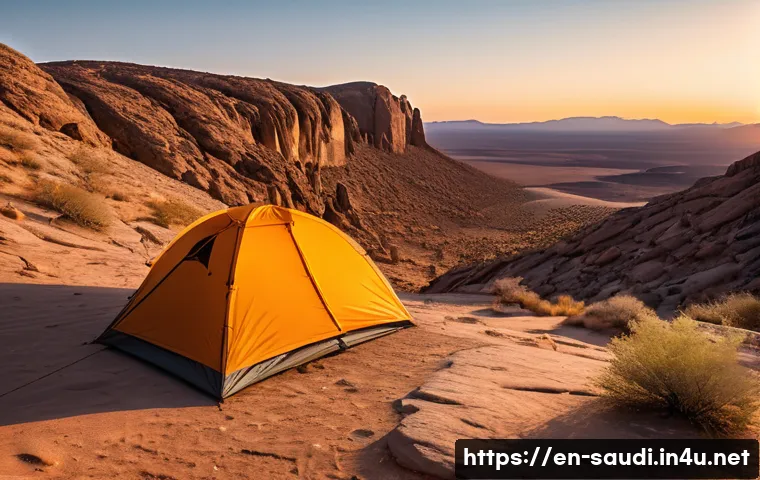
Camping in the desert offers a unique blend of adventure and tranquility, but it also demands careful preparation to ensure safety and comfort. The harsh environment, extreme temperatures, and limited resources mean you can’t just pack like you would for a forest or mountain trip.
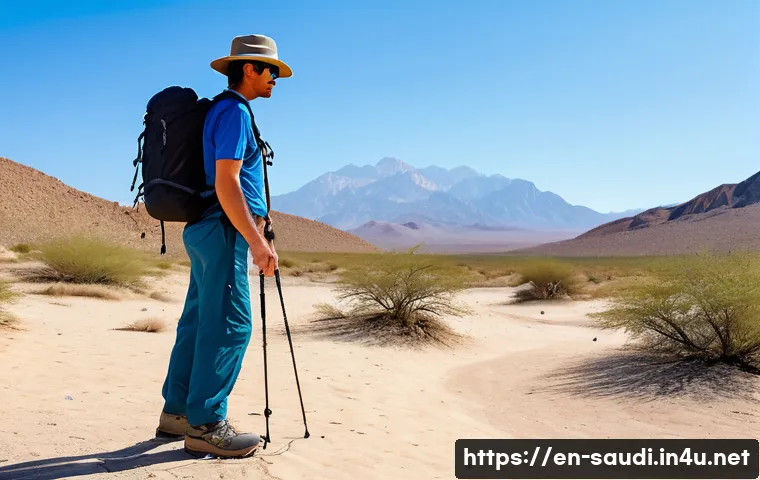
From hydration strategies to sun protection, every item you bring plays a vital role in your desert experience. Overpacking can weigh you down, but underpacking might leave you vulnerable.
Let’s dive into the essential gear and tips that will make your desert camping trip not only enjoyable but truly unforgettable. Get ready to uncover everything you need to know!
Mastering Hydration for Desert Survival
Understanding Your Water Needs
When camping in the desert, water becomes your most precious resource. The dry air and high temperatures cause your body to lose fluids much faster than in other environments.
I’ve found that relying on a general rule like “one gallon per person per day” is a good starting point, but it’s crucial to adjust based on activity level and heat intensity.
For example, if you’re hiking or engaging in strenuous activities, you’ll need to increase your intake significantly. Carrying enough water isn’t just about quenching thirst; it’s about preventing dehydration, heat exhaustion, and serious health issues.
Planning for emergencies by packing extra water can be a lifesaver, especially since desert water sources are rare and often unsafe.
Water Storage and Transport Options
Choosing the right containers for your water is a game-changer. I prefer using durable, BPA-free water jugs combined with collapsible water bladders for backpacking.
The jugs handle large quantities well, while the bladders fit easily in a pack and come with a hose for easy sipping on the go. Insulated bottles can help keep water cooler for longer periods, which is a small comfort that really matters in scorching conditions.
Remember to label your containers clearly and keep them sealed to prevent contamination. Additionally, filtering systems or purification tablets are essential if you plan to use natural water sources as a backup.
Signs of Dehydration to Watch For
Knowing how to recognize dehydration early is critical. When I first started desert camping, I underestimated this and paid the price with headaches and dizziness.
Common symptoms include extreme thirst, dry mouth, dark urine, fatigue, and confusion. If you or your group experience any of these, it’s time to stop activity, rest in the shade, and hydrate immediately.
Severe dehydration can lead to heatstroke, which is a medical emergency. Keeping an eye on each other and staying proactive with water intake can prevent these dangerous situations.
Sun Protection Strategies Beyond Sunscreen
Choosing the Right Clothing
Covering up is your first line of defense against the desert sun. Lightweight, long-sleeved shirts and pants made from breathable fabrics like nylon or polyester are ideal.
I’ve learned that clothing with a UPF rating provides added protection without making you sweat more. Wide-brimmed hats shield your face and neck, while UV-blocking sunglasses protect your eyes from glare and damage.
Layering is key—early mornings and nights can be cool, but midday heat demands full coverage. Avoid cotton as it absorbs sweat and dries slowly, increasing discomfort and risk of chafing.
Timing Your Outdoor Activities
The desert sun peaks between 10 a.m. and 4 p.m., making this window the most dangerous for exposure. I recommend scheduling hikes, setup, and other strenuous tasks either early in the morning or late in the afternoon.
Midday is best reserved for resting in shaded areas or inside your tent if it’s equipped with ventilation. Planning activities around the sun’s intensity not only reduces the risk of sunburn but also conserves your energy and water.
Using a sun tracker app or simply watching local weather reports can help you stay aware of peak UV times.
Additional Sun Safety Tools
Besides sunscreen, I always pack a lip balm with SPF, as lips are often forgotten and prone to cracking. Portable shade structures like pop-up canopies or umbrellas provide a quick cool-down zone when natural shade is unavailable.
Applying aloe vera gel or cooling sprays after sun exposure can soothe skin and prevent peeling. Don’t overlook the power of hydration here either—sunburn depletes moisture from your skin and body, so drinking water helps your skin recover faster.
Essential Shelter Choices for Desert Nights
Picking the Right Tent
Desert nights can be surprisingly cold, so your tent choice matters a lot. I’ve found that tents with good ventilation options prevent condensation buildup while allowing airflow to keep the interior cool during the day.
Lightweight, UV-resistant fabrics extend the lifespan of your shelter and improve comfort. Mesh panels keep insects out but allow breezes in, which is crucial in the desert where temperatures drop sharply after sunset.
A reflective tarp can be used over your tent to deflect heat during the day.
Setting Up Camp for Comfort and Safety
Location selection is critical. Avoid dry riverbeds or low-lying areas that could flood during rare desert rains. Look for natural windbreaks or rock formations to shield your camp from gusts.
Setting up on elevated ground improves airflow and reduces insect presence. When pitching your tent, angle it so the door faces away from prevailing winds.
This reduces sand intrusion and keeps the interior cleaner. Don’t forget to stake your tent securely—desert winds can pick up suddenly and with force.
Sleeping Gear for Temperature Swings
Desert temperatures can swing drastically between day and night. I always carry a sleeping bag rated for cooler temps than I’d expect because the cold can sneak up on you.
A sleeping pad not only cushions your body from the rocky ground but also insulates against cold seeping from the earth. Using a lightweight liner inside your sleeping bag can add warmth without bulk.
Layering your clothing before bed also helps maintain comfort. Bringing earplugs can be a blessing too, as desert nights can sometimes be surprisingly noisy with wildlife.
Practical Navigation and Communication Tools
Reliable Navigation Devices
In the desert, landmarks can be deceiving, and trails may be faint or non-existent. I always bring a GPS device with pre-loaded maps alongside a traditional compass and paper map as backup.
Batteries can drain quickly in extreme heat, so carrying extra power banks and solar chargers is wise. Learning how to use these tools beforehand is essential; there’s no time for fumbling when you’re miles from help.
Additionally, marking your route on your map and noting significant features helps prevent disorientation.
Staying Connected and Safe
Cell phone coverage is often spotty or non-existent in remote desert areas. For safety, I rely on a satellite messenger or personal locator beacon (PLB) that can send SOS signals even when there’s no cell service.
These devices are lifesavers if you encounter emergencies like injury or getting lost. Before heading out, always share your itinerary with a trusted contact and check in regularly when possible.
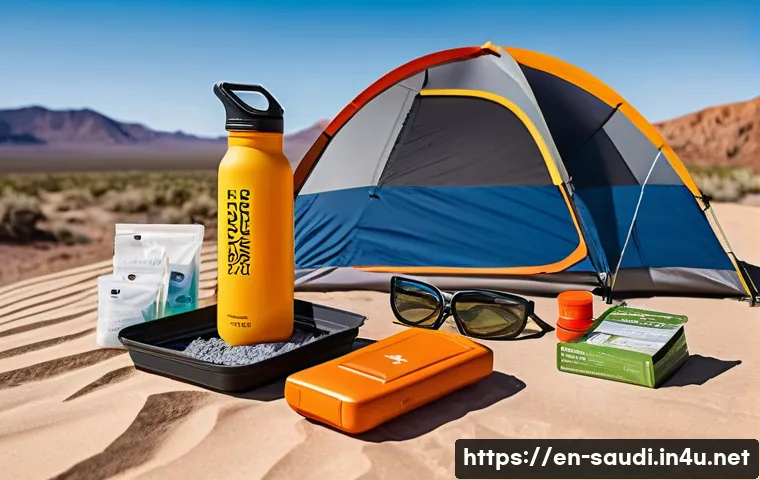
Carrying a whistle and signal mirror adds low-tech options for attracting attention in a pinch.
Emergency Preparedness Tips
Being prepared for unexpected situations is a must. Pack a comprehensive first aid kit tailored for desert hazards like snake bites, heatstroke, and sunburn.
Knowing basic first aid skills is invaluable—I’ve taken courses that taught me how to treat dehydration and heat exhaustion effectively. Carry extra food and water beyond your planned needs, and have a plan for shelter if you must wait for rescue.
Staying calm and conserving energy can make all the difference when waiting for help.
Optimal Food Choices for Energy and Convenience
Lightweight, Nutrient-Dense Foods
Carrying heavy or perishable food in the desert is a recipe for trouble. I prefer packing dehydrated meals, nuts, dried fruits, and energy bars that provide high calories without weight.
These foods are easy to store, don’t spoil quickly, and offer a quick energy boost. Including some salty snacks helps replenish electrolytes lost through sweat.
Avoid greasy or sugary foods that can cause digestive discomfort in harsh conditions.
Meal Planning and Preparation Tips
Planning meals around your activity level and available cooking resources makes a big difference. If you’re using a portable stove, pre-measuring ingredients saves time and fuel.
I’ve found that cooking simple one-pot meals cuts down on cleanup and fuel use. Eating smaller, frequent meals keeps energy steady and prevents sluggishness.
Always pack extra snacks for emergency situations or unexpected delays.
Storing Food Safely
Food storage is crucial to keep critters away and avoid spoilage. I use airtight containers or resealable bags to protect food from moisture and insects.
Hanging food bags from a tree or using a portable food locker is effective in some desert areas to deter rodents and insects. Keep food separate from your sleeping area to reduce wildlife encounters.
Proper food storage not only keeps your supplies safe but also maintains hygiene and comfort.
Comprehensive Desert Camping Gear Checklist
| Category | Item | Purpose | Notes |
|---|---|---|---|
| Hydration | Water jugs, hydration bladders, purification tablets | Ensure sufficient water supply and safe drinking | Carry extra water; treat natural sources |
| Sun Protection | UPF clothing, wide-brim hat, sunscreen SPF 50+ | Prevent sunburn and heat-related illnesses | Reapply sunscreen every 2 hours |
| Shelter | UV-resistant tent, reflective tarp, sleeping bag | Protection from elements, temperature control | Choose ventilated tents; prepare for cold nights |
| Navigation | GPS device, compass, paper map, satellite messenger | Stay on course and communicate in emergencies | Bring extra batteries and power banks |
| Food | Dehydrated meals, energy bars, airtight containers | Maintain energy with lightweight, non-perishable food | Include salty snacks for electrolytes |
| Safety | First aid kit, whistle, signal mirror | Handle emergencies and signal for help | Know basic first aid skills |
Managing Desert Terrain and Wildlife Encounters
Adapting to the Desert Landscape
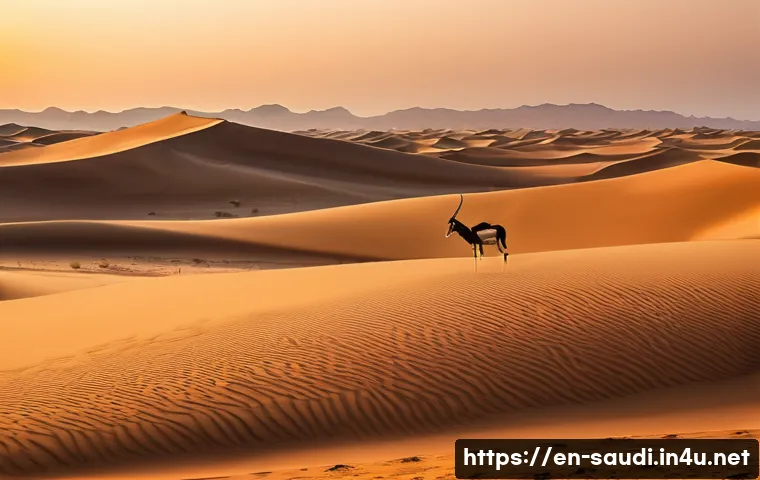
Navigating desert terrain requires a shift in mindset compared to forest or mountain camping. The ground is often uneven with loose sand, sharp rocks, and sparse vegetation.
Wearing sturdy, breathable hiking boots with good ankle support helped me avoid painful sprains and cuts. Using trekking poles provides extra stability on shifting surfaces.
Pay close attention to the ground as snakes and scorpions often hide under rocks or brush. Avoid walking barefoot or sitting directly on the ground without a barrier.
Dealing with Desert Wildlife
Deserts host an array of creatures that can surprise you. I once spotted a rattlesnake just a few feet from my tent, which taught me to always inspect my surroundings carefully.
Keep your campsite clean and store food properly to avoid attracting animals like coyotes or rodents. If you encounter wildlife, maintain a safe distance and never attempt to feed or touch them.
Learning about local species beforehand can help you recognize which animals are dangerous and how to react.
Minimizing Environmental Impact
Respecting the fragile desert ecosystem is vital. Stick to established trails and campsites to reduce soil erosion and damage to native plants. Pack out all trash, including biodegradable items, as decomposition is slow in arid environments.
Avoid disturbing wildlife or removing natural features. Using reusable gear and minimizing fire use helps preserve the landscape for future visitors. Responsible camping ensures the desert’s beauty remains intact for everyone to enjoy.
글을 마치며
Desert camping offers a unique blend of challenge and beauty, demanding careful preparation and respect for the environment. Mastering hydration, sun protection, shelter, navigation, and food choices can transform your experience from risky to rewarding. With the right gear and knowledge, you can enjoy the vast desert landscape safely and comfortably. Remember, staying aware and adaptable is key to thriving in this extreme environment.
알아두면 쓸모 있는 정보
1. Always carry more water than you think you’ll need—dehydration happens faster in desert heat than expected.
2. Dress in lightweight, UPF-rated clothing and cover all exposed skin to prevent sunburn and heat-related illnesses.
3. Choose a tent with good ventilation and prepare for cold nights by layering your sleeping gear.
4. Bring reliable navigation tools and a satellite communication device to stay safe in areas without cell service.
5. Pack nutrient-dense, lightweight foods and store them properly to avoid attracting wildlife and spoiling your supplies.
핵심 포인트 정리
Effective desert camping hinges on thorough preparation—prioritize hydration and sun protection to maintain health under extreme conditions. Selecting proper shelter and clothing helps manage temperature swings and environmental exposure. Reliable navigation and communication devices are essential for safety in remote areas. Finally, mindful food choices and respectful interaction with the desert ecosystem ensure a secure and enjoyable adventure. Staying informed and prepared ultimately makes all the difference in conquering desert challenges.
Frequently Asked Questions (FAQ) 📖
Q: How much water should I bring for desert camping?
A: Staying hydrated is absolutely crucial in the desert, where the dry air and heat can quickly dehydrate you. A good rule of thumb is to carry at least one gallon (about 4 liters) of water per person per day.
If you’re planning on doing any hiking or physical activity, consider increasing that amount. I’ve found that having extra water stashed away saved me from serious discomfort on my last trip when temperatures soared unexpectedly.
Also, bring a reliable water container that’s easy to carry and refill, because access to water sources is often limited.
Q: What kind of sun protection is best for desert camping?
A: The sun in the desert can be brutally intense, so sun protection isn’t just about sunscreen. A broad-spectrum, high SPF sunscreen is essential, but pairing it with physical barriers like a wide-brimmed hat, UV-protective sunglasses, and lightweight, long-sleeved clothing made from breathable fabric really makes a difference.
On my recent trip, I learned that reapplying sunscreen every two hours is key, especially if you’re sweating. Plus, setting up your tent in a shaded area or using a sunshade during the hottest parts of the day can help you avoid overheating.
Q: What gear is absolutely necessary without overpacking for a desert camping trip?
A: Packing smart is a balancing act. Essentials include a sturdy tent that can withstand wind and keep you cool, a sleeping bag suitable for cold desert nights, and a reliable stove for cooking.
Don’t forget a headlamp or flashlight with extra batteries, a first aid kit tailored for heat-related issues, and navigation tools like a GPS or map. I recommend testing your gear before the trip to avoid surprises.
Overpacking can weigh you down and slow you down, but missing key items can turn a fun trip into a stressful one. From experience, focusing on multi-purpose items and prioritizing comfort and safety gear is the best approach.