Saudi Arabia’s natural landscapes are far more diverse and captivating than many realize. From vast deserts to lush oases and rugged mountain ranges, the kingdom’s national parks and nature reserves offer a unique glimpse into its rich ecological heritage.
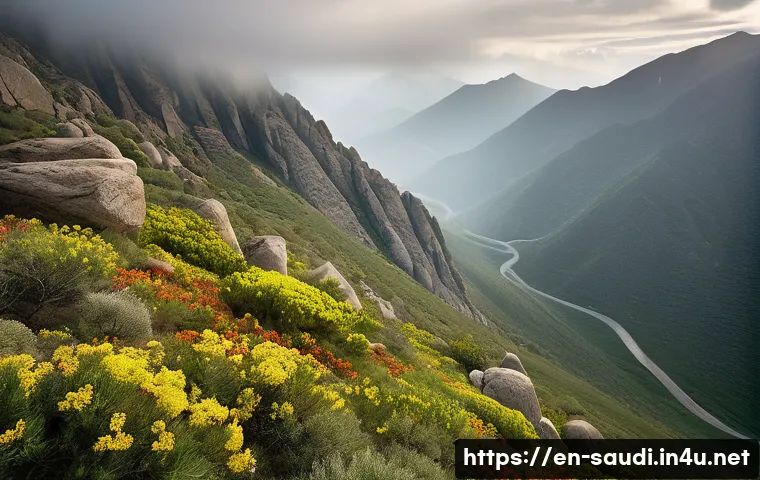
These protected areas serve as vital sanctuaries for rare wildlife and native plants, reflecting a growing commitment to conservation amid rapid development.
Whether you’re an adventurous traveler or a nature enthusiast, exploring these green havens reveals a side of Saudi Arabia that’s both surprising and inspiring.
Let’s dive deeper to uncover the wonders and importance of these remarkable natural treasures!
Exploring Saudi Arabia’s Diverse Ecological Zones
Desert Ecosystems and Their Unique Adaptations
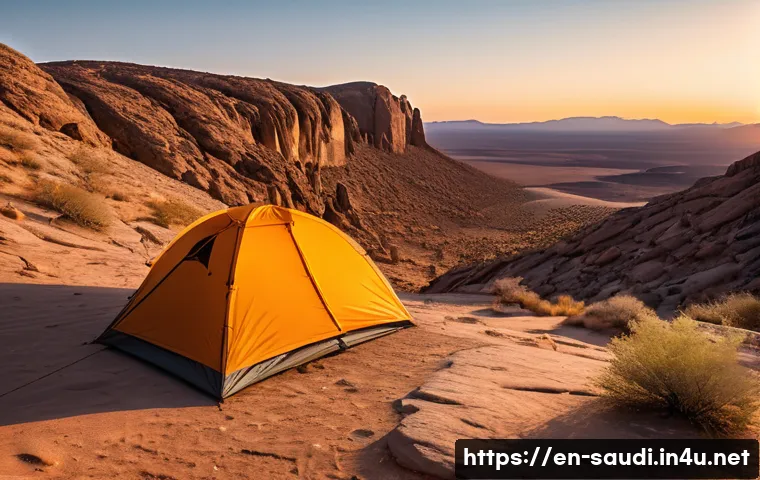
The deserts of Saudi Arabia stretch endlessly, but beneath their barren appearance lies a complex ecosystem teeming with life adapted to extreme conditions.
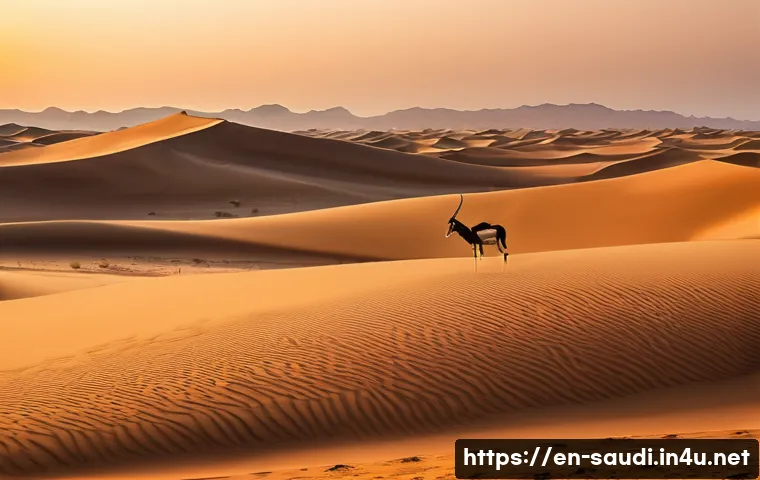
The Rub’ al Khali, or Empty Quarter, is the largest continuous sand desert on Earth, and it hosts specialized flora like the resilient acacia trees and drought-tolerant shrubs.
Animals such as the Arabian oryx and sand gazelle have evolved behaviors and physiologies to survive intense heat and scarce water, like nocturnal activity patterns and efficient water retention.
Walking through these deserts, you can almost feel the pulse of survival instincts honed over millennia, and it’s a humbling reminder of nature’s resilience.
Lush Oases: Nature’s Hidden Sanctuaries
Oases are like emerald jewels scattered across the arid landscape, offering a stark contrast to the surrounding sands. These natural springs create microhabitats that support a wide variety of plant and animal life, including date palms, tamarisks, and migratory birds that rely on these green pockets for rest and nourishment.
I remember visiting one oasis and being struck by the sudden abundance of life—the gentle rustle of leaves, the chirping of birds, and even the cool shade felt like a secret refuge.
Oases not only sustain biodiversity but also serve as vital stopovers for nomadic cultures and travelers throughout history.
Mountain Ranges: The Kingdom’s Elevated Biodiversity
The Asir and Sarawat mountain ranges in southwestern Saudi Arabia present a completely different ecological tapestry. Rising to over 3,000 meters, these mountains capture more rainfall than the deserts, supporting dense juniper forests and rare endemic species.
Hiking through these highlands, you encounter misty landscapes where wildcats, ibex, and a variety of birds thrive. The steep cliffs and deep valleys create natural barriers that have preserved distinct genetic pools, making these areas hotspots for conservation efforts.
It’s fascinating to see such lushness in a country often stereotyped as solely desert.
Conservation Efforts and Wildlife Protection
Protected Areas and Their Role in Safeguarding Biodiversity
Saudi Arabia has made significant strides in establishing protected national parks and nature reserves to conserve its unique ecosystems. These areas act as safe havens for endangered species, like the Arabian leopard and the houbara bustard.
The government’s commitment is evident in ongoing research programs, anti-poaching measures, and habitat restoration projects. From my experience, visiting these reserves provides insight into how active human stewardship can balance ecological preservation with responsible tourism.
Community Involvement and Sustainable Tourism
One of the most inspiring aspects of Saudi Arabia’s conservation approach is the integration of local communities. Traditional knowledge and practices are being harnessed to promote sustainable use of natural resources, ensuring that wildlife habitats remain intact while supporting livelihoods.
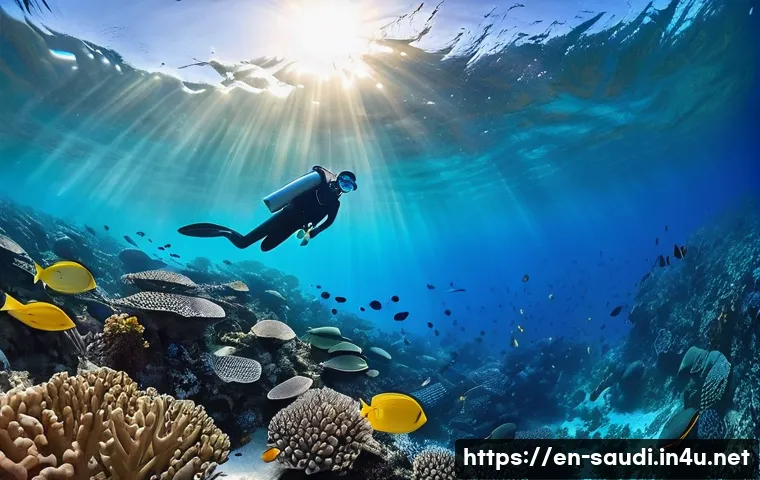
For example, eco-tourism initiatives in places like the Farasan Islands encourage visitors to appreciate marine biodiversity without damaging coral reefs or disturbing nesting sites.
This community-based model fosters a sense of ownership and pride, which I find essential for long-term conservation success.
Challenges in Balancing Development and Ecology
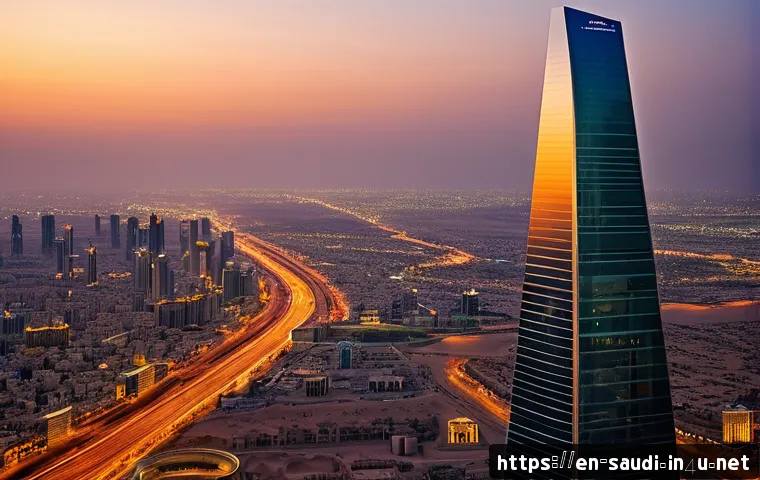
Despite progress, rapid urbanization and infrastructure expansion pose challenges to preserving natural landscapes. Habitat fragmentation and increased human-wildlife conflict require innovative solutions, such as wildlife corridors and environmental impact assessments before construction projects.
I’ve noticed that awareness campaigns and environmental education are becoming more prevalent, which is a hopeful sign that public attitudes are shifting toward valuing nature.
Balancing economic growth with ecological integrity remains a complex but critical task.
Key National Parks and Reserves Worth Visiting
Highlights of the Most Iconic Protected Areas
Saudi Arabia’s parks offer distinct experiences, from desert safaris to mountain treks and coastal explorations. For instance, the Asir National Park is famous for its cool climate and dense forests, ideal for hiking and birdwatching.
The Mahazat as-Sayd Reserve focuses on restoring populations of native ungulates and offers guided tours that showcase conservation success stories. Meanwhile, the Farasan Islands Marine Sanctuary provides snorkeling opportunities amidst vibrant coral reefs and diverse marine life.
Each park is a window into a different facet of Saudi Arabia’s natural heritage.
Seasonal Tips for Visiting Natural Attractions
Timing your visit can greatly enhance the experience. Spring and autumn are generally the best seasons, with milder temperatures and blooming wildflowers in many regions.
For desert areas, early mornings or late afternoons are preferable to avoid extreme heat. The mountain regions, especially Asir, are pleasant year-round but can be chilly in winter, so packing accordingly is key.
Coastal reserves like the Farasan Islands are best visited during the dry season to enjoy calm seas and optimal visibility for underwater activities.
Visitor Facilities and Accessibility
While some parks are well-equipped with visitor centers, picnic spots, and guided tours, others remain more rugged and remote. It’s wise to check in advance about permits, available accommodations, and safety measures.
In my trips, I’ve found that hiring local guides not only enriches the experience through storytelling and expert knowledge but also supports the local economy.
Accessibility is improving, but some sites still require a bit of adventurous spirit and preparation to fully appreciate their untouched beauty.
Flora and Fauna: Saudi Arabia’s Natural Treasures
Rare and Endemic Plant Species
The kingdom’s flora ranges from hardy desert succulents to fragrant wild herbs and towering juniper trees. Plants like the dragon’s blood tree and the desert rose are not only visually striking but also hold cultural and medicinal significance.
During a recent hike, I was amazed by the diversity of wildflowers carpeting the ground, a seasonal spectacle that transforms the landscape. Protecting these species is crucial as they form the foundation of the food web and contribute to ecosystem stability.
Iconic Wildlife and Their Habitats
From the elusive Arabian leopard prowling mountain forests to the graceful sand gazelle bounding across sandy plains, Saudi Arabia hosts an array of wildlife adapted to its diverse habitats.
Birdwatchers can spot rare species like the Arabian partridge and various raptors soaring above cliffs. Marine life, including dolphins and sea turtles, thrive in coastal reserves, highlighting the kingdom’s ecological range.
Observing these animals in their natural settings offers a deep appreciation for the intricate balance of nature.
Conservation Success Stories
There have been encouraging recoveries of species once on the brink of extinction, thanks to captive breeding and reintroduction programs. The Arabian oryx, for example, was extinct in the wild but now roams freely in protected areas.
These success stories are powerful reminders that with dedication and resources, even the most threatened species can rebound. Personally, witnessing these animals thriving gives hope and fuels enthusiasm for continued environmental efforts.
Climate and Environmental Impact on Natural Reserves
Effects of Arid Climate on Ecosystem Dynamics
The harsh climate of Saudi Arabia shapes every aspect of its ecosystems. Scarce rainfall and extreme temperatures create a delicate balance where water availability dictates plant growth and animal behavior.
Seasonal rains can trigger sudden bursts of greenery and animal activity, while prolonged droughts test survival limits. Experiencing these cycles firsthand shows how finely tuned life is to environmental rhythms, emphasizing the need for water conservation and climate resilience strategies.
Human Activities and Their Ecological Footprint
Oil extraction, urban sprawl, and agriculture have altered landscapes and introduced pollution risks to some natural areas. However, increased environmental regulations and technological advances aim to minimize negative impacts.
For instance, solar-powered facilities and waste management improvements in parks reduce ecological footprints. Observing these initiatives in place gives confidence that economic development can proceed with environmental responsibility in mind.
Future Prospects for Climate Adaptation
Saudi Arabia is investing in research and innovation to address climate challenges, including desertification and habitat loss. Projects involving reforestation, water harvesting, and renewable energy integration are underway to bolster ecosystem health.
As someone who has followed these developments, I find the proactive stance encouraging, signaling a future where natural heritage and modern progress coexist more harmoniously.
Overview of Notable Natural Areas in Saudi Arabia
| Protected Area | Location | Key Features | Wildlife Highlights | Visitor Activities |
|---|---|---|---|---|
| Asir National Park | Southwest | Mountain forests, high elevation | Arabian leopard, ibex, diverse birds | Hiking, birdwatching, camping |
| Mahazat as-Sayd Reserve | Central | Desert steppe, wildlife restoration | Arabian oryx, sand gazelle | Guided tours, wildlife observation |
| Farasan Islands Marine Sanctuary | Red Sea Coast | Coral reefs, marine biodiversity | Dolphins, sea turtles, tropical fish | Snorkeling, diving, eco-tourism |
| Rub’ al Khali (Empty Quarter) | Southern Desert | Vast sand dunes, extreme desert | Desert fox, sand gazelle | Desert safaris, cultural tours |
| Huraymila Reserve | Near Riyadh | Mountainous terrain, forests | Arabian wolf, striped hyena | Wildlife watching, trekking |
In Closing
Saudi Arabia’s natural landscapes offer a remarkable blend of diverse ecosystems, from arid deserts to lush mountains and vibrant marine sanctuaries. Exploring these areas reveals not only the resilience of wildlife but also the country’s growing commitment to conservation and sustainable tourism. Whether you’re a nature enthusiast or a curious traveler, the Kingdom’s ecological treasures provide unforgettable experiences that deepen appreciation for the environment.
Useful Information to Keep in Mind
1. The best times to visit Saudi Arabia’s natural parks are spring and autumn, when temperatures are mild and wildlife is most active.
2. Hiring local guides can greatly enhance your visit by providing expert knowledge and supporting community-based conservation efforts.
3. Some protected areas require permits or have limited facilities, so planning ahead is essential for a smooth experience.
4. Sustainable tourism practices are encouraged to minimize environmental impact and help preserve fragile ecosystems.
5. Be prepared for varying climates—desert heat, mountain chill, and coastal humidity—by packing appropriate clothing and gear.
Key Takeaways
Saudi Arabia’s diverse ecological zones showcase unique plant and animal life adapted to extreme environments, highlighting the importance of ongoing conservation efforts. The balance between development and environmental protection remains a challenge, but community involvement and government initiatives are paving the way for sustainable coexistence. Visitors can enjoy a range of activities across well-preserved national parks, all while contributing to the protection of the Kingdom’s natural heritage. Understanding seasonal patterns and respecting local guidelines ensures a rewarding and responsible nature experience.
Frequently Asked Questions (FAQ) 📖
Q: What are some of the must-visit natural parks and reserves in Saudi
A: rabia? A1: If you’re planning to explore Saudi Arabia’s natural wonders, don’t miss the Asir National Park with its stunning mountain landscapes and rich biodiversity.
The Farasan Islands Marine Sanctuary offers incredible opportunities for snorkeling and spotting rare marine life. For desert lovers, the vast Empty Quarter (Rub’ al Khali) presents an awe-inspiring experience with endless sand dunes.
Each of these parks showcases a different facet of the kingdom’s ecological richness, making them perfect for nature enthusiasts and adventure seekers alike.
Q: How accessible are these natural areas for tourists, and what should visitors expect?
A: Accessibility varies depending on the location, but many of Saudi Arabia’s national parks and reserves have become more tourist-friendly in recent years.
Some parks, like Al Ula, have well-developed visitor facilities, guided tours, and marked trails, making it easier to explore safely and comfortably. However, more remote areas, such as parts of the Empty Quarter, might require special permits and guided excursions.
Visitors should prepare for diverse climates—ranging from scorching desert heat to cooler mountainous regions—and bring appropriate gear. Booking in advance and connecting with local guides can greatly enhance the experience.
Q: Why is conservation important in Saudi
A: rabia’s natural landscapes? A3: Conservation in Saudi Arabia is crucial because rapid urbanization and industrial growth pose threats to fragile ecosystems and native wildlife.
Protected areas serve as safe havens for endangered species like the Arabian leopard and various rare plants that can’t be found elsewhere. Personally, I’ve seen how these efforts help maintain the balance between development and nature, preserving the country’s unique heritage for future generations.
By supporting conservation, visitors not only enjoy pristine environments but also contribute to the ongoing protection of these irreplaceable natural treasures.