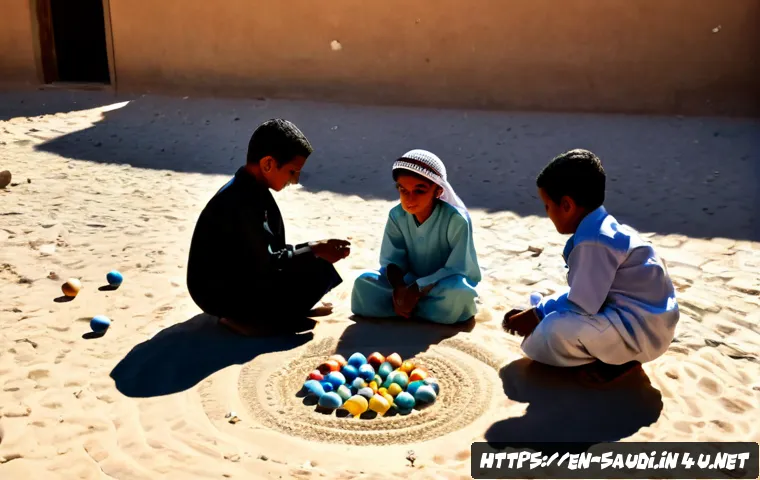
Traditional play in Saudi Arabia is best understood as a mix of movement, social learning, storytelling, and family or neighborhood connection—not as one fixed list of games.
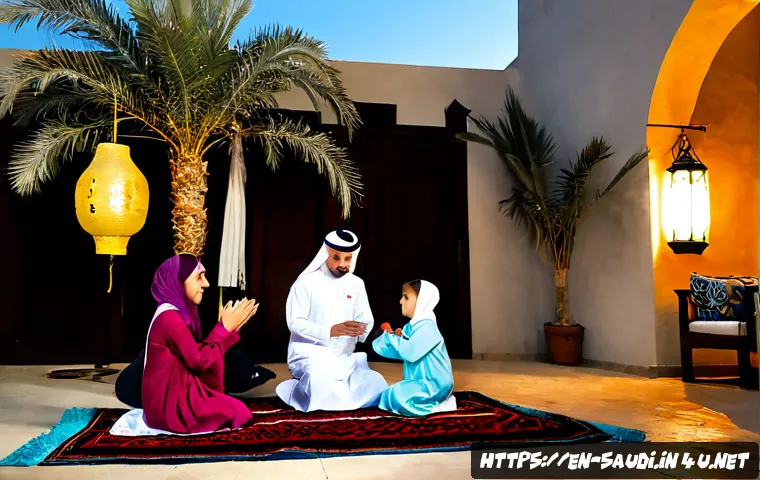
For home use, simple movement and storytelling activities work well; for schools, structured group activities add discussion; and for travel, supervised heritage programs can provide more cultural context.
Many games were passed down informally and used accessible materials such as stones, strings, cloth, sticks, or handmade objects. Names, rules, and meanings may differ across regions, families, and generations.
That is why parents and educators should treat cultural activities as learning opportunities rather than assume every version is historically universal.
When choosing a workshop, museum program, or guided family experience, compare supervision, language support, age suitability, and practical booking terms.
At a Glance
- Traditional children’s play in Saudi Arabia often connects movement, peer interaction, family learning, and local gathering places.
- Games involving chasing, hiding, jumping, clapping, songs, stories, and simple objects may share broad similarities with play in other cultures.
- For respectful cultural learning, check regional context, child safety, supervision, and whether the activity provider explains what is verified and what is adapted.
| Activity Option | Cost Level | Preparation Time | Cultural Guidance | Best Fit |
|---|---|---|---|---|
| Self-guided home or classroom play | Usually low | More preparation by the adult | Depends on the resources used | Flexible family time, classroom discussion, short activities |
| Educational activity kits or learning resources | Varies by provider | Often reduced if materials are included | Depends on the source and explanation provided | Parents and educators who want a ready-to-use format |
| Museum or heritage-center program | Varies by venue | Less setup, but fixed schedules may apply | Often stronger institutional context | Visitors seeking interpretation alongside activities |
| Guided heritage workshop or family tour | Variable | Low personal setup, booking required | Can offer direct explanation and interaction | Families, school groups, and cultural travelers |
What Traditional Play Can Reveal About Childhood in Saudi Arabia
The Short Answer: Play as Social Learning, Movement, and Community Connection
Traditional play can offer a useful window into how children learn with and from one another. In Saudi Arabia, as in many places, children’s activities have often been shared informally through families, neighbors, and peer groups. A game may involve running, taking turns, following a rhythm, making up a story, or using a small object available nearby.
The important point is not to search for one “official” Saudi game. Instead, look at what play can do: encourage movement, support social interaction, create moments of imagination, and connect children with songs, rhymes, stories, and family gatherings. These are useful themes for a family activity, cultural education lesson, or heritage workshop.
Why Regional and Family Differences Matter
Saudi Arabia includes diverse regional traditions. Climate, available space, daily routines, and community gathering places have all shaped outdoor play in different ways. A game remembered by one family may have a different name, rule, rhythm, or meaning in another community.
For that reason, a respectful program should use careful language. It is better to say that an activity is inspired by traditional forms of play or presented as a local memory when the precise history is not verified. Parents, teachers, and travel organizers should welcome local explanation rather than expect every cultural experience to follow a single standard format.
Avoiding the Mistake of Treating One Game as Representative of All Saudi Children
A single activity cannot represent every Saudi child, region, generation, or family. This matters especially when choosing classroom resources, educational activity kits, or guided cultural workshops. An engaging demonstration can still be valuable, but it should not be presented as proof that all children historically played in the same way.
Good cultural interpretation separates broad childhood patterns from specific local traditions. Ask whether the facilitator identifies the regional context, explains where the activity description comes from, or openly notes when rules have been adapted for modern participants.
Common Forms of Traditional Children’s Play and Their Cultural Role
Running, Chasing, and Hiding Games in Shared Outdoor Spaces
Running, chasing, hiding, and jumping games appear in many cultures. In Saudi settings, outdoor play has historically been shaped by local weather, available open space, routines, and the places where communities gathered. The exact format of a game may vary, but the social purpose is easy to recognize: children move, negotiate turns, set boundaries, and play together.
For a modern family activity, keep the emphasis on safe movement and cooperation. Use a clearly defined play area, agree on simple stopping rules, and choose a pace that suits the age and mobility of the group. Avoid assuming that a familiar chasing game has one historically verified Saudi version unless a reliable local source explains it.
Hand-Clapping, Singing, and Rhythm-Based Group Activities
Clapping games, songs, and rhymes can make play more social and easier to organize in a small space. They also show how language, rhythm, memory, and group participation can meet in children’s culture. At family gatherings, storytelling, songs, and rhymes may form part of cultural learning alongside games themselves.
For teachers, this format can work well as a short opening or closing activity. Children can clap a simple pattern, take turns leading a rhythm, or discuss how songs and rhymes help people remember instructions. If using Arabic-language material, check that the wording, pronunciation, and cultural context have been reviewed by an appropriate local source or educator.
Simple-Object Games Using Stones, Strings, Cloth, or Handmade Toys
Many traditional games use accessible materials. Stones, strings, cloth, sticks, and simple handmade objects can support counting, sorting, target play, imaginative play, or turn-taking. Their value is not necessarily the object itself; it is the creativity involved in turning ordinary materials into shared play.
Modern activity planning should prioritize clean, safe, age-appropriate materials. Replace sharp sticks, very small loose pieces, or rough objects with safer alternatives when needed. A cultural activity does not become less meaningful because it uses adapted materials. Clear explanation is more respectful than copying an older material without considering present-day safety.
Storytelling and Imaginative Play at Family Gatherings
Storytelling and imaginative play can be especially useful for children who prefer quieter activities or need a break from active games. A family gathering may create space for older relatives, parents, and children to share stories, songs, and memories. This supports cultural learning without requiring a claim that one particular story or game is universal.
A simple approach is to invite children to create a short scene around a gathering place, a handmade object, or a made-up character. Adults can ask open questions: What rules would make this game fair? How would different children join? What story would you tell before or after the game? The goal is participation, not historical reenactment.
Comparing Heritage Activity Options for Families and Educators
Self-Led Home or Classroom Activities: Low Cost, More Preparation
Self-led activities offer the greatest flexibility. A parent or teacher can combine a short movement game, a rhythm exercise, and a storytelling prompt with materials already available. This format works well when time is limited or when a group needs to adapt the activity for different ages and abilities.
The trade-off is preparation. Adults need to set clear rules, choose safe materials, and avoid presenting unverified details as fact. Educational resources can help, but check whether they distinguish between broad play traditions and claims about a specific Saudi region or community.
Museum and Heritage-Center Programs: Stronger Context, Fixed Schedules
Museums and heritage centers may present traditional games as cultural-learning activities. Their main advantage is context: an exhibit, guide, or educational program may help visitors connect play with family life, storytelling, local environments, and material culture.
Before planning a visit, check the program schedule, age guidance, language options, accessibility information, and whether activities require advance registration. A museum program may be a stronger choice when verified interpretation matters more than complete flexibility.
Guided Cultural Workshops: More Interaction, Variable Pricing and Quality
A guided heritage workshop can offer direct interaction, demonstrations, and time for questions. This can be helpful for family travel, school groups, or visitors who want local explanation rather than a self-guided activity. However, workshop format, quality, pricing, and safeguarding practices can vary between providers.
Compare the facilitator’s background, the size of the group, the level of supervision, and the language used during the session. Look for a description that explains what children will actually do, how long the activity lasts, and whether adults are expected to participate. Do not assume a “heritage” label alone guarantees historical accuracy or child-friendly delivery.
What to Compare Before Booking: Facilitator Background, Language, Age Range, and Accessibility
Before booking a guided tour, cultural workshop, or museum program, focus on practical questions. Is the activity suitable for the child’s age? Is there language support for the group? Are mobility needs considered? How many participants will be present, and who supervises children during active play?
Also ask how the provider handles changes to a schedule or booking. Cancellation terms, meeting instructions, weather plans, and adult-to-child participation expectations can shape the experience as much as the activity itself. These details are especially important for school trips and multi-family groups.
How to Adapt Traditional-Style Games Safely and Respectfully
Choose Rules That Match the Children’s Age, Space, and Mobility Needs
Adaptation starts with the children in front of you. A small indoor group may need a seated rhythm activity instead of a running game. A mixed-age family group may need shorter turns, visible boundaries, and options for children who prefer to observe before joining.
Use rules that are easy to explain and stop. State where children may move, what objects may be handled, and how a participant can opt out. Inclusive participation is usually more valuable than trying to preserve an unverified rule exactly as someone remembers it.
Use Safe, Clean Materials Instead of Copying Old Materials Without Adjustment
Simple materials can be effective, but they should fit the setting. Cloth pieces, large soft markers, paper cards, or clean objects can replace materials that are unsuitable for young children or indoor spaces. For a classroom, choose items that are easy to count, collect, and store.

Do a quick safety check before beginning: remove tripping hazards, leave enough room between participants, and make sure objects are appropriate for the group. If a heritage activity includes handmade toys or object-based play, ask the provider what materials children will use and whether adults will supervise closely.
Explain Cultural Context Without Presenting Assumptions as Historical Fact
A respectful introduction can be brief: “Children in Saudi Arabia, like children in many places, have played games involving movement, rhythms, stories, and simple materials. The names and rules may vary by region and family.” This gives children useful context without making claims that cannot be verified.
In a lesson plan, separate known context from creative adaptation. For example, a teacher may say that the group is using a modern version designed for the classroom. That honesty builds trust and creates room for real cultural curiosity.
Ask Local Hosts or Educators When a Game’s Name, Rules, or Origins Are Unclear
If a particular game is described as regional, historical, or traditional, ask who provided the information and whether it is connected to a specific community. Local hosts, cultural educators, museum staff, and community program leaders may offer useful clarification.
When answers are uncertain, keep the description modest. It is fine to enjoy a traditional-style activity without assigning it an exact origin. This approach is better than repeating an attractive but unsupported claim in a school handout, family itinerary, or travel review.
Planning by Setting: Home, School, Museum, or Family Trip
At Home: Short, Low-Prep Movement and Storytelling Activities
At home, keep the activity short and relaxed. One movement game, one clapping pattern, or one story prompt may be enough. Use household-safe materials and let children help decide the rules. This makes the activity feel shared rather than instructional.
A useful home format is: move, pause, tell, and reflect. Children can move through a simple game, pause for a rhythm activity, tell a short imaginative story, and reflect on how rules helped everyone join.
In Classrooms: Group Roles, Discussion Prompts, and Inclusive Participation
In classrooms, assign simple roles such as rule reader, timekeeper, materials helper, or storyteller. This reduces confusion and gives children different ways to participate. Follow the activity with questions about how games travel through families and communities, and why rules might change across regions.
Educational activity kits can be useful when they include clear instructions, suitable materials, and cultural background. Still, teachers should review the content carefully and avoid using broad claims as if they apply to every Saudi community.
During Travel: Selecting Supervised, Family-Friendly Heritage Experiences
For cultural travel, a museum program or guided heritage session may be easier than organizing an activity independently. Look for family-friendly descriptions that state the intended age range, the activity format, language support, and supervision arrangements.
When comparing tours or workshops, prioritize clear information over promotional language. A provider should make it understandable whether children will be watching, joining games, handling materials, or moving outdoors. Check the official activity page for current schedules, attendance requirements, and booking conditions.
For Community Events: Space, Weather, Consent, and Safeguarding Considerations
Community events require more planning because the group may be larger and less familiar with one another. Plan the play area, consider weather and shade where relevant, explain consent-based participation, and ensure children know where to find a responsible adult.
For organizers, cultural respect and safeguarding should work together. Do not pressure children to perform, sing, or join a game. Offer quiet alternatives, explain the purpose of the activity, and keep the focus on shared learning rather than spectacle.
Selection Criteria and Comparison Summary
Choose Self-Guided Activities When Flexibility and Low Cost Matter Most
Self-guided activities suit families and educators who need control over timing, group size, materials, and pace. They work best when an adult is ready to prepare the space and present the activity as a respectful adaptation rather than a fixed historical reconstruction.
Choose Museum Programs When Verified Interpretation Is the Priority
A museum or heritage-center program may be the better option when cultural interpretation is the main goal. Check whether the program explains regional context, offers suitable language support, and provides a format that matches the children’s attention span and mobility needs.
Choose Guided Workshops When Interaction and Local Explanation Justify the Fee
Guided heritage workshops can add value when the facilitator provides meaningful explanation, manages the group well, and offers an interactive experience that would be difficult to create independently. Compare what is included, the expected group size, supervision, and practical booking terms before deciding.
Selection Criteria and Comparison Summary
Use this short checklist before choosing a family cultural activity, educational resource, museum program, or guided workshop:
- Age suitability: Is the activity clearly designed for the children attending?
- Language support: Will children and accompanying adults understand the instructions and cultural explanation?
- Group size and supervision: Is there enough guidance for active play or object-based activities?
- Cultural context: Does the provider distinguish local knowledge from modern adaptation?
- Accessibility and logistics: Are the venue, activity level, timing, and materials appropriate for the group?
- Booking terms: Are schedule changes, cancellation conditions, and participation requirements clear?
For a workshop, museum visit, or guided heritage experience, check the official activity page for age guidance, language details, supervision information, and current booking conditions.
In Closing
Traditional play offers a practical way to explore children’s culture in Saudi Arabia with curiosity and care. The strongest activities do not depend on claiming one universal game or rule. They combine movement, stories, simple materials, and respectful explanation. Whether you plan a home activity, a classroom lesson, or a family cultural outing, clear context and child-friendly planning make the experience more useful.
Useful Things to Know
1. A simple game can still be culturally meaningful when its limits are explained honestly.
2. Regional and family variation is part of the subject, not a problem to erase.
3. Songs, rhymes, storytelling, and handmade objects can support learning alongside active games.
4. A well-run cultural program should make practical details easy to understand before booking.
Important Notes
Individual game names, original rules, regional distribution, and historical participation patterns require verification from appropriate local cultural sources. Modern demonstrations, workshops, and reenactments may adapt older practices for present-day audiences. Availability, pricing, quality, accessibility, and safeguarding standards vary by provider and should be confirmed directly before attending or booking.
Frequently Asked Questions
Q1. What are traditional children’s games in Saudi Arabia?
A1. Traditional children’s play in Saudi Arabia can include forms of chasing, hiding, jumping, clapping, singing, storytelling, and object-based play using simple materials. Specific names, rules, and local meanings can vary by region, family, and generation, so no single list represents every community.
Q2. Are Saudi heritage game workshops suitable for young children and school groups?
A2. They may be suitable when the provider clearly states the age range, supervision approach, activity level, language support, and accessibility details. For young children and school groups, ask how materials are handled, how active play is managed, and whether adults are expected to participate.
Q3. How should families compare the cost and quality of cultural activities in Saudi Arabia?
A3. Compare the activity format, cultural explanation, facilitator background, group size, supervision, language support, accessibility, and booking terms. A self-guided activity may offer flexibility, while a museum program may offer stronger context and a guided workshop may offer more interaction. Confirm current prices, availability, and cancellation conditions directly with the provider.