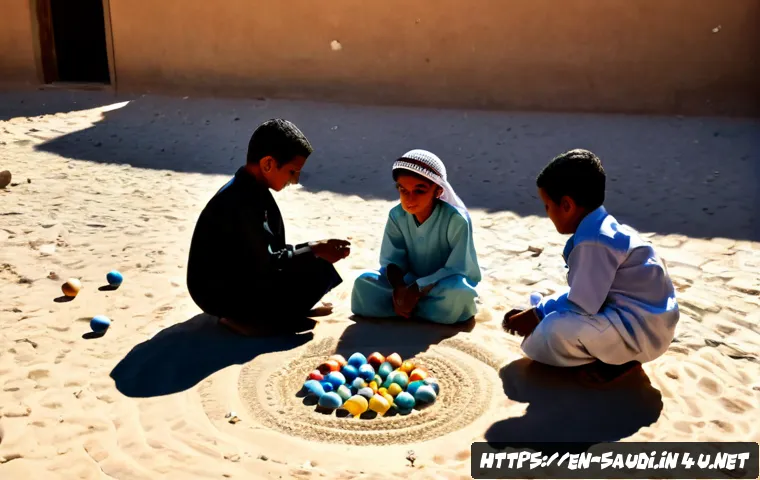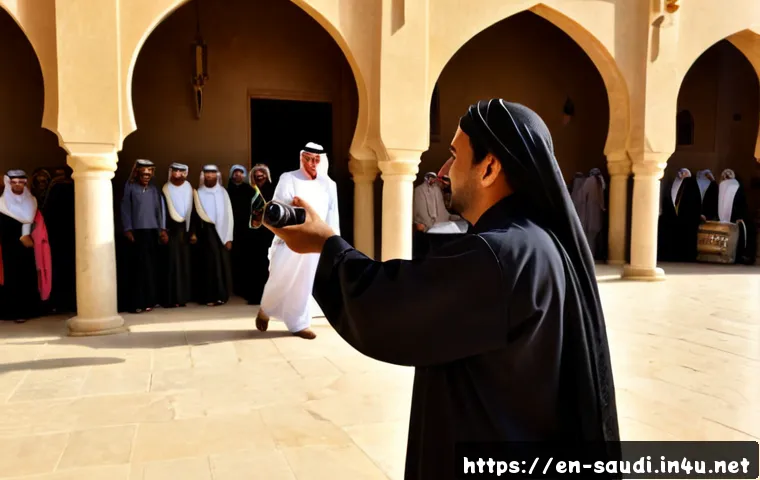
Personal travel photos in Saudi Arabia are generally lower-risk when you stay discreet, respect privacy, and ask before photographing identifiable people.
Advance confirmation is essential for sensitive locations, religious settings, commercial work, drones, large crews, and any venue with its own photography rules.
A public setting is not automatically a free-to-film setting, so pause when security, worship, family privacy, or access control is involved. For a simple trip, a phone or small camera and a low-profile approach may be enough.
A local guide, camera equipment rental, or production support can be worth considering when language, access planning, or business use adds complexity.
At a Glance
- Personal travel photos: Keep them low-profile, avoid sensitive subjects, and ask before taking close or identifiable portraits.
- Locations matter: Confirm photography rules for mosques, airports, government-related areas, transport hubs, events, and private venues.
- Commercial and drone work: Treat paid content, brand campaigns, crews, and aerial filming as separate planning questions.
| Option | Best For | Planning Effort | Key Check |
|---|---|---|---|
| Independent photography | Simple personal travel documentation | Lower | Venue rules, consent, and a discreet approach |
| Local guide or photography tour | Cultural context, language support, and route planning | Moderate | What access, guidance, and photography help are actually included |
| Production or permit support | Commercial shoots, crews, paid campaigns, restricted venues, or complex logistics | Higher | Current requirements, venue approval, and the scope of support |
The Short Answer: Photograph Respectfully, Ask Before Shooting People, and Check Sensitive Locations
The fastest low-risk rule for tourists and business visitors
The simplest approach is to photograph places, objects, and your own travel experience without making strangers the focus. If a person is recognizable, especially in a close portrait, ask first. A brief, polite request is often better than assuming a quick phone photo will be welcome. When communication is difficult, choosing a wider scene with no identifiable faces is the safer option.
Why a public place does not always mean unrestricted photography
Being in public does not remove privacy expectations or venue controls. A market, hotel, museum, transport area, event space, or business may have its own rules. Security-sensitive surroundings can require extra caution as well. If signs, staff, guards, or organizers indicate that filming is not welcome, stop and ask rather than debating the point.
What to do if someone asks not to be photographed
Respond calmly and respectfully. Lower the camera, avoid repeating the shot, and delete the image if appropriate to the situation. Do not argue that the image was taken in public. The practical travel goal is to avoid unnecessary friction, protect privacy, and continue your visit without creating a problem.
Personal Photos, Street Portraits, Commercial Shoots, and Drones: What Changes?
Personal travel photography versus content created for a business
A personal holiday image and content made for a business do not carry the same planning questions. Photos intended for a company website, paid influencer campaign, advertisement, product promotion, or client deliverable may need additional venue, permission, or production checks. Be clear about your intended use before you arrive, especially if people, recognizable businesses, or controlled locations will appear in the final content.
When a brand campaign, paid shoot, or large crew needs extra planning
A larger setup can attract attention even when the subject seems ordinary. Multiple cameras, lighting, tripods, models, staff, or repeated takes can affect foot traffic and venue operations. Contact the venue in advance and describe the shoot plainly. If local coordination is needed, a fixer, local guide, or commercial production service may help you understand what to confirm before committing equipment or travel time.
Why drone filming should be treated as a separate compliance question
Do not assume that permission to take ground photos also covers aerial footage. Drone use involves separate considerations, including where you plan to fly, what you may capture, and whether approval is needed. Check current requirements for the precise location and intended use before bringing, renting, or launching a drone.
A Practical Comparison: Travel Independently, Book a Local Guide, or Arrange Production Support
Independent photography: best for low-profile travel documentation
Independent shooting suits travelers who want casual images of landscapes, architecture where allowed, food, companions, and general trip moments. Keep camera equipment compact, avoid obstructing walkways, and be ready to put the camera away. A small camera or phone may be more practical than a highly visible setup for ordinary sightseeing.
Local guide or photography tour: useful for cultural context and access planning
A private local guide or photography-focused tour can be useful when you want help with timing, language, respectful behavior, and route choices. Ask whether the guide provides cultural context only or has confirmed access arrangements. A guide should not be treated as a substitute for venue-specific permission where it is required.
Fixer, permit support, or production service: when the added cost may be justified
Professional support can make sense for commercial photography, a paid campaign, a crew, specialized gear, or a location that requires advance coordination. Compare services by scope rather than promises. Useful questions include who contacts the venue, whether written confirmation is provided, what is excluded, and what happens if conditions change.
Questions to ask before paying for any photography-related service
Ask whether the service is designed for personal travel or commercial content. Confirm the planned locations, group size, equipment limits, timing, and cancellation terms. If you need a camera equipment rental, check what gear is included and whether it fits your shooting plan. For any permit-related service, ask what still needs confirmation from the venue or relevant authority.
Places and Situations That Require Extra Caution
Mosques, religious sites, and prayer times
Religious settings call for a quieter, more observant approach. Entry expectations, dress standards, visitor access, and photography policies can differ by site and can change. Do not interrupt worship, block entrances, or treat a sacred space as a backdrop. Confirm the current visitor rules before arrival and follow staff directions immediately.
Government buildings, security areas, airports, and transport infrastructure
Use extra care around government-related buildings, checkpoints, security areas, airports, and transport infrastructure. Do not guess whether photography is permitted. If you are unsure, keep the camera down and seek guidance from authorized staff or the venue directly.
Markets, family spaces, private businesses, and events
Busy markets and public events can be visually appealing, but they may also include people who do not wish to be recorded. Private businesses may welcome a quick photo or may prefer that you ask first. At events, organizers can set their own filming rules. A respectful request is especially important when your image focuses on a vendor, a family group, or a private activity.
Photographing women, children, and strangers respectfully
Do not treat people as scenery. Ask before taking close portraits, and accept “no” without pressure. Be particularly careful with women, children, and family groups. When consent is unclear, choose a non-identifying composition, photograph from a respectful distance only where appropriate, or skip the image entirely.
A Pre-Trip Checklist for Cameras, Phones, and Social Posting
Check venue rules before arrival
For every planned stop, check whether it is a public attraction, private venue, religious site, event space, or controlled facility. Contact the venue when photography matters to your itinerary. This is more efficient than arriving with a full setup and discovering that filming is restricted.
Carry gear discreetly and avoid blocking pathways
Use only the equipment you need. Keep bags secure, avoid setting up where people need to pass, and do not create a crowd around a shoot. If you are considering camera rental, select equipment that supports your plan without turning a simple travel day into an oversized production.
Get clear consent for close portraits and identifiable individuals
Consent is clearest when it is requested before the image is made. Explain briefly what you want to photograph and, if relevant, whether you plan to post it. For business content, do not assume a casual verbal exchange resolves every commercial-use question; confirm the necessary arrangements for your project.
Review images before posting location details or recognizable faces
Before sharing, review the frame for identifiable people, private moments, sensitive surroundings, and location details that may not be appropriate to publish. Posting is a separate decision from taking the photo. If you are uncertain, do not post until you have clarified the issue.
Choosing a Guide, Rental, or Permit Support: A Decision Summary
Choose independent travel photography when your plan is simple, personal, and low-profile. Consider a local guide when cultural context, language support, or route planning would make you more comfortable. Seek professional production support when the project involves commercial use, a paid campaign, a crew, a controlled venue, specialized equipment, or aerial footage. Before choosing any service, compare the intended use, locations, approvals still needed, equipment needs, and what the provider will actually coordinate. For current conditions and detailed terms, check the relevant venue, guide, rental provider, or production-support page directly.
Closing Thoughts
Thoughtful photography in Saudi Arabia starts with restraint, not with the biggest camera setup. Keep personal images simple, ask before focusing on people, and treat sensitive or controlled locations as a reason to pause and verify. Planning ahead is especially valuable when your content has a commercial purpose. When in doubt, choosing not to take the shot is often the easiest respectful decision.
Useful Things to Know
1. A local guide can offer context, but venue rules should still be confirmed.
2. A camera rental should match your itinerary and remain practical for discreet travel.
3. Travel insurance may be worth reviewing for your overall trip and equipment needs, but coverage details depend on the policy.
4. Drone filming should be planned separately from ordinary phone or camera photography.
Important Notes
Photography policies can differ by location, event, venue, and time of visit. This guide does not confirm whether photography is allowed at any specific mosque, airport, government-related site, transport hub, event, private business, or other location. Commercial shoots, paid influencer work, large productions, and drone flights may require additional confirmation. Always check the current rules with the relevant venue or authorized source before shooting.
Frequently Asked Questions
Q1. Is it safe for tourists to take photos in Saudi Arabia?
A1. Personal travel photography can be approached more safely when it is discreet, respectful, and focused away from sensitive locations or identifiable strangers. Check local and venue-specific rules, ask before close portraits, and stop if staff or individuals object.
Q2. Do I need permission to photograph people in Saudi Arabia?
A2. Asking first is the respectful low-risk approach for close portraits and identifiable people. This is particularly important for women, children, family groups, and anyone in a private or sensitive setting. If consent is unclear, avoid the image or make people unidentifiable.
Q3. When is a local guide or photography permit service worth the cost?
A3. A local guide may be useful for cultural context, language assistance, and itinerary planning. Permit or production support may be more suitable for commercial content, paid campaigns, crews, restricted venues, or drone-related projects. Compare providers based on the exact locations, intended use, coordination scope, and current confirmation they can provide.